
Five unusual facts about dogs
1. No two dogs have the same nose. The tip of a dog's nose is the equivalent of a human fingerprint: each one is unique, with its own distinctive "ridges". 2. A dog's sense of smell is incomparably better than a human's. The human nose has on average 5 million scent receptors, while the nose of a Dachshund, for example, has as many as 125 million. The centre of their brain responsible for
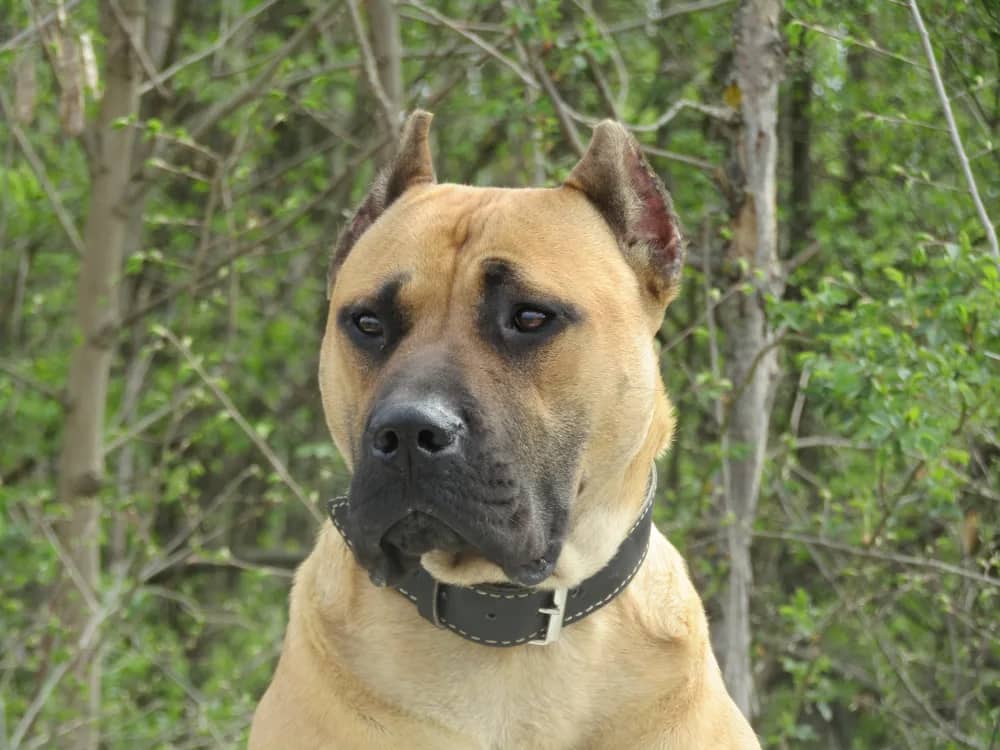
1. No two dogs have the same nose. The tip of a dog's nose is the equivalent of a human fingerprint: each one is unique, with its own distinctive "ridges".
2. A dog's sense of smell is incomparably better than a human's. The human nose has on average 5 million scent receptors, while the nose of a Dachshund, for example, has as many as 125 million. The centre of their brain responsible for smell is 40 times larger than ours.
3. Tail wagging is not always a sign of a good mood. From an early age we were taught that a dog is happy to see us if it wags its tail. That may or may not be the case. Experts have found that wagging the tail to the right usually means the dog is happy, while wagging to the left reveals that the dog is frightened. If it wags its tail low, that most often means it feels insecure and somewhat threatened. Extremely fast tail wagging accompanied by tensed muscles and dilated pupils can signal an aggressive mood.
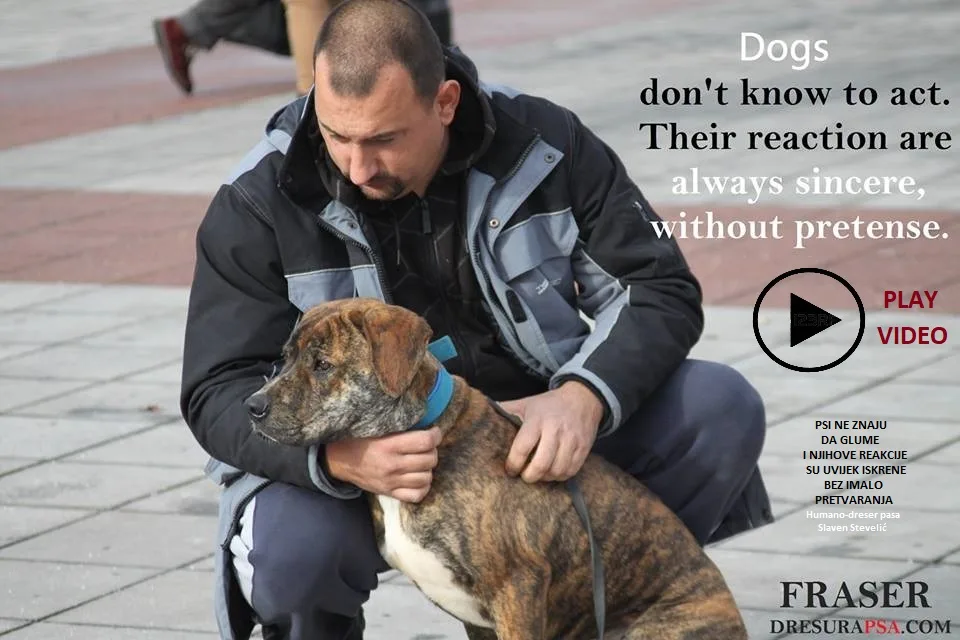
4. Dogs have a sixth sense for trouble. In one large survey, as many as 76 percent of dog owners confirmed that their pets behave strangely before a big storm, and 50 percent said their dogs sense trouble, bad situations and even illness in advance. In such situations dogs most often whimper uncontrollably, try to hide or find a safe place, refuse to be separated from their owner, or try to move the owner away from where they are.
5. Dogs dream, just like people. Have you noticed your pet twitching in its sleep? That most likely means it is dreaming. Researchers have found that dogs and humans have a similar sleep pattern and similar brain activity during sleep. They have also established that smaller breeds of dog dream much more often than large dogs.
Comments
No comments yet. Be the first.