
Dog training: the first commands
DOG TRAINING: THE FIRST COMMANDS The question usually asked is when a dog can start training. The My Dog animal welfare association gives you the answer: as soon as it arrives in its new family. The correct approach is to make the rules of behaviour clear to the puppy right away. The first thing a dog must learn is what it may and may not do. This brings us
DOG TRAINING: THE FIRST COMMANDS
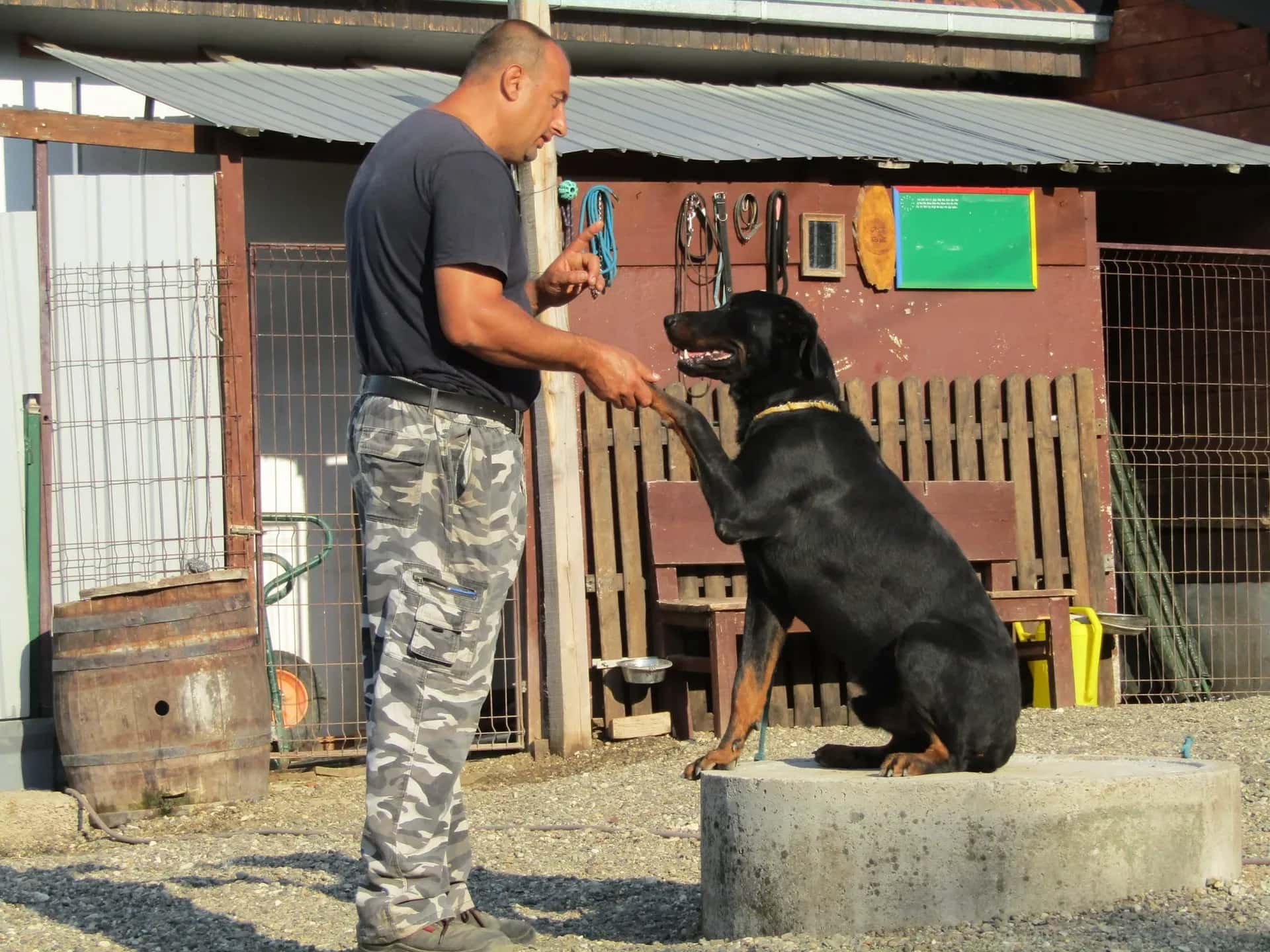
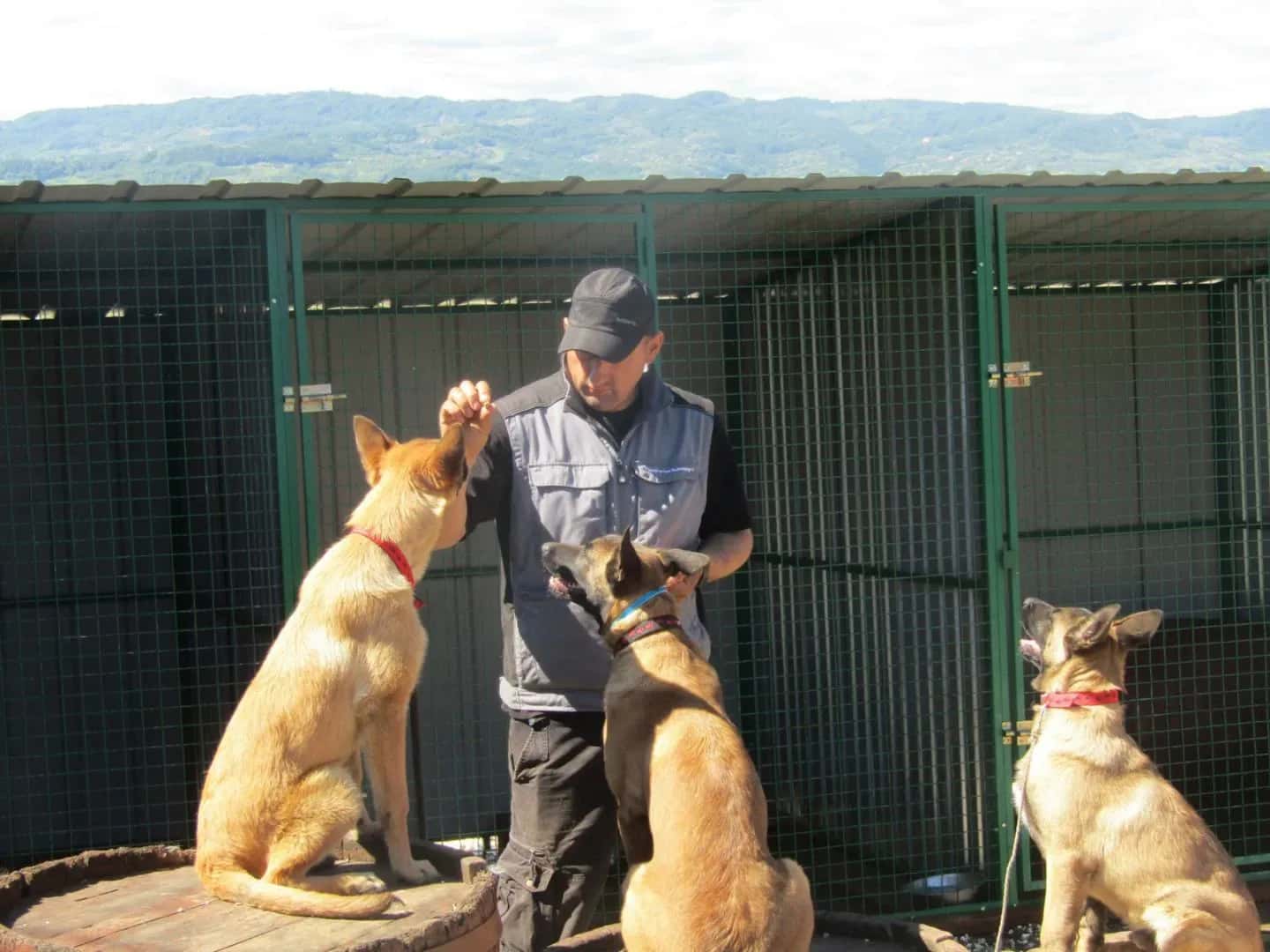
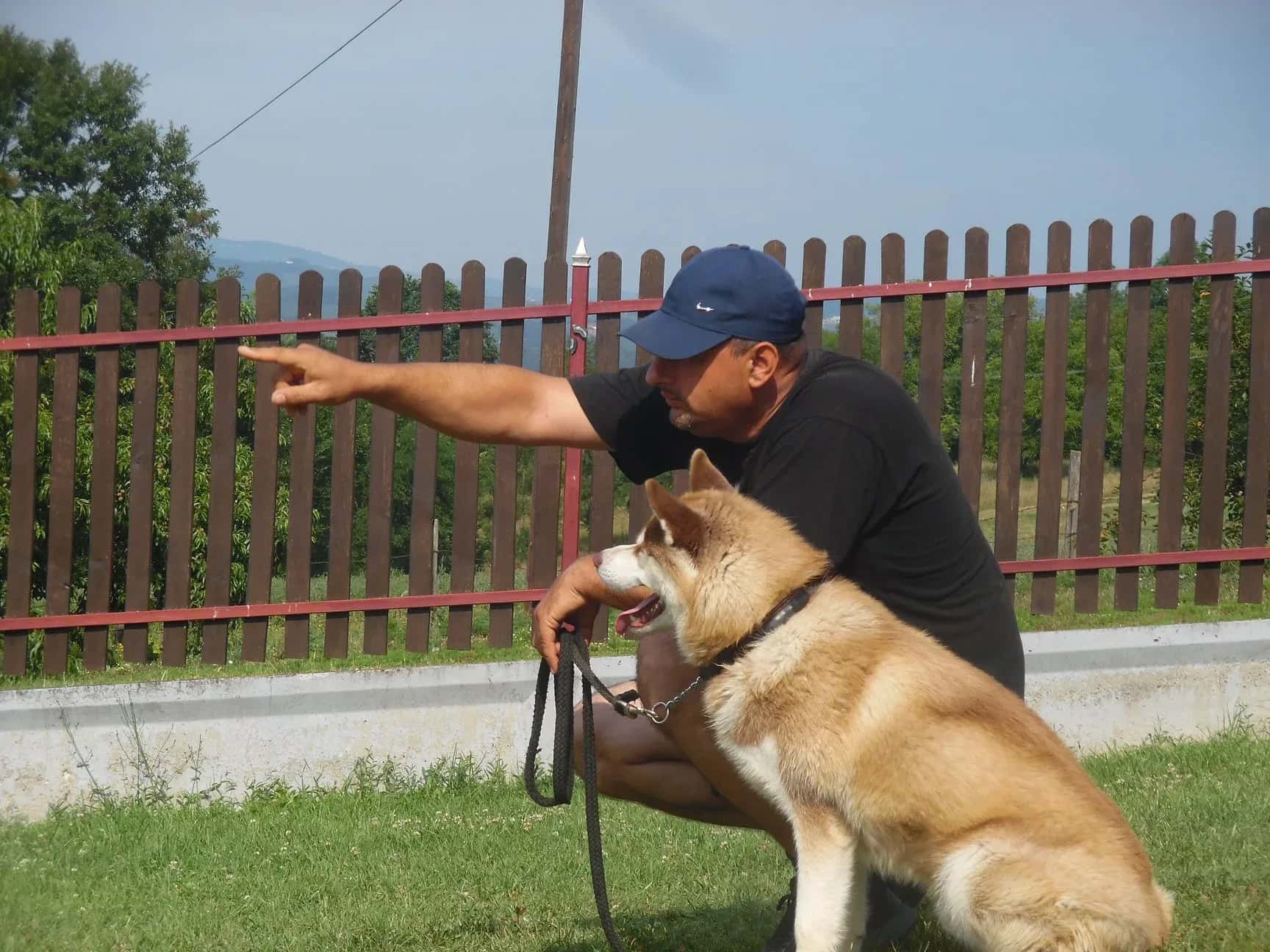
The question usually asked is when a dog can start training. The My Dog animal welfare association gives you the answer: as soon as it arrives in its new family. The correct approach is to make the rules of behaviour clear to the puppy right away. The first thing a dog must learn is what it may and may not do. This brings us to the first command a puppy will learn, the command NO, which signals a prohibition. The prohibition NO is said briefly but in a sharp tone, and we must repeat the procedure until the puppy gives up whatever it was about to do. The only correct way of punishing is, if it does not obey the command, to take the puppy by the upper part of the neck with two fingers and give it a little shake, because for a puppy this is a completely natural and understandable way.
Particular attention should be paid to the fact that a puppy should be corrected immediately before it does something, not while it is doing it, e.g. picking up food from the street, relieving itself in the house, chewing the leash and so on.
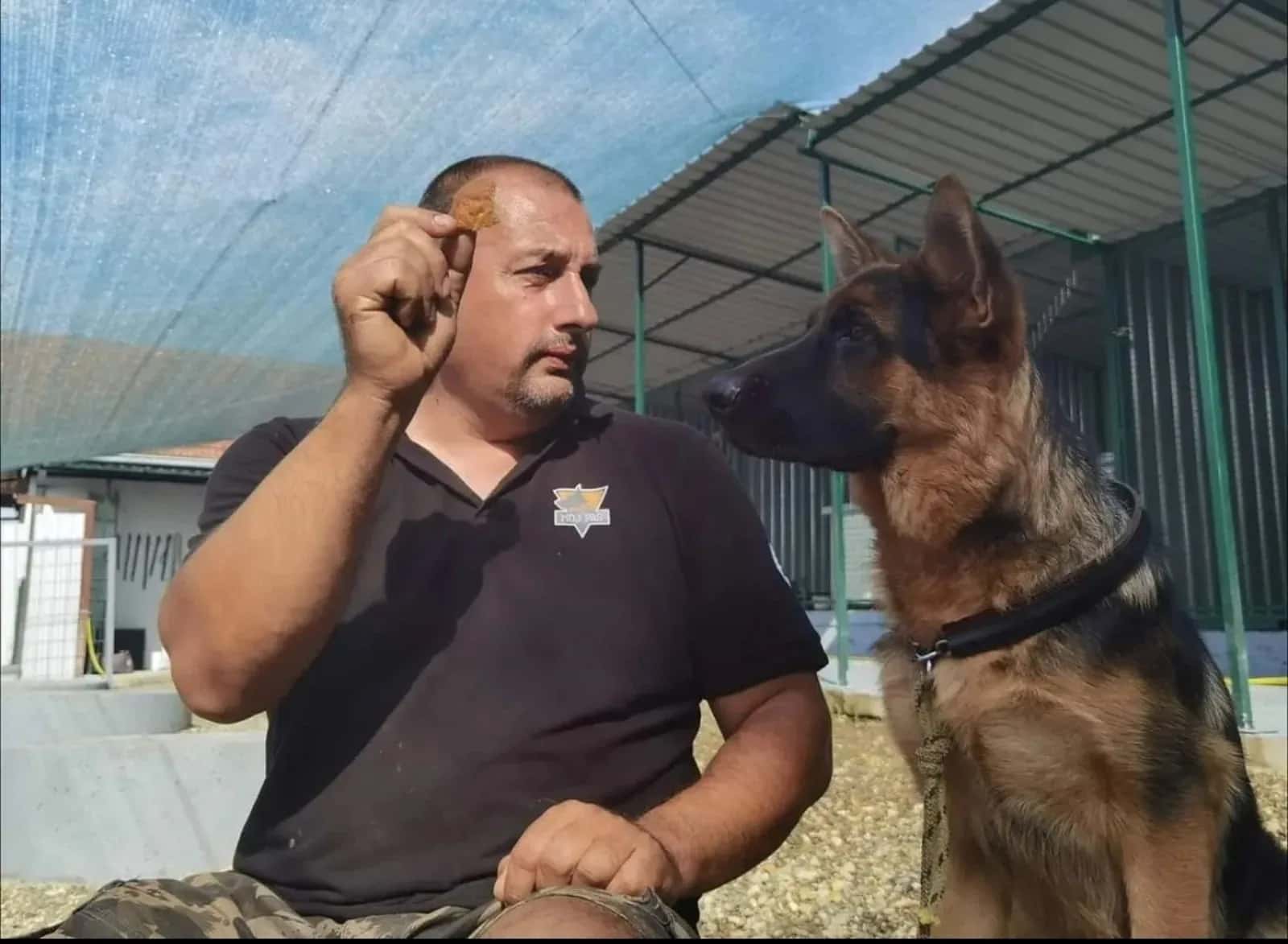
After the command is carried out, the puppy needs to be rewarded, usually with a treat that is tastier than its usual food. This is necessary so that the dog associates the command with the reward, which then becomes its motive for obeying commands, and the dog will be cheerful when carrying them out. Another form of reward can be play, which the dog gets after a well-done training session.
Play is an important part of a dog's life. You need to get the dog a toy that will represent prey to it and that will not be constantly available, only when you decide to play with it. The toy that has proved best is a ball placed in a sock, because it best simulates the movement of prey. We play with the dog by dragging the toy along the floor, which will interest the dog and it will set off to hunt the ball. Once it bites it, the dog will start pulling the ball towards itself. At that moment we also pull the ball towards ourselves, but soon let go so that the dog carries it off (for the dog, this is captured prey). At that moment we must not allow ourselves to make the mistake of trying to catch our dog, because the dog will run away from us; instead, if we want the dog to always bring the ball back, we move in such a way that we always run ahead of the dog, and when the dog brings us the ball we say the command FETCH, offer it a tasty morsel in exchange for the toy, and then put the toy away. It is important to note that we must never take the ball out of the dog's mouth, or refuse to let it carry it off, because that will cause frustration in the dog and reduce its desire to play. To maintain a strong motivation for play, it is important not to play with the dog often, but only after well-done exercises and only very briefly (a couple of minutes).
In this article we wanted to point out some standard mistakes in raising a dog and the technique for performing these exercises. Persistence and consistency are very important. We must never allow the dog to impose its will, because then we are no longer its leader and we will not be able to get from it what we want. We must constantly watch the dog's behaviour and work out from it what the dog wants. If we approach a puppy or dog while it is eating and it growls at us, it is telling us it does not want to share its food with us. If we back off, it is the winner. That is why, in that case, we must react firmly and decisively: if it growls, we take away its food bowl and it goes without the rest of its meal. If we do this 2-3 times, the dog will realise that growling does not protect its food but loses it, and that if it does not growl it will not lose its food. We must be persistent, because only then will we feel cooperation, as well as the dog's happiness, because there is someone in its life it will follow, and you become its role model. A dog will do anything for its leader.
Think about the way you treat your dog. Do not see a human in it; it is a dog, so raise it as a dog, while at the same time giving it a life in which it will be happy.
Comments
No comments yet. Be the first.