
The wolf is back in Belgium, and livestock guardian dogs are on duty
A shepherd in Bullange, Belgium, has guarded her 160 sheep with four big white dogs for five years. What a livestock guardian dog does and what it asks of its owner.
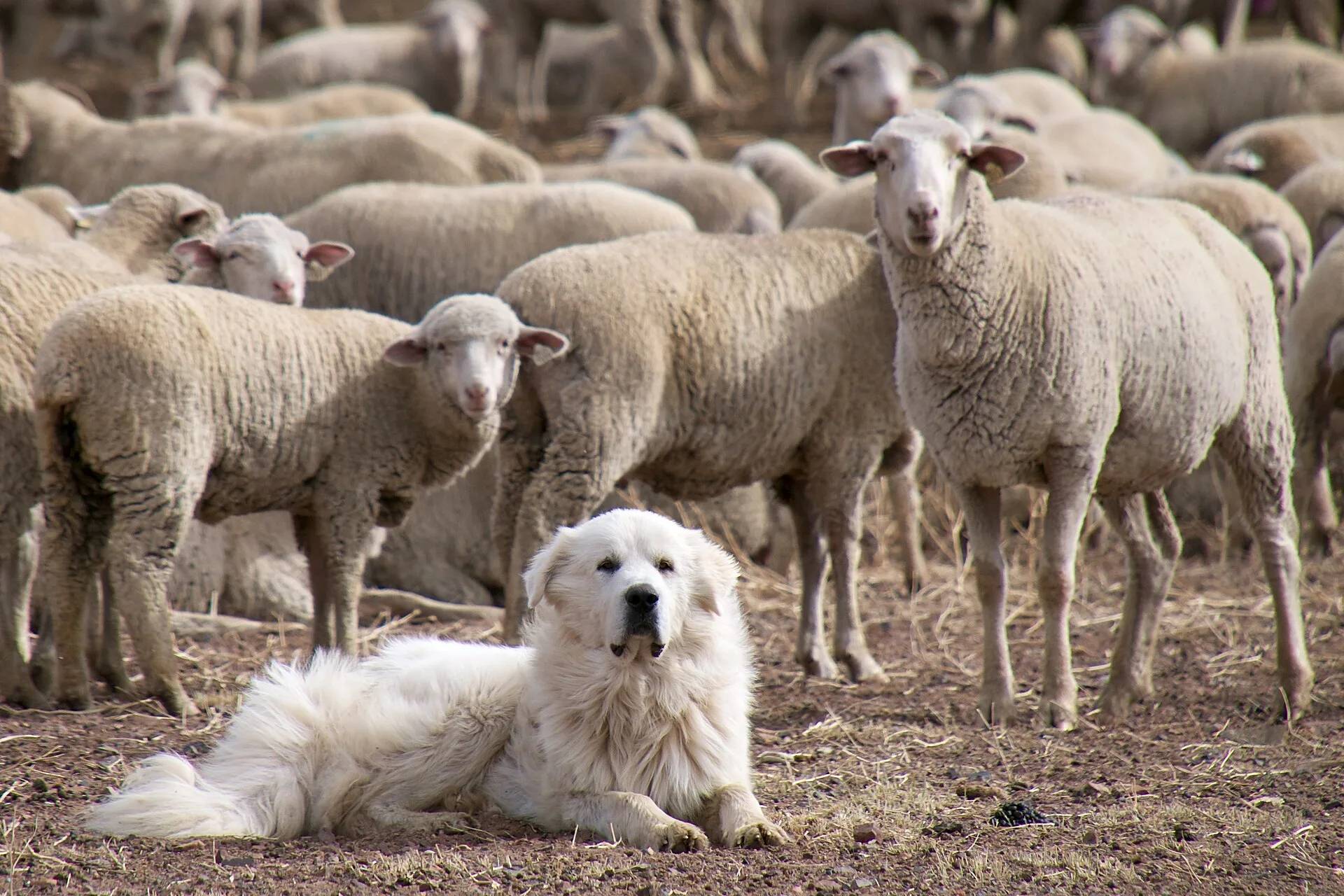
In Wallonia, the French speaking part of Belgium, the wolf is a reality again, and shepherds are turning to solutions that are centuries old in the Balkans. In late August 2026 the public broadcaster RTBF featured Martina Lux, a sheep farmer in Bullange in the east of Liège province, who has protected her 160 sheep with four big white dogs for five years. Her story shows how livestock guardian dogs are becoming one of the main answers to the return of a large predator to Western Europe, and how much the job demands of people.
A wolf 800 metres from the pasture
It started when Martina Lux spotted a wolf about 800 metres from the pasture where her sheep were grazing. The wolf ran off, but the encounter made her rethink how she protected her flock. Since then four dogs have lived with the sheep. According to RTBF they are large white shepherd dogs of Italian origin, which need training and education. "They protect everything on their ground," she says.
The threat is real. According to Wallonia's wolf monitoring network (Réseau Loup wallon), 88 attacks were confirmed as wolf attacks over the past 12 months, and another 18 may have involved a wolf. The country's first recorded wolf attack dates back about ten years. In the week the report was filmed, an attack happened just a few hundred metres from Martina Lux's flock and home.
How livestock guardian dogs work
A guardian dog is not a herding dog like a Border Collie that moves sheep around. Its job is to live with the flock, to treat it as its own and to deter any intruder. Michaël Rood, a shepherd in Jalhay whom RTBF interviewed in late 2024, put it simply: the dogs are with the sheep all year, they grow up in the sheepfold and they bond with the flock. "These are dogs you cannot take out of the flock, they do not know how to live without their sheep," he said.
Rood combines the dogs with other measures. At night the sheep go into an enclosure with a fence 1.80 metres high, mesh buried half a metre into the ground and an electric wire on top, because, as he says, attacks usually come around two or three in the morning. Since he put these measures in place, his flock has not been attacked.
Training and costs
Shepherds in Wallonia get help from Natagriwal, an association that advises farmers. Hannah Westenbohm, its wolf and livestock adviser, organises training, and experts from France and Germany come to answer questions and solve common problems. "The dog is one solution among others, and it works very well," she says, noting that farmers are increasingly worried about the wolf's return.
Martina Lux confirms the protection works, but it is expensive: the dogs must be bought and then fed good quality food. She feels shepherds get too little support and is calling for more public help. "We are being forced to live with the wolf," she says.
There is also a wider context. Europe recently downgraded the wolf's status from "strictly protected" to "protected", but that does not change the basic point: well guarded flocks suffer fewer losses.
What it means for dog owners in Serbia
For readers in Serbia this sounds familiar. The Sarplaninac is one of the best known livestock guardian breeds in the world, and shepherds in the region's mountains have known for generations what Belgians are now learning from scratch. Wolves are present in Serbia too, and livestock keepers in some areas regularly report losses.
The Belgian experience also holds a lesson for people who keep a Sarplaninac or another guardian breed in a yard or a flat. These dogs were bred over centuries to judge danger on their own and defend territory. That is a virtue on a mountain, but in town it can become a problem if the dog is poorly socialised and the owner does not understand its nature. A few tips:
- Early socialisation is essential: different people, sounds, animals and situations in the first months of life.
- Do not expect the obedience of a sport working dog. A guardian is independent; training takes patience, consistency and understanding, not harshness.
- Give it a job and space. A dog made to guard a flock suffers in a small space without challenge or movement.
- Think hard before getting one about whether your lifestyle suits such a dog. If you already have a guardian that overreacts to passers by or guests, get help from an experienced trainer early.
An old craft for new times
The wolf's return to Western Europe has brought one of the oldest jobs dogs do for people back into focus. The story from Bullange shows that the guardian dog is still one of the best solutions, but only with good training, quality food and a person who understands what this dog is and why it behaves the way it does.
Sources: RTBF, Face au loup, une éleveuse de Bullange protège ses moutons avec des chiens (French), RTBF, Jalhay : des chiens, un enclos de nuit et un système électrique pour se protéger des loups (French)
Photo: Don DeBold from San Jose, CA, USA, CC BY 2.0, Wikimedia Commons
From the shop
Products related to this topic.
 %Digital
 Husse
 Husse
Comments
No comments yet. Be the first.