
The Netherlands plans a ban on keeping dogs with short snouts
The Dutch government has concluded that only a ban on keeping them can stop imports of dogs with extremely short snouts. Why the breeding ban was not enough and what it means for buyers.
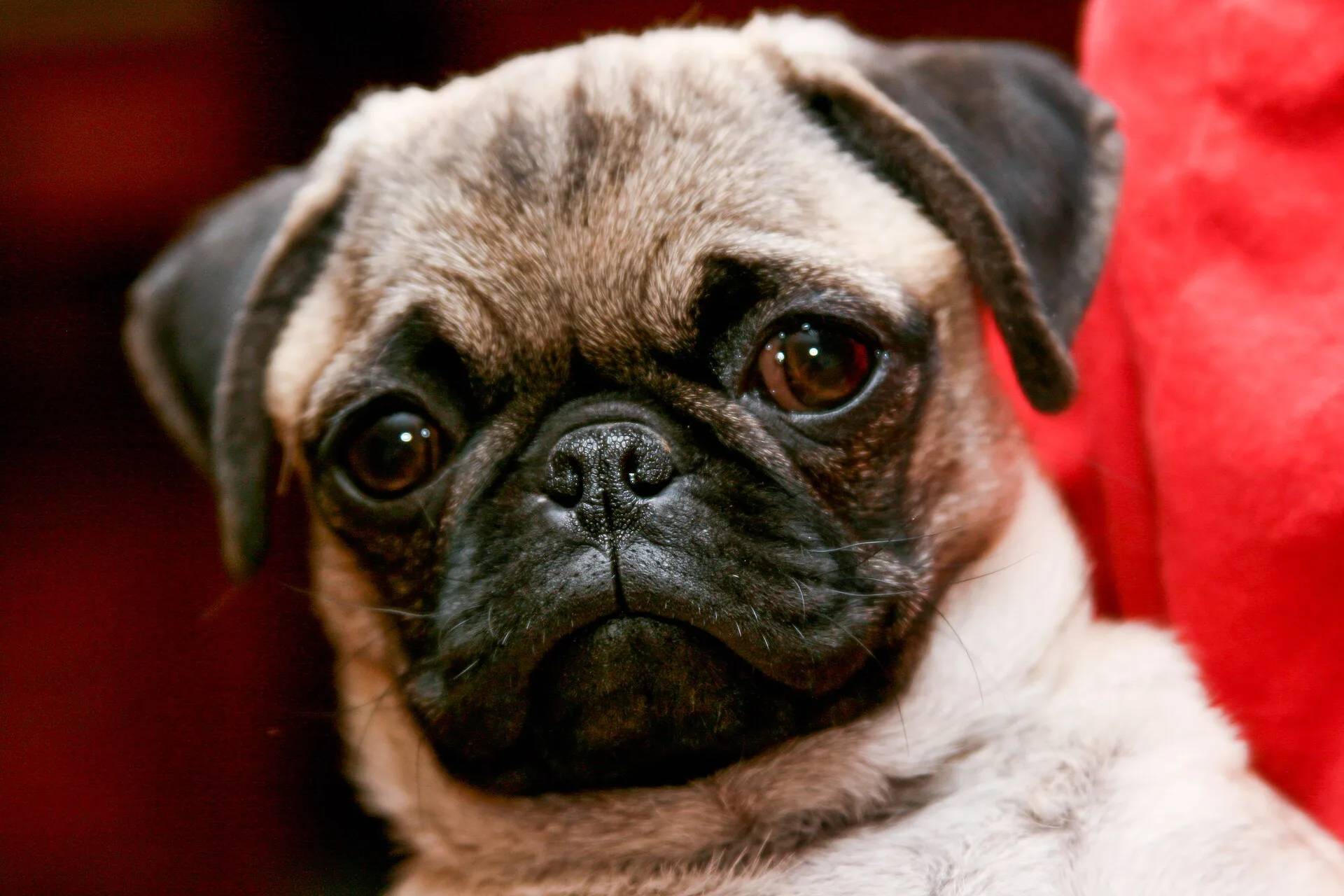
For years the Netherlands has led Europe in tackling the breeding of dogs with short snouts whose looks make breathing hard. Now it wants to go further. In a letter to parliament dated 29 June 2026, the state secretary for agriculture and nature, S.P.A. Erkens, wrote that of all the options examined, only a ban on keeping dogs with extremely short snouts proved workable, enforceable and effective. In other words, the problem is no longer only who breeds such dogs, but also who buys and keeps them.
The loophole: puppies from abroad
Breeding dogs with excessively short muzzles is already restricted in the Netherlands, and breeders must meet six criteria the country applies to brachycephalic, or short-nosed, dogs. The trouble is that such puppies can still be bought in other countries and brought across the border. Parliament therefore adopted a motion by MPs Kostić, Den Hollander, Graus and Grinwis asking the government to come up, within six months, with a plan to end the trade in short-nosed dogs from abroad that may not be bred in the Netherlands.
The letter is candid about why that is hard. With current knowledge, you cannot tell from a puppy whether it will grow into a dog with an extremely short snout. The parents are often not known at the point of sale. Breeding rules in other countries differ, and border checks are difficult because there are no standard border controls within the EU.
What was rejected, and why
At meetings on 12 February and 27 May 2025, the ministry, the Dutch food and consumer product authority (NVWA) and eight animal welfare organisations looked at two other options.
- A trade ban on the Flemish model. Since 1 October 2021, Flanders has banned breeding and trading dogs and cats with hereditary disorders that cannot be fixed through careful mating. So far only the fold-eared cat (Scottish fold) has been put on that list. For short-nosed dogs Flanders applies looser criteria than the Netherlands, so the model could not serve as an example.
- Mandatory measurement forms for dealers. Each imported puppy would come with a vet's certificate of measurements for both parents. The government calls the idea sympathetic but unworkable: there is no way to verify that a form really belongs to those parents, and the father is often unknown.
How a ban on keeping dogs with short snouts would work
The advantage of a keeping ban is that it discourages both supply and demand. To take action, it is enough to establish that someone owns or has owned a dog with an extremely short snout, without proving where the dog came from. It will not happen overnight, though. The government needs results from research by the Expertise Centre for Genetics in Veterinary Medicine (EGD) on skull development in short-nosed puppies, so that it becomes possible to predict whether a puppy will grow into a dog that could legally be bred from. Results are expected in December 2027, and the necessary regulation is being drafted in the meantime.
The measure would resemble the Dutch ban on keeping fold-eared and hairless cats, which took effect on 1 January 2026. The idea is not new: back in January 2023 the then minister Piet Adema announced a keeping ban on pets bred for looks, saying no pet in the Netherlands should have to suffer because of its appearance. At the time he also said existing owners would not have to give up their animals.
What it means for dog owners in Serbia
Pugs, French bulldogs and similar breeds are popular in Serbia too, and many puppies are bought through online ads without any look at the parents. The Dutch debate is a useful reminder of what to check before buying:
- Ask to see the parents. How do they breathe at rest and after a short walk? Snoring and panting are not a "cute breed trait" but a possible sign of breathing problems.
- Look at the nostrils and muzzle. Narrow nostrils and a very flat face often mean a dog struggles to breathe, especially in hot weather.
- Talk to a vet before you buy, not after. Airway surgery is expensive and does not always solve the problem completely.
- Avoid sellers who cannot show where a puppy comes from. The Dutch government itself admits this is the biggest gap in the system.
A dog with a slightly longer muzzle is no less a "real" example of its breed. For the dog, it can mean easier breathing, more play and a longer life.
Sources: Tweede Kamer, Verzamelbrief dierenwelzijn, Kamerstuk 28286 no. 1479 (Dutch), AVROTROS Radar, Mopshondjes en katten met vouwoortjes: doorgefokte huisdieren binnenkort verboden (Dutch)
Photo: CC BY 2.0, Wikimedia Commons
From the shop
Products related to this topic.
 Husse
 Husse
 Husse
Comments
No comments yet. Be the first.