
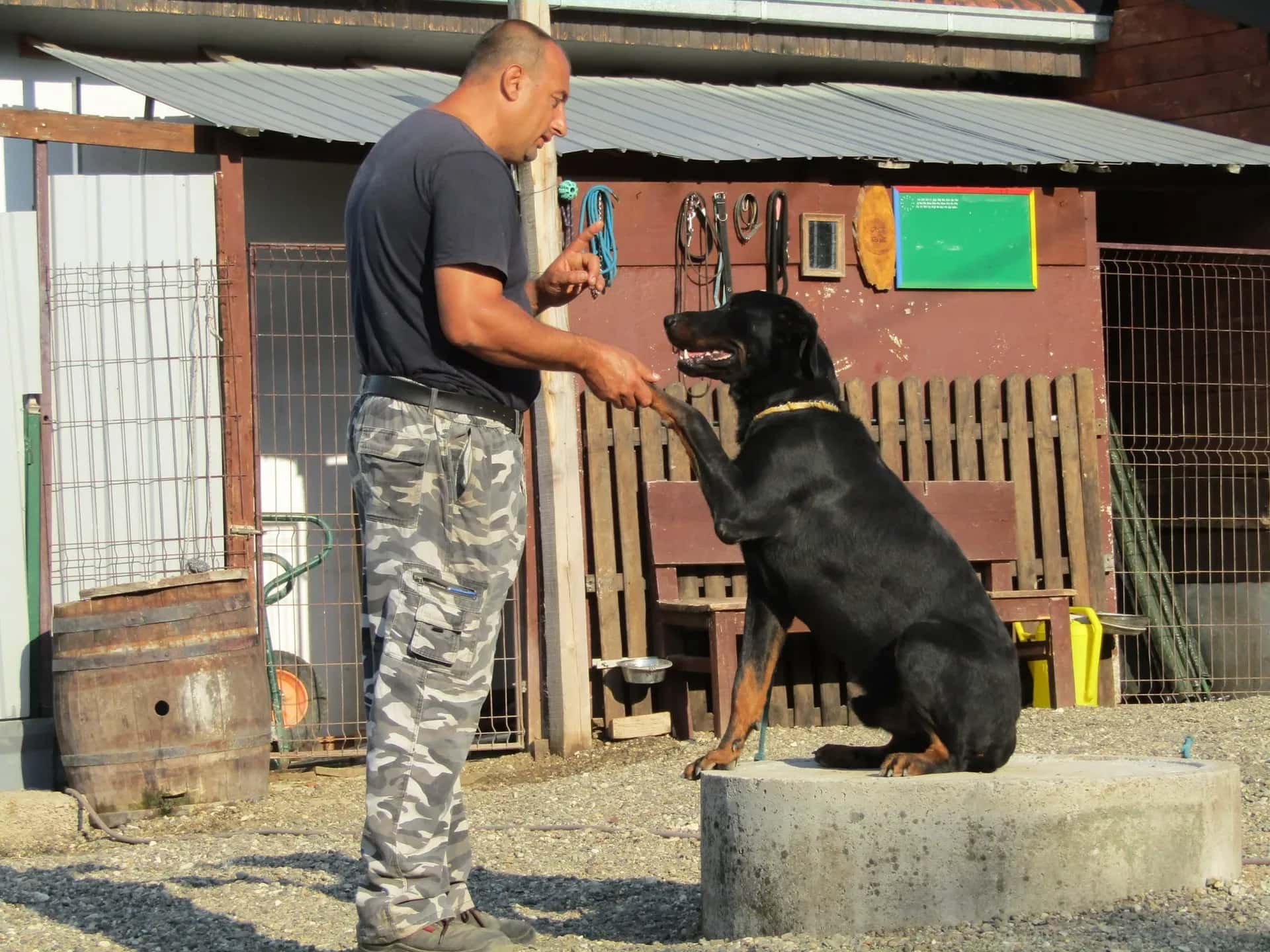
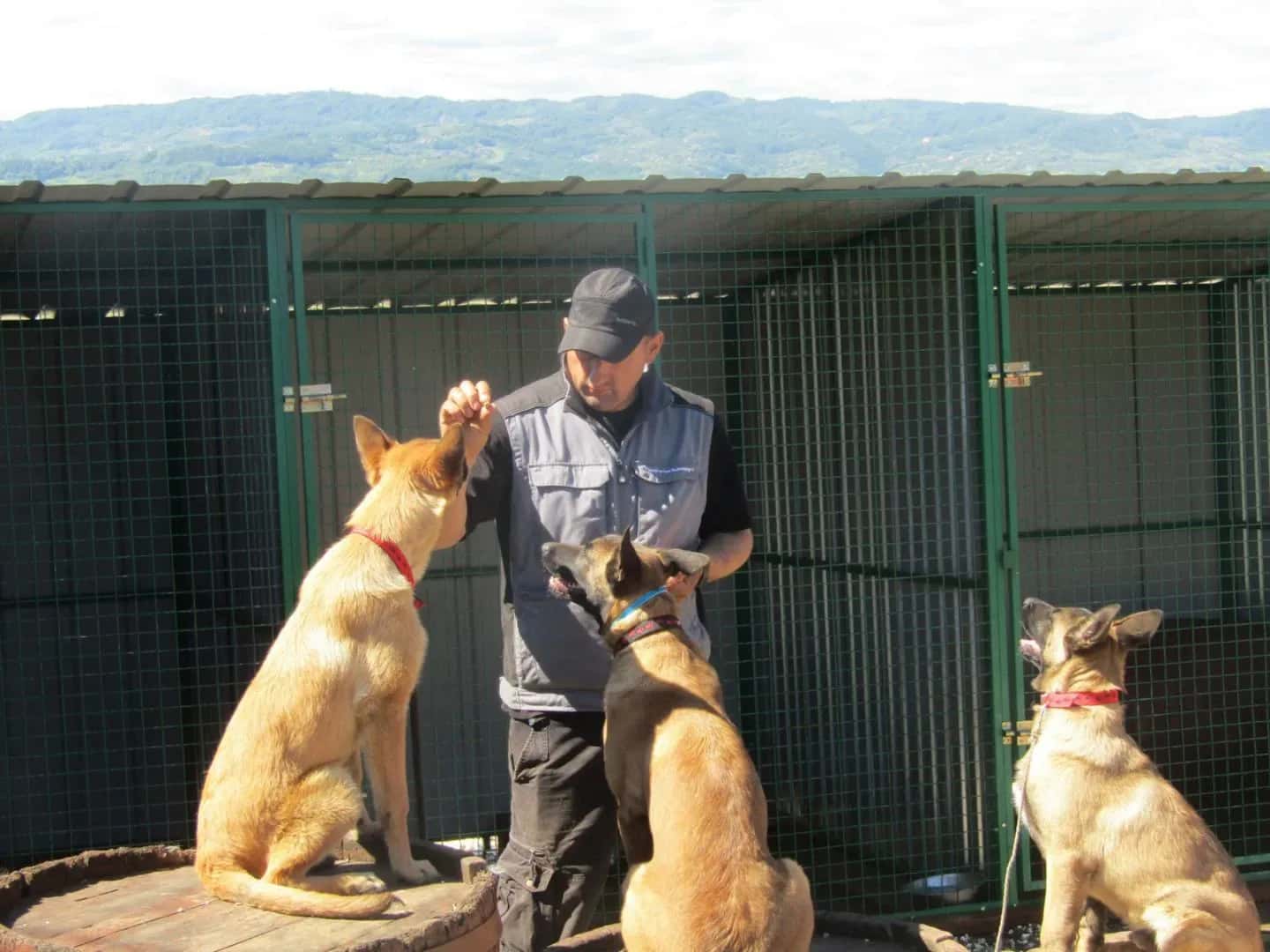
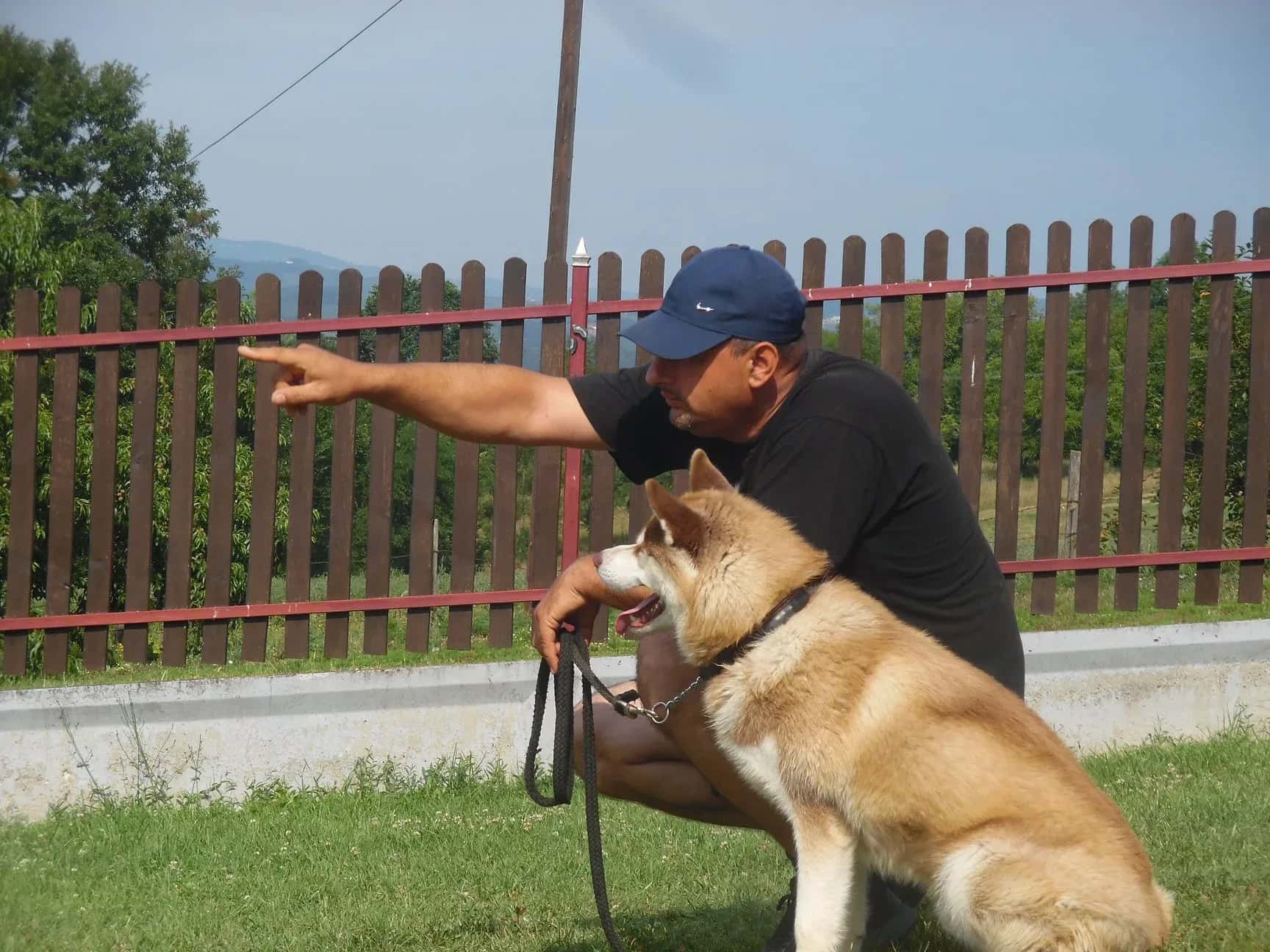
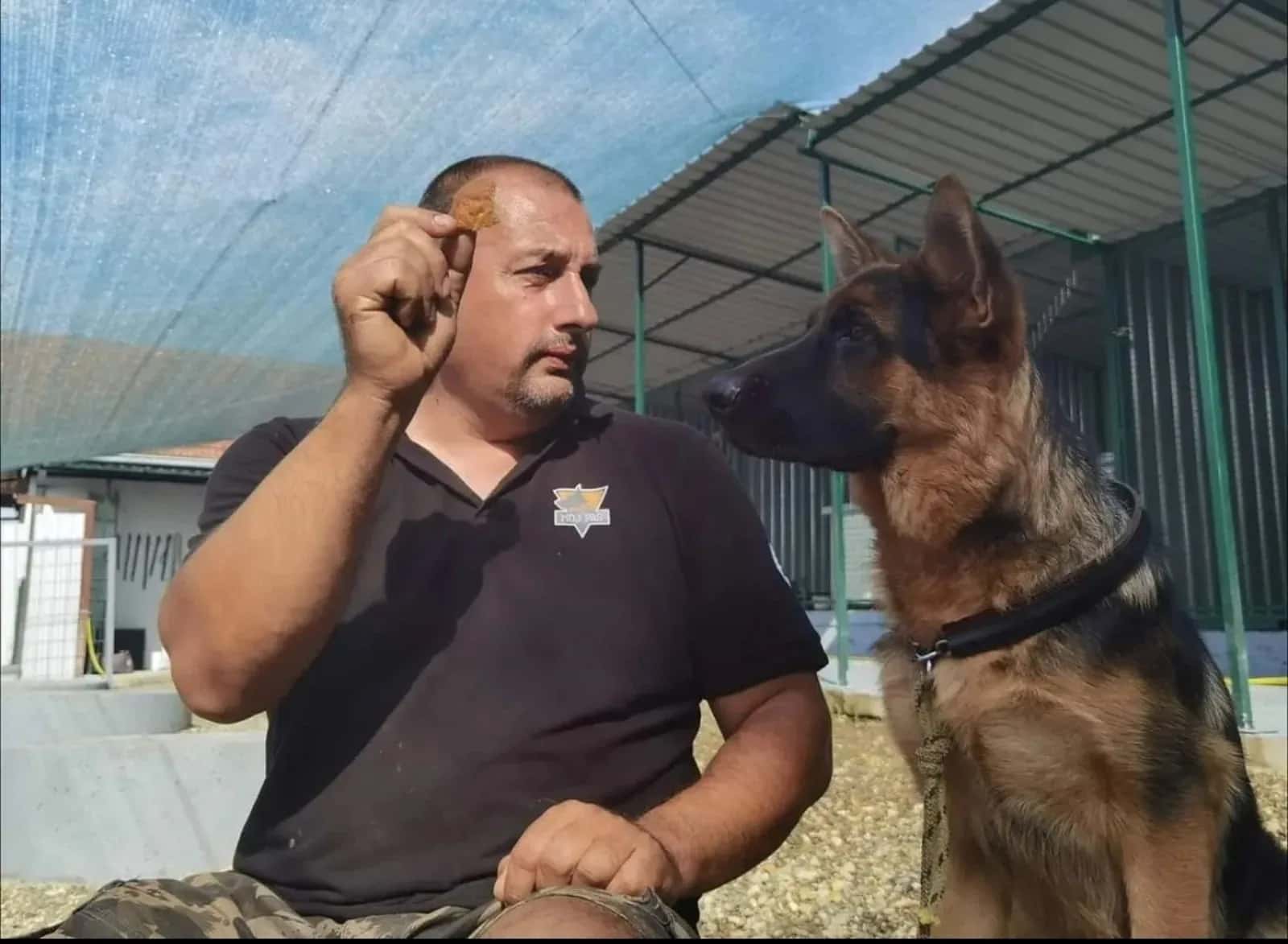
Why it is good for children to have a dog
The dog as a teacher, friend and ally in a child's upbringing. In today's fast-paced and often alienated world, parents are increasingly looking for ways to give their children a childhood filled with love, security and emotional growth. One extremely effective, yet often overlooked, way is growing up with a dog, not merely as a pet but as an equal member
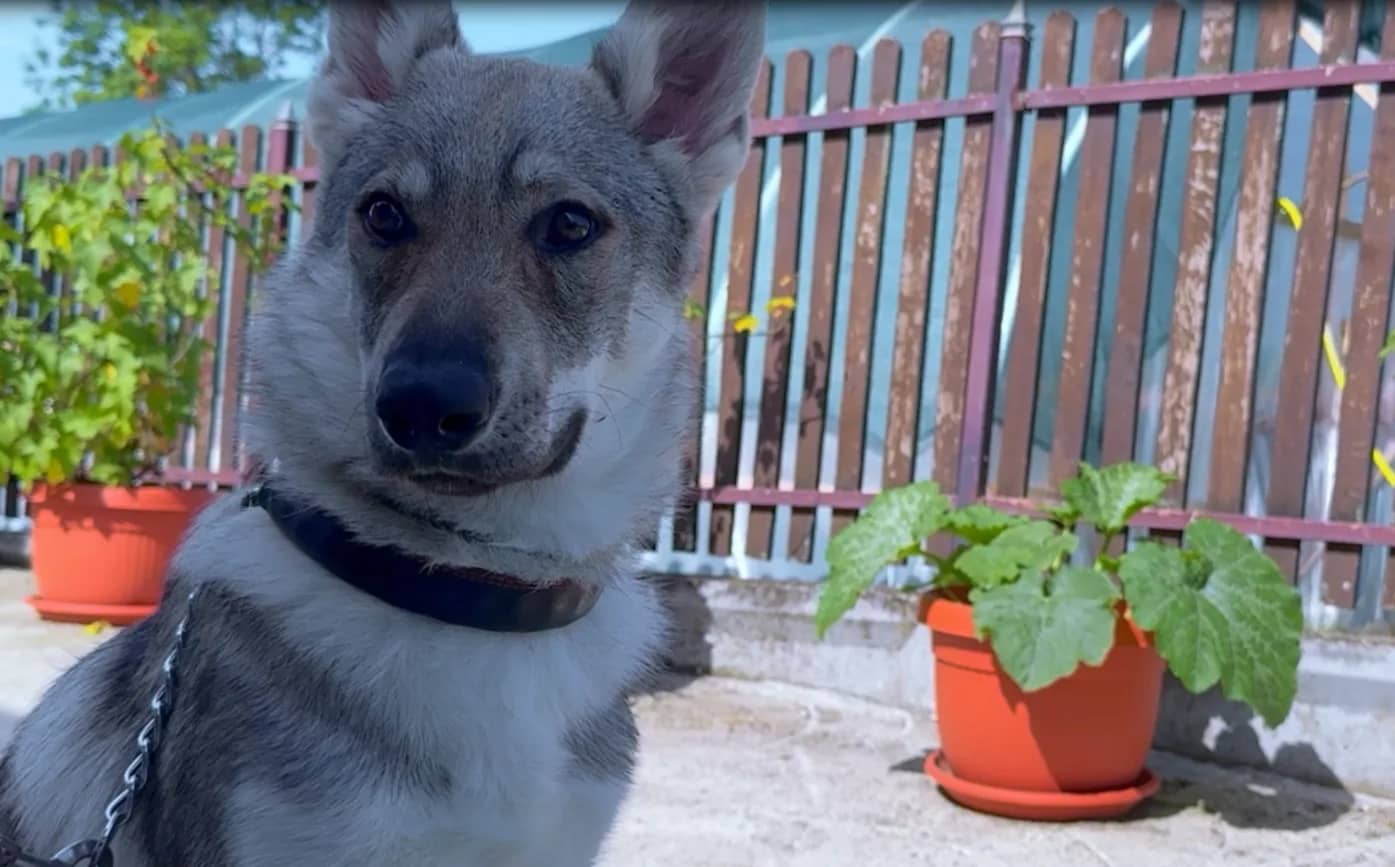
The dog as a teacher, friend and ally in a child's upbringing
In today's fast-paced and often alienated world, parents are increasingly looking for ways to give their children a childhood filled with love, security and emotional growth. One extremely effective, yet often overlooked, way is growing up with a dog, not merely as a pet but as an equal member of the family and a teacher of life.
Beyond the well-known benefits a child gains from daily contact with dogs, such as a stronger immune system, especially of the respiratory organs, thanks to exposure to the various microorganisms a dog carries in its coat, and the development of work habits, responsibility and empathy towards animals, perhaps the deepest and most lasting impact is on the child's emotional and social development.
Through the daily care of a dog, the child spontaneously enters a world of duties that require consistency, attention and patience. Feeding, walks, hygiene, play: all of these are actions which, although seemingly simple, activate the centres for planning, organisation and emotional regulation in a child's brain. But what is particularly fascinating is the way a dog, as a being that communicates non-verbally and relies on consistency and clarity, helps the child develop a sense of boundaries and rules, both in communicating with the animal and with other people.
When a child tries to influence a dog's unwanted behaviour, whether it is barking, jumping up or toileting in the wrong place, it enters a process that requires adaptation and strategy. In teaching the dog discipline, the child unconsciously learns about its own behaviour too, recognises its own impulses and practises self-control. Through that relationship, the child forms an automatic mechanism for recognising bad patterns of behaviour, not only in the dog but in the people around it.
This transfer of learning from the animal to human relationships has enormous developmental significance. The child becomes able to recognise boundaries clearly, to notice when someone's behaviour crosses into manipulation or aggression, and to respond calmly and decisively. In this way the dog, though unaware of its role, becomes a kind of "mentor" that helps the child build emotional resilience and social intelligence.
The psychological security a dog gives a child should not be overlooked either. As a faithful companion, it is always there, without judgement, without expectations, ready to offer comfort and joy. In moments when a child experiences stress, sadness or loneliness, the presence of a dog can have a therapeutic effect. Many studies have shown that children who grow up with dogs display lower levels of anxiety, more developed communication skills and a greater ability to form stable emotional bonds.
So it is no exaggeration to say that a dog can become a child's most important ally in the process of growing up. It is not just a toy or a hobby; it is a living being that asks the child for care, responsibility and love, and in return gives what is most valuable: loyalty, security and a quiet but powerful life lesson.
So, dear parents, think about it: by getting a dog you may be giving your child not just a pet, but the best gift of its life.
Comments
No comments yet. Be the first.