
Training combined with upbringing and socialisation of a pet leads to better control of the dog
A pet owner is the dog's guide through our world and through its life. Besides the fact that we have, among other things,
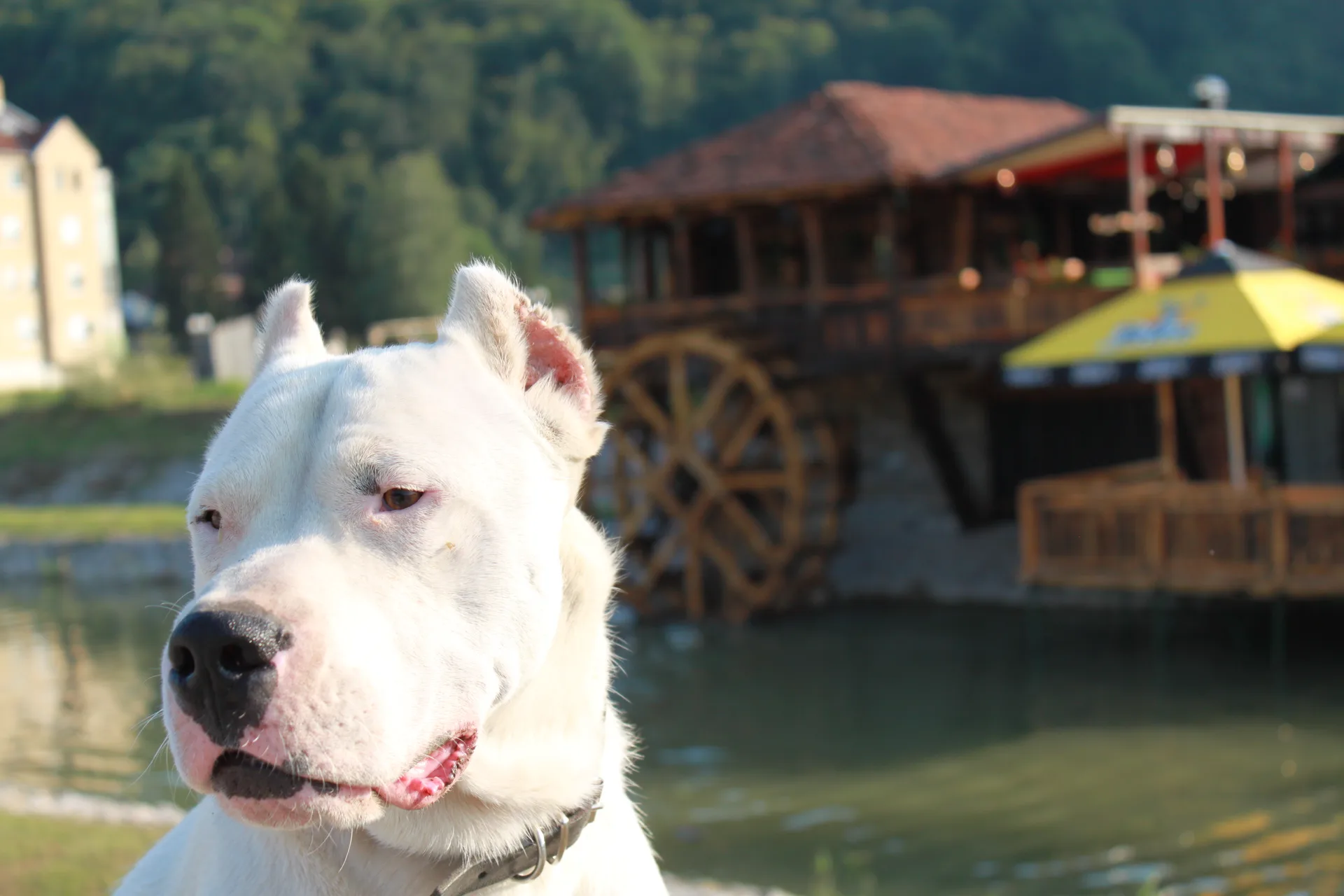
A pet owner is the dog's guide through our world and through its life. Besides the fact that we have, among other things, a duty to protect and look after the dog on a daily basis, we are responsible for helping the dog and guiding it through the process of learning and adapting to our world and our rules. Also, every moment it spends near us, the dog is learning something from our conscious and unconscious behaviour.
So what do we actually do to achieve harmony in life with a pet? In what ways does the owner influence the dog? When we talk about the dog as a pet, what the average owner needs to understand are the following basic ways in which a person affects the development and life of a pet. Together they form a whole that influences the dog's behaviour and its general mental and physical state.
Upbringing of the dog
The dog's upbringing begins in the earliest moments of its life. First the mother, then the brothers and sisters in the litter, and especially, if it is lucky, a male that happens to be around, and then we ourselves, from the first moment the dog enters our home, all influence the formation of the dog's personality and temperament. The aim of upbringing is for the dog, without our influence and even when we are not present, to satisfy the needs that are natural for a dog, but in a way that is acceptable in a human environment, in the way we want. That is why we teach it to like doing it that way, or rather to understand the importance of those actions, because only then will it do them in a certain way even when we are not there.
In this process we teach the dog, for example, how to make decisions, how to solve its own problems and be independent, we redirect the way it satisfies its natural needs, and so on. In other words, among other things, we teach the dog where its place is, how to ask for something it needs, when and how much to bark, where to dig holes, and so on. Through this process we gain authority, its respect and trust, because we acknowledge its needs in an appropriate way, and the dog, in turn, gains self-confidence.
During upbringing, most often we put the dog in a situation where it solves a problem by itself and works out for itself what is best to do. During such a process, in which it solves problems on its own, the dog also develops cognitive abilities, which, among other things, makes all future attempts to teach it something easier.
Socialisation of the dog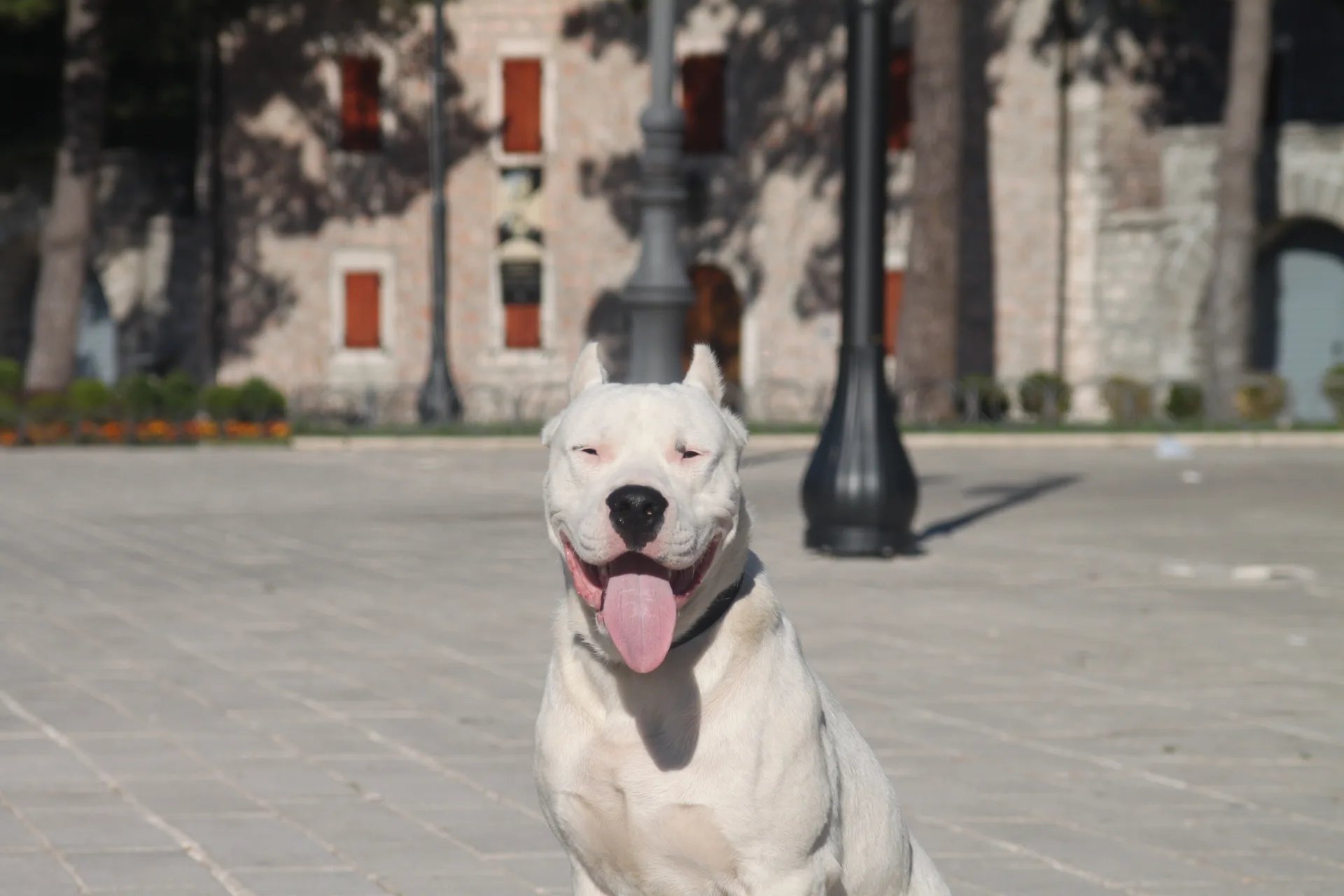
Socialisation, as an integral part of upbringing, is a process of extreme importance for the dog. Socialisation is what makes the dog feel good and comfortable in our world. The focus of this process is on the dog. So the barking or hole-digging that bothers us is not part of its socialisation, because ultimately that bothers us, while for the dog it is perfectly natural behaviour. When we talk about its natural behaviour, its needs and modifying them, that is, adapting them to our environment, we are talking about upbringing. When we talk about socialisation, we are mostly talking about the dog's emotions. Socialisation goes hand in hand with upbringing and training and starts in the litter, in the 4th week of life.
Socialisation is, in essence, the deliberate and pleasant exposure of the dog to people and to everything in our surroundings that is the result of human activity and of nature, and then to other dogs and other animals. The aim of socialisation is for the dog to get to know the world around it, to be self-assured in that world, to live without stress and without fear of anything, especially of the unknown, not to be afraid of people or of anything people have created, and to acquire the skills to communicate with the world around it. Only when a dog is calm and not afraid can it be independent and, without our influence, make the right decisions that matter for its survival. The vast majority of behaviour problems are rooted in fear of something.
Inadequate or late socialisation leads to various behavioural disorders which we may not notice straight away, but once they appear they require special methods and techniques of lengthy re-socialisation to bring the dog back to a normal mental state and, with it, normal behaviour. When we establish that the cause of a behaviour is fear, we most often use the process of desensitisation or counter-conditioning, which in practice means gradual exposure to stressors, up to a level the dog can cope with, so as not to damage its mental state even further.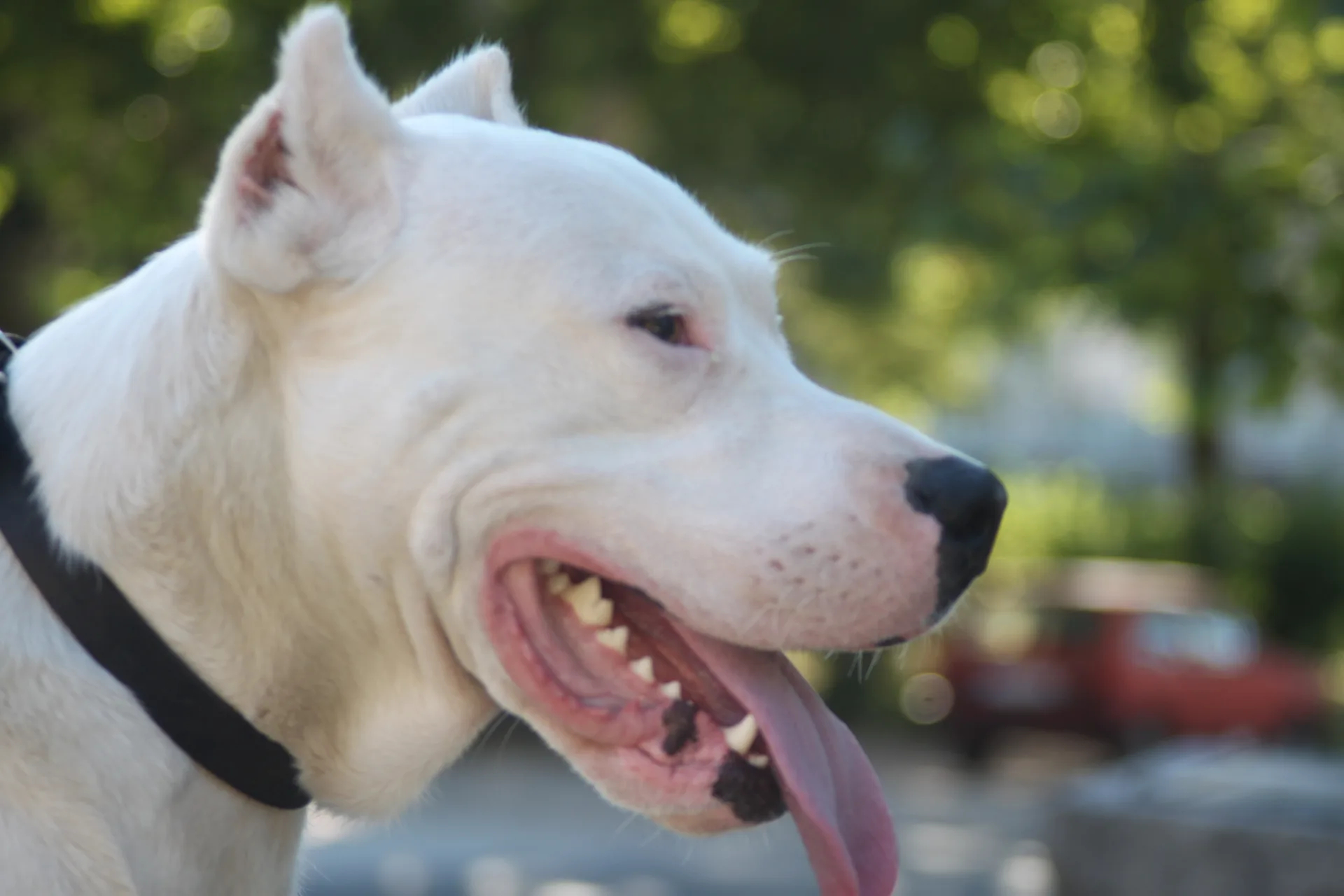
Owners often do not even notice the consequences of a lack of socialisation in their dogs. Unsocialised dogs also somehow live and survive in our world, but they will never be the healthy, reliable dogs they could have been if the owner had socialised them properly and in time.
Training the dog
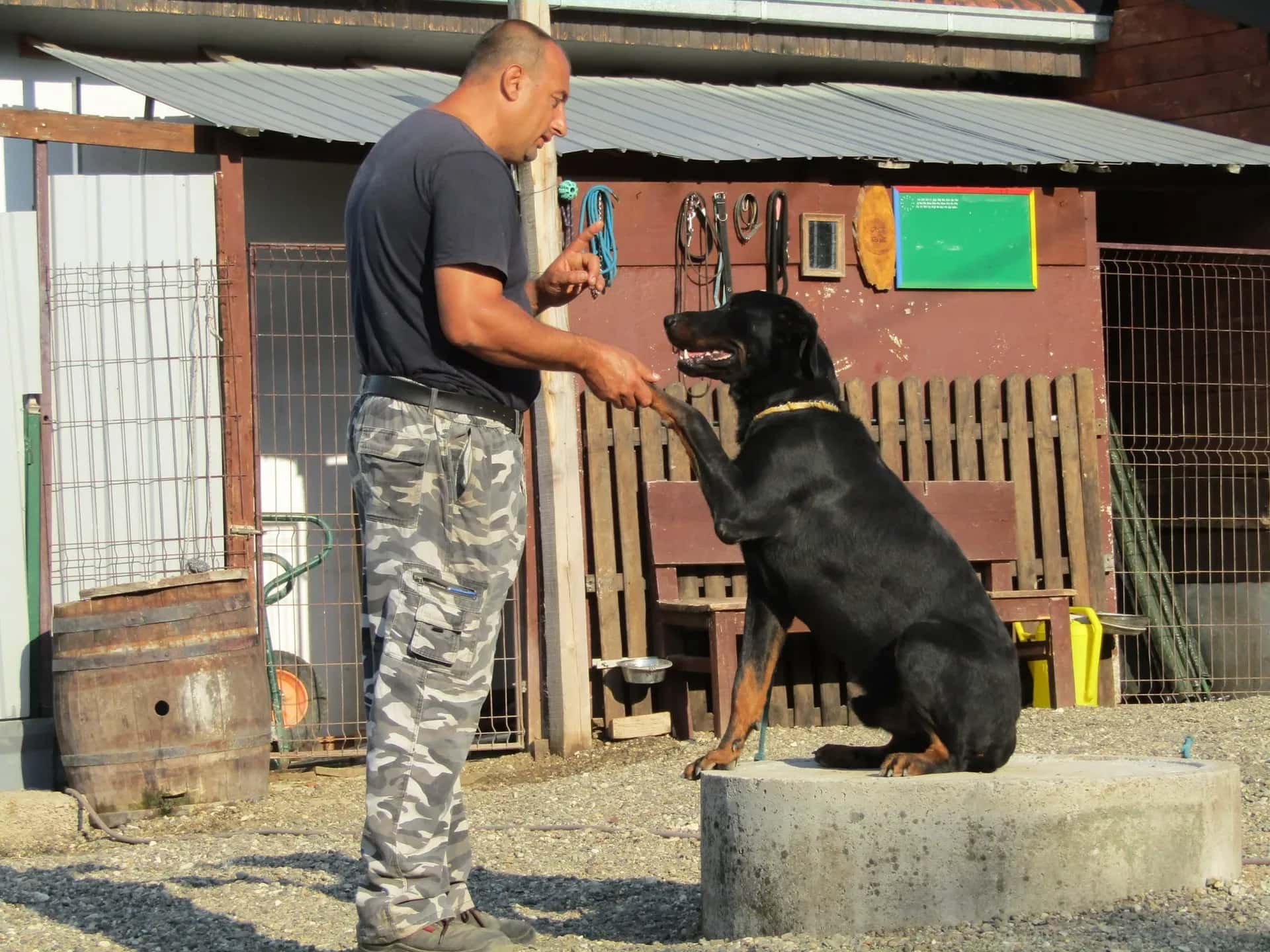
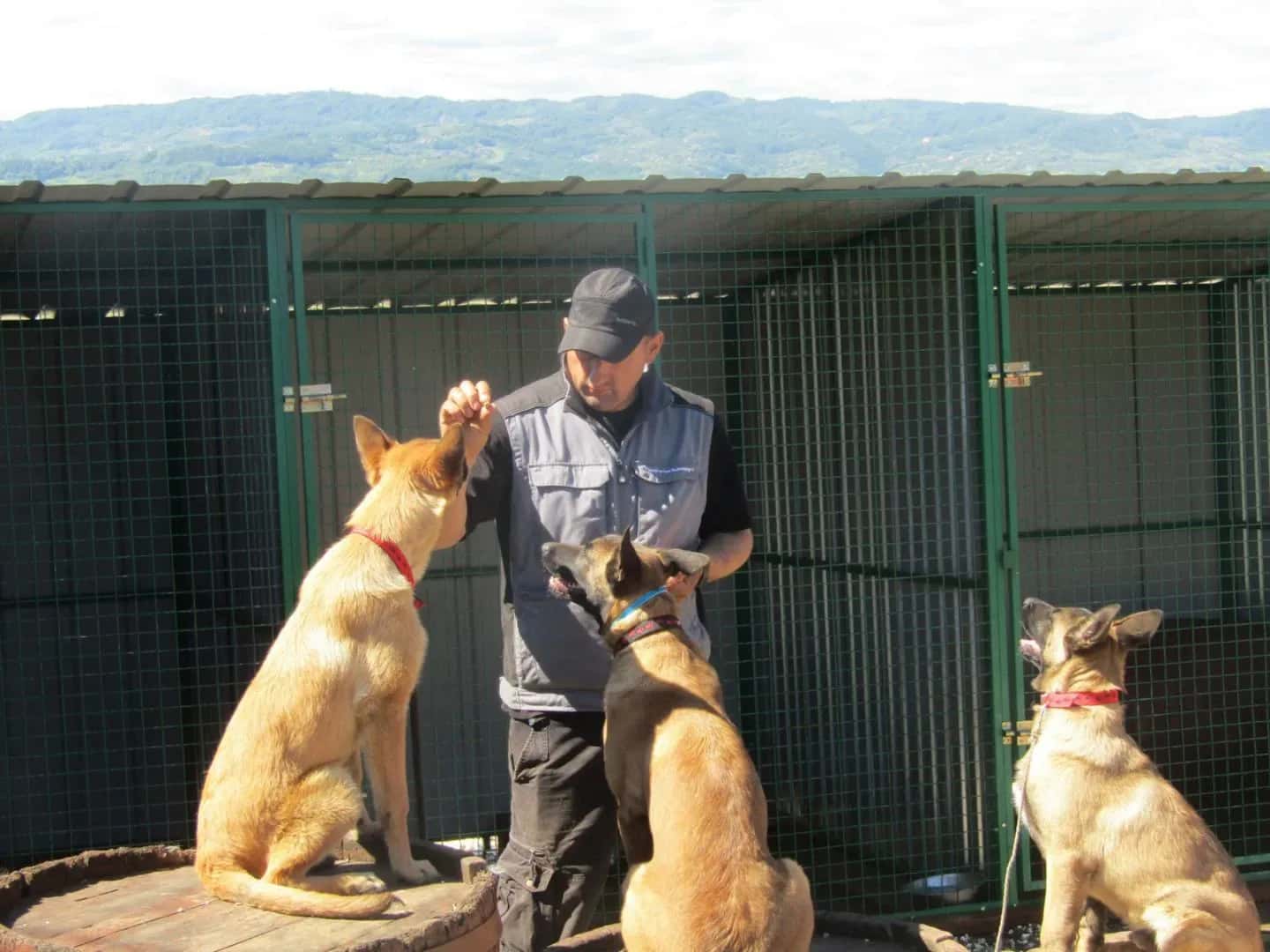
The aim of training is for a pet dog to master basic, and even advanced, obedience. Training pet dogs means creating a conditioned reflex in the form of a movement in response to our command, so that we can control and manage the position of the dog's body in space and time, primarily for its protection. And, of course, obedience training is carried out differently from the process of upbringing or socialisation.
What pets need are the basics of obedience in the form of the commands Sit! Down! Stand! No! Leave it! Come! Wait! and Heel!, as well as, of course, decent and proper walking on the lead.
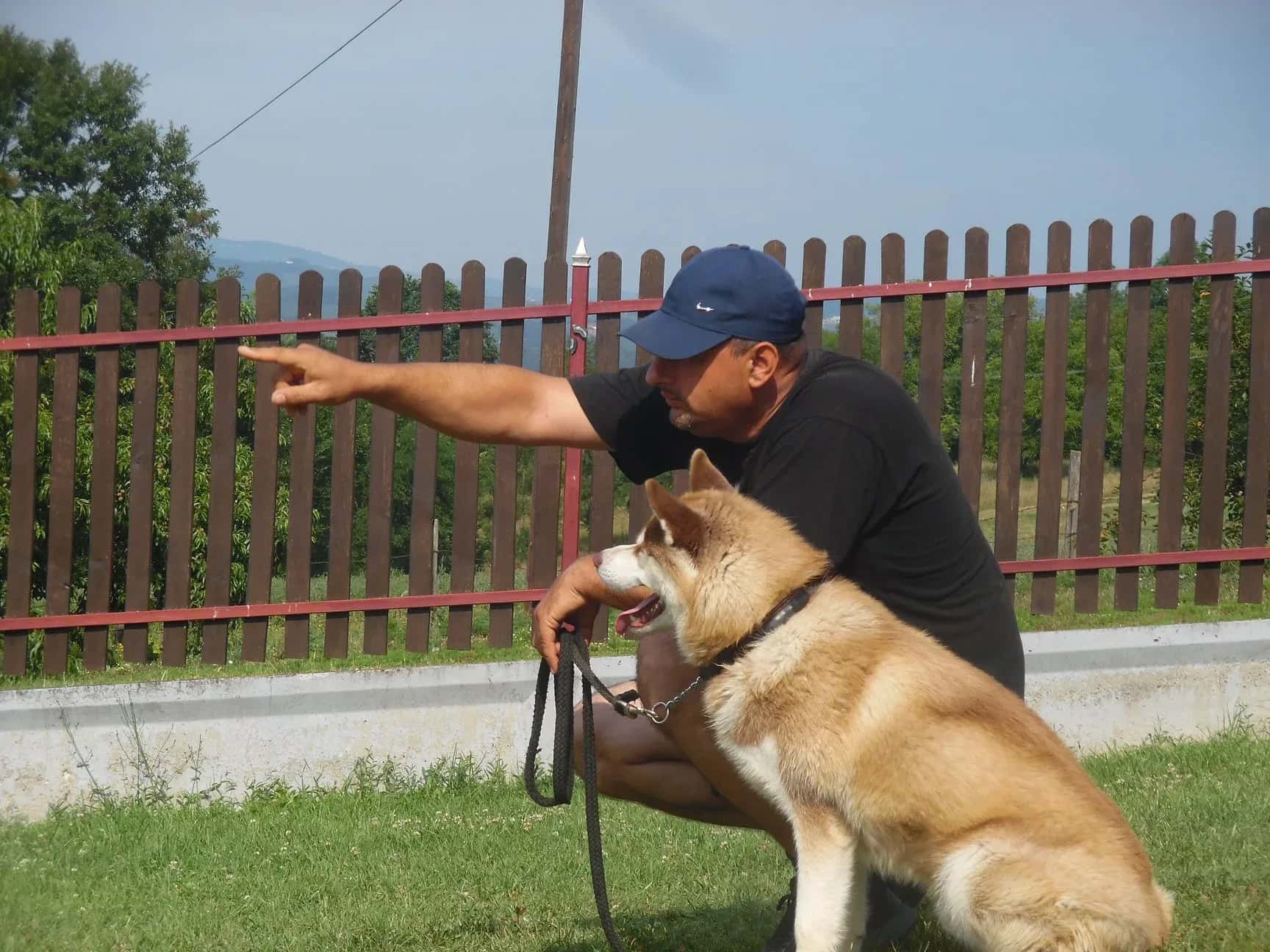
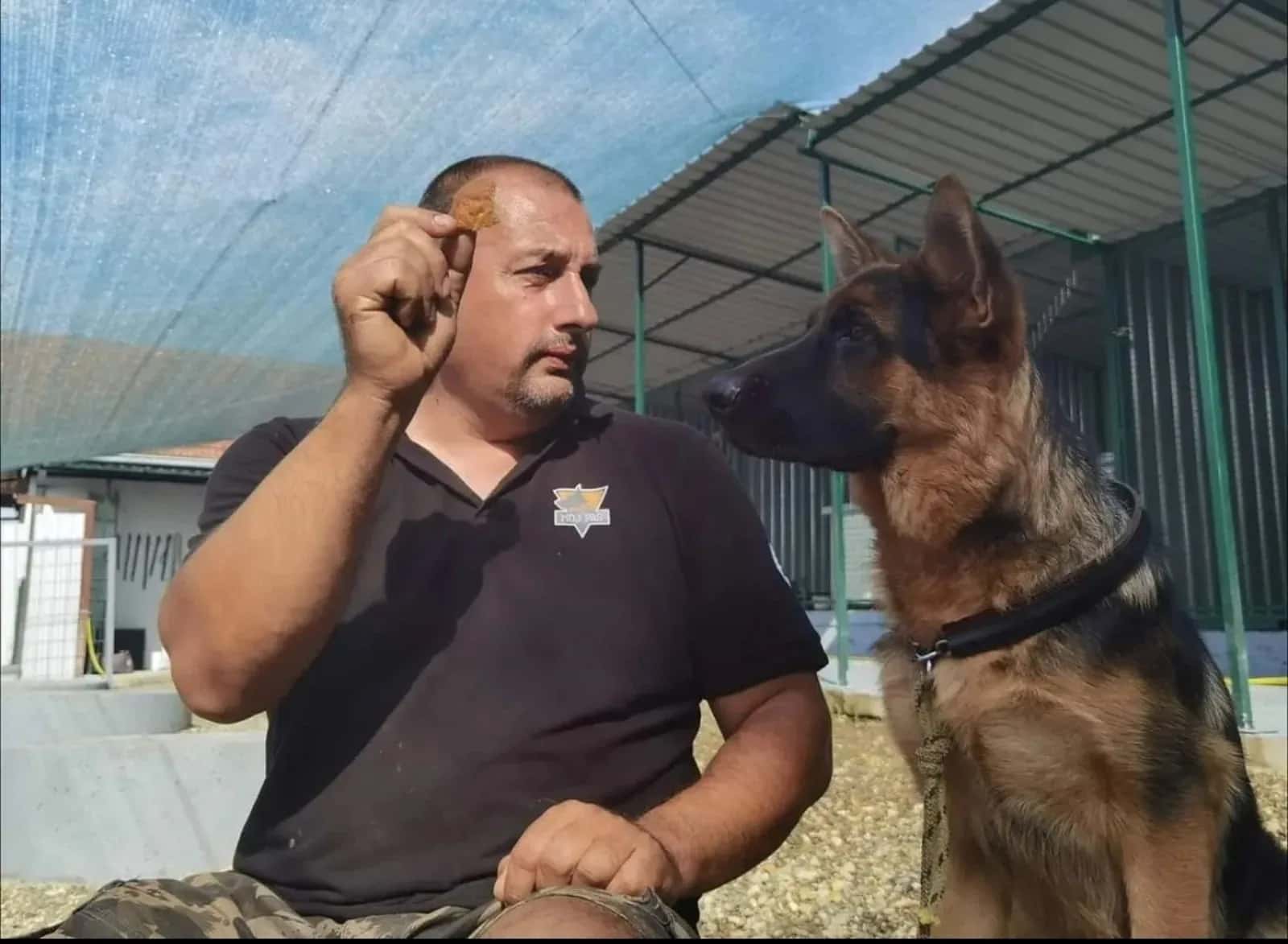
Training combined with the upbringing and socialisation of a pet leads to better control of the dog and to its protection. Its aim is for the dog to perform basic body movements and actions when and where we want, for example not to run across the road at a critical moment, or to come to the owner when called if it comes across a group of frightened children, and so on. Even though it seems we are protecting others from the dog, we are actually protecting the dog itself, so that others do not misinterpret its behaviour or even provoke unwanted behaviour in the dog.
Dog training as a practice
In the general field of working with dogs there is also the profession of pet trainer, which covers all aspects of living and working with pets. Pet trainers are versed in all the forms of work with dogs described here, because they form a single whole that influences the dog's behaviour and its general condition. It is important to distinguish between all these forms of work with a dog, because we approach each of them differently. For example, in upbringing we most often let the dog draw its own conclusion, without our influence in the learning process, because we create conditions in which the only decisions it can make are the right ones. Whatever it works out on its own, it remembers better and for longer. In socialisation we take part through our support, presence, play, and so on, so that the dog experiences something in its environment as pleasant. Training is carried out by creating a conditioned reflex in the dog. Only the methods and techniques used by different trainers vary.
Pet training is specific because, under the guidance and advice of a professional trainer, it is integrated into the everyday life of the owner-trainer, so it does not require much extra time set aside for training.
The training done by the trainer/owner takes place through planned and deliberate shorter and longer sessions and exercises on a daily basis, in the form of play, during walks, while you cook or relax in front of the TV, and so on. How we organise the training depends on the dog's age, its "fitness" for learning, the goal we want to achieve, the owner's lifestyle, and so on. And training really lasts the dog's whole life, because we are always there to revise what it has learned through play, or to set it back on the right track if it gets confused. Every moment it spends near us, the dog is learning something, and even while we sleep the dog is learning something from us, believe it or not.
Once the owner's training, meaning a general attitude and daily influence on the pet, fails and we have various problems in everyday behaviour, pet trainers, according to the individual needs of the dog and its general living conditions, work first on analysing the causes of the behaviour, then on restoring balance to the dog's life and, ultimately, on bringing its behaviour back to normal.
Psychological processes
Neither upbringing, nor socialisation, nor obedience training, nor the training of all of that, nor any other form of work with a dog, such as agility, RO, IPO and so on, could be done without understanding the psychological processes that go on beneath every movement the dog makes. All people who deal with dogs in one way or another and offer their services in counselling, training, upbringing, socialisation, obedience, dressage and the like understand the psychological processes that go on beneath every blink of our dog's eye, because all work with dogs is based precisely on that, and otherwise it is impossible to achieve anything. They should also know all the forms of work with dogs described here, because they form a single whole that influences the dog's behaviour and its general condition.
Odgoj i obuka pasa Banjaluka applies the scientifically based method of positive motivation in working with pets, which means techniques without any coercion, rough contact, leash jerking, frightening the dog and the like, which we will write about in one of our upcoming topics.
If you ever feel that things could be better, or you already have a problem, it is worth seeking help, because every moment of effort opens the door to communication and gives dogs the chance to reward us with their endless friendship and devotion.
Author: Suzana Spasojevic, certified pet trainer, Odgoj i obuka pasa Banjaluka
Comments
No comments yet. Be the first.