
South Korea is closing its dog meat farms, but where did the dogs go?
With months to go before South Korea's dog meat ban, 87 percent of farms have closed. What happened to hundreds of thousands of dogs remains an open question.
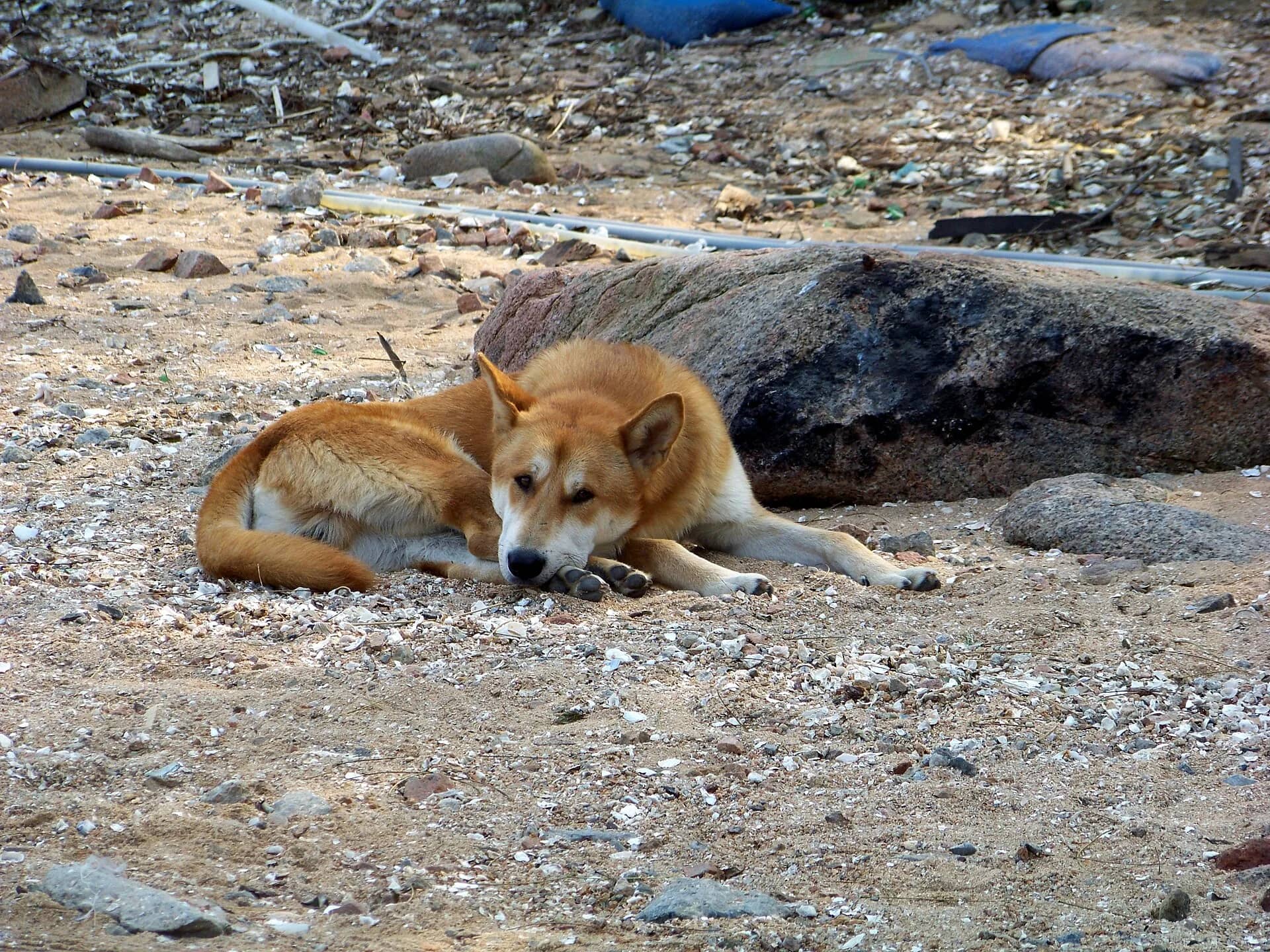
South Korea is close to ending one of its oldest and darkest practices. According to agriculture ministry figures reported by The Korea Times in October 2026, 87 percent of registered dog meat farms have closed, and a full ban on breeding, slaughtering and selling dogs for food takes effect on 7 February 2027. The numbers look like a major win. Behind them, though, is a question animal welfare groups have been asking for months: where did the dogs go?
How the dog meat farms are being shut down
When the government announced the ban in February 2024, 1,537 farms were registered. By 21 September 2026, only 198 were still operating, and the ministry says closures are running about 30 percent ahead of its own projections. In August 2024, the last month in which owners could file closure plans, around 468,000 dogs were kept in cages on these farms. Today, according to the same figures, about 7,600 remain.
The law was passed in January 2024, and the part that actually prohibits the trade applies from February 2027. AFP reports that offenders will then face up to three years in prison. The ministry has announced a special inspection campaign for November and December to catch closed farms that have quietly restarted, and farms that increase their dog numbers or fail to separate males and females face immediate shutdown. Local governments have been asked to draw up care plans for the remaining dogs based on breed, size, age and how well socialised they are.
Money per dog, but no tracking
The hardest part of the story came from an AFP report published in June 2026. The state paid farmers up to 600,000 won (about 390 US dollars) for each dog they "disposed of", yet nobody tracked what actually happened to those animals. A ministry inspector told reporters the agency only checks that the dogs are gone before paying out: "We are not involved in what was done with the dogs."
Figures obtained by a lawmaker showed that by February 2026 just 623 dogs had been adopted and just under 500 sent to shelters. Welfare groups and former farmers believe most of the rest were killed. Ju Yeong-bong, a former dog farmer and pastor, admitted the missing dogs had likely "already been eaten" and called the ban a betrayal, imposed for political reasons without real dialogue with the people who made a living from it.
Why rehoming is so hard
Kim Young-hwan of the group CARE said that if large numbers of dogs had gone into adoption programmes, groups like his would know about it. Over two decades his organisation has rehomed about 2,500 farmed dogs, mostly overseas, and only around two dozen within Korea. That says a lot: farm dogs are usually large, adult and have never lived in a home, which makes them hard to place.
Lawyer Park Joo-yeon, head of the group PNR, points out that dogs were never legally classed as livestock in South Korea, so the farms had no rules on husbandry or slaughter at all. The ban closes a loophole that existed for decades. The ministry calls the end of dog meat consumption "a crucial turning point" for animal welfare standards, in the words of Lee Yong-jik, head of its animal welfare policy bureau.
What it means for dog owners in Serbia
Dogs are not farmed for meat in Serbia, but the Korean experience carries a lesson that applies everywhere: a ban on its own is not enough without a plan for the animals that already exist. The same question comes up whenever an illegal puppy farm is shut down or a large number of dogs is suddenly removed from poor conditions. Someone has to take them in, and Serbian shelters are already overcrowded.
The second lesson is about adopting adult dogs that have never lived with people. Such a dog can become a wonderful companion, but it needs time. If you are thinking about adopting a dog from a difficult background, keep a few things in mind:
- in the first weeks the dog may be afraid of hands, household noises, stairs or the leash, and that is normal;
- a routine (regular meals, walks and rest) helps it feel safe sooner;
- do not rush contact: let the dog approach you and reward every calm step;
- teach basic skills such as loose lead walking and recall in short, calm sessions.
If the fear does not fade or turns into defensive behaviour, it is worth talking early to a trainer who uses force free methods.
In a few months South Korea will become a country where farming dogs for meat is illegal. Whether the story is remembered as a success will depend partly on what happens to the last few thousand dogs still waiting in cages.
Sources: The Korea Times, 87% of dog meat farms closed ahead of February ban (English), New Straits Times / AFP, Where are they? Dogs disappear before South Korea meat ban (English), South Korean Ministry of Agriculture, statement on farm closures (English)
Photo: bein_korean, CC BY 2.0, Wikimedia Commons
Comments
No comments yet. Be the first.