
Labrador that sniffs out invasive sea species named animal of the year
Sgiath, a former mountain rescue dog, is believed to be the first dog in the world trained to find the invasive sea squirt Didemnum vexillum. IFAW has named her animal of the year.
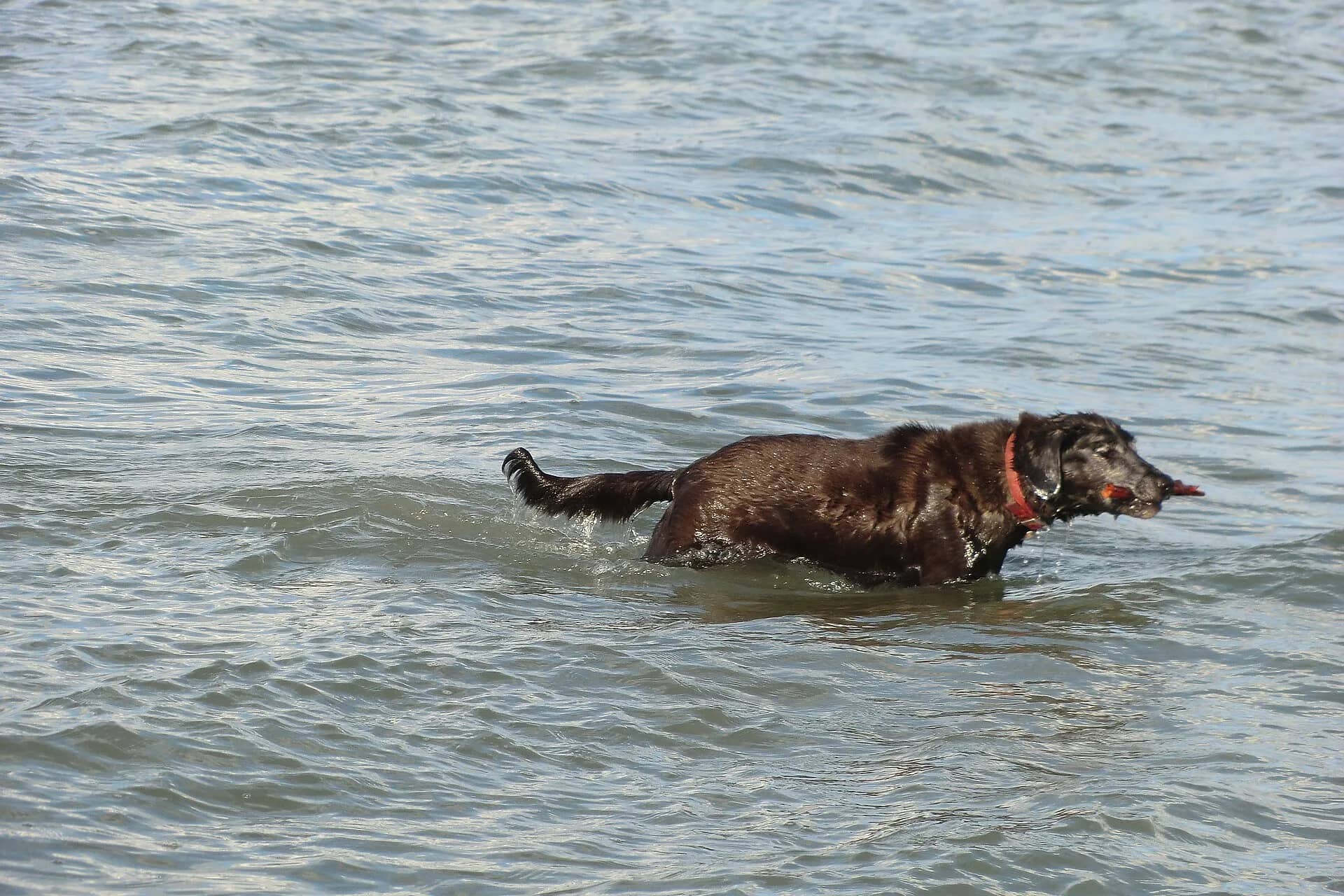
Sgiath, a six year old black Labrador from Scotland, was named Animal of the Year at the International Fund for Animal Welfare (IFAW) Animal Action Awards in London on 15 October 2026. The reason is unusual: she is a Labrador that sniffs out the invasive marine organism Didemnum vexillum, and is believed to be the first dog in the world trained to do so. Her story shows just how far a well trained canine nose can go.
From mountain rescue to the shoreline
According to IFAW, Sgiath was originally trained as a mountain rescue search dog. Her handler is Dr Texa Sim, a marine ecologist originally from Glasgow, now based near Glencoe, who works with Conservation Detection Dogs Scotland. Sim previously managed a community led native oyster restoration project with strict biosecurity rules, so, as she told Countryfile, "it seemed a natural progression to test whether a well-trained ecology dog could detect and locate the species."
What is "sea vomit" and why does it matter?
Didemnum vexillum, also known as carpet sea squirt, "sea vomit" or "sea snot", is a colonial sea squirt that spreads like a mat. Countryfile reports that it quickly covers harbours, oyster farms and other marine infrastructure, smothering native wildlife and threatening aquaculture businesses. Once established, it is difficult and expensive to remove, and warming seas linked to climate change may help it spread faster around the UK. That is why early detection is critical.
How a Labrador that sniffs out invasive species works
Sgiath has been trained to paddle along the coast at low tide and search for the organism by scent. She can find small fragments on boat hulls, fishing gear and ropes. Sim's aim was to test whether a dog could be more efficient than manual surveys of the shore, which are slow and exhausting.
She is not working alone. Uisge, a three year old Labrador who normally finds bat carcasses at wind farms, is learning to recognise the sea squirt's scent and tell it apart from other marine species, and has started field training on the shoreline. Sim is also training both dogs to detect the American slipper limpet, another invasive species recently found in Scottish waters. "They're a talented couple of dogs," she says.
What it means for dog owners in Serbia
Serbia has no coastline, but it does have rivers, lakes and forests, and invasive species are a familiar problem here too. The biggest lesson from this story, though, applies to every dog owner:
- Skills transfer. Sgiath learned the basics of searching in mountain rescue and then applied them to a completely new scent. A dog that has learned how to search picks up new tasks more easily.
- Labradors are born searchers. The breed has an excellent nose and a strong desire to work. A Labrador whose only exercise is a walk around the block is often under employed, and scent games are a great way to give it a job.
- Start small. Home nosework can begin with three boxes and one treat. Once the dog understands the game, you make it gradually harder.
- A calm indication is a skill. Detection dogs learn to mark a find calmly instead of digging or barking. That is a useful exercise in self control for a family dog as well.
If your dog has lots of energy and is always "searching" for something around the house, a chat with a trainer can help you turn that energy into something useful and fun.
A nose in the service of nature
At the same ceremony, held at BAFTA in London, awards also went to people protecting anteaters in Brazil, lions in Zimbabwe and elephants in Zambia. Sgiath was the only four legged winner. Her example shows that dogs today do not just help find people and dangerous substances, they also help protect whole ecosystems, sometimes faster and more precisely than any device.
Sources: Countryfile, Meet Sgiath, the UK's first sea-squirt hunting dog and animal of the year for 2026 (English), IFAW, Animal heroes honoured at IFAW Animal Action Awards 2026 (English)
Photo: Olijven, CC BY-SA 3.0, Wikimedia Commons
From the shop
Products related to this topic.
 %Digital
 Husse
 Husse
Comments
No comments yet. Be the first.