
Why big dogs age faster: the answer may lie in jumping genes
A new study in Science shows large dogs and males age faster at the DNA level. What it means for owners of Great Danes, shepherds and other big breeds.
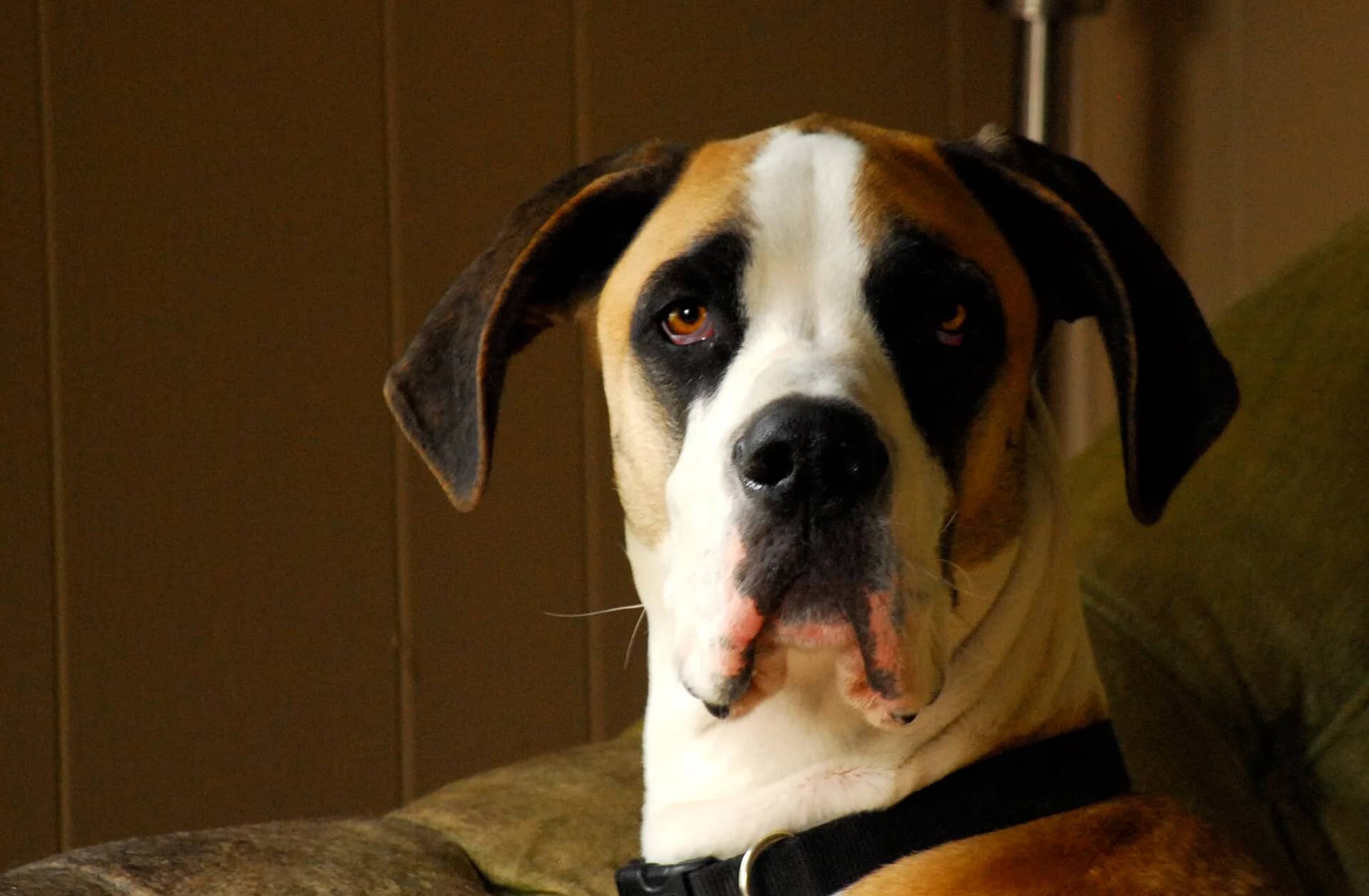
Every Great Dane owner knows the sad fact: big dogs live considerably shorter lives on average than small ones, and small breeds can live roughly twice as long. That is odd, because among many other mammals larger species tend to live longer. A new study published in October 2026 in Science offers part of the explanation: big dogs age faster right down at the level of their DNA, and one possible culprit is the so-called jumping genes.
What the scientists measured
The work was led by Noah Snyder-Mackler and Blaise Mariner of Arizona State University as part of the Dog Aging Project. They analyzed blood from nearly 900 dogs and generated 1,640 DNA methylation profiles. Methylation is a chemical tagging of DNA that helps decide which genes are switched on or off, without changing the genetic code itself. Because these patterns shift with age, they can be turned into an "epigenetic clock" that estimates biological age. The clock this team built also predicted the risk of death in dogs.
The main findings
- Epigenetic aging is fastest early in life. The biggest changes happen while a dog is young.
- Larger dogs age faster at the molecular level. They lose methylation more quickly in parts of the genome called transposable elements, or jumping genes.
- Males age faster than females. In males the changes are especially marked on the X chromosome.
- Size and sex work through different routes. The authors say these two factors, both linked to a shorter life, appear to shape aging through partly distinct mechanisms.
Jumping genes and why big dogs age faster
Transposable elements are stretches of DNA that can copy themselves and move around the genome. One type, LINE1, is normally kept in check by methylation, because unchecked activity can damage DNA. According to the study, more than 40 percent of the LINE1-related parts of the genome lose methylation as a dog ages, and the decline is faster in larger dogs: on average they lost 35 percent more LINE1 methylation than smaller dogs.
"Faster aging in larger dogs may be driven, at least in part, by reduced control over these elements," Mariner explains. Snyder-Mackler adds that "targeting these elements or the mechanisms that regulate them could be a promising avenue for future therapies."
Caution is in order. The study shows an association, not cause and effect: it is not yet clear whether LINE1 activity actually drives aging. The authors themselves choose their words carefully, and the links to immune changes and genomic instability are their interpretation, not established fact.
What it means for dog owners in Serbia
Large breeds are very popular in Serbia, from German shepherds and Labradors to the native Šarplaninac, and there are plenty of big mixed breed dogs too. The study offers no cure, but a few messages are practical:
- A big dog gets "old" sooner. If you have a large dog, expect senior dog concerns (joints, heart, tumors, reduced mobility) earlier than the owner of a small dog would. Regular preventive vet checks are especially worthwhile.
- Early life matters. Since epigenetic aging is fastest in young dogs, good nutrition, sensible exercise and healthy growth in puppyhood make sense from this angle too.
- Body weight is something you can control. You cannot change genes, but you can manage weight. Dr. Kate Creevy, chief veterinary officer of the Dog Aging Project, gave exactly this advice in connection with a related study on biomarkers of mortality: a healthy diet, a healthy body weight and preserving mobility and cognitive health. "What's good for us is probably good for them," she says.
- Mental activity counts. Learning new skills, sniffing games and regular training keep a dog engaged into old age.
Why this matters for people as well
Dogs share their owners' surroundings, diets and habits, yet live far shorter lives, so aging can be followed much faster in them. That is why researchers see dogs as a valuable model for understanding aging in general. In their paper the authors describe companion dogs as a model for uncovering the molecular mechanisms behind differences in lifespan. If jumping genes turn out to be an important part of that story, what we learn from our dogs might one day help both them and us.
Sources: GEN, Epigenetics Underlies Comparatively Accelerated Molecular Aging in Larger and Male Dogs (English), Popular Science, Why large dogs die younger (English), ScienceDaily, Dogs may hold surprising clues to human longevity (English)
Photo: Art & Sarah, CC BY-SA 2.0, Wikimedia Commons
From the shop
Products related to this topic.
 Husse
 Husse
 Husse
Comments
No comments yet. Be the first.