
Reactivity in dogs
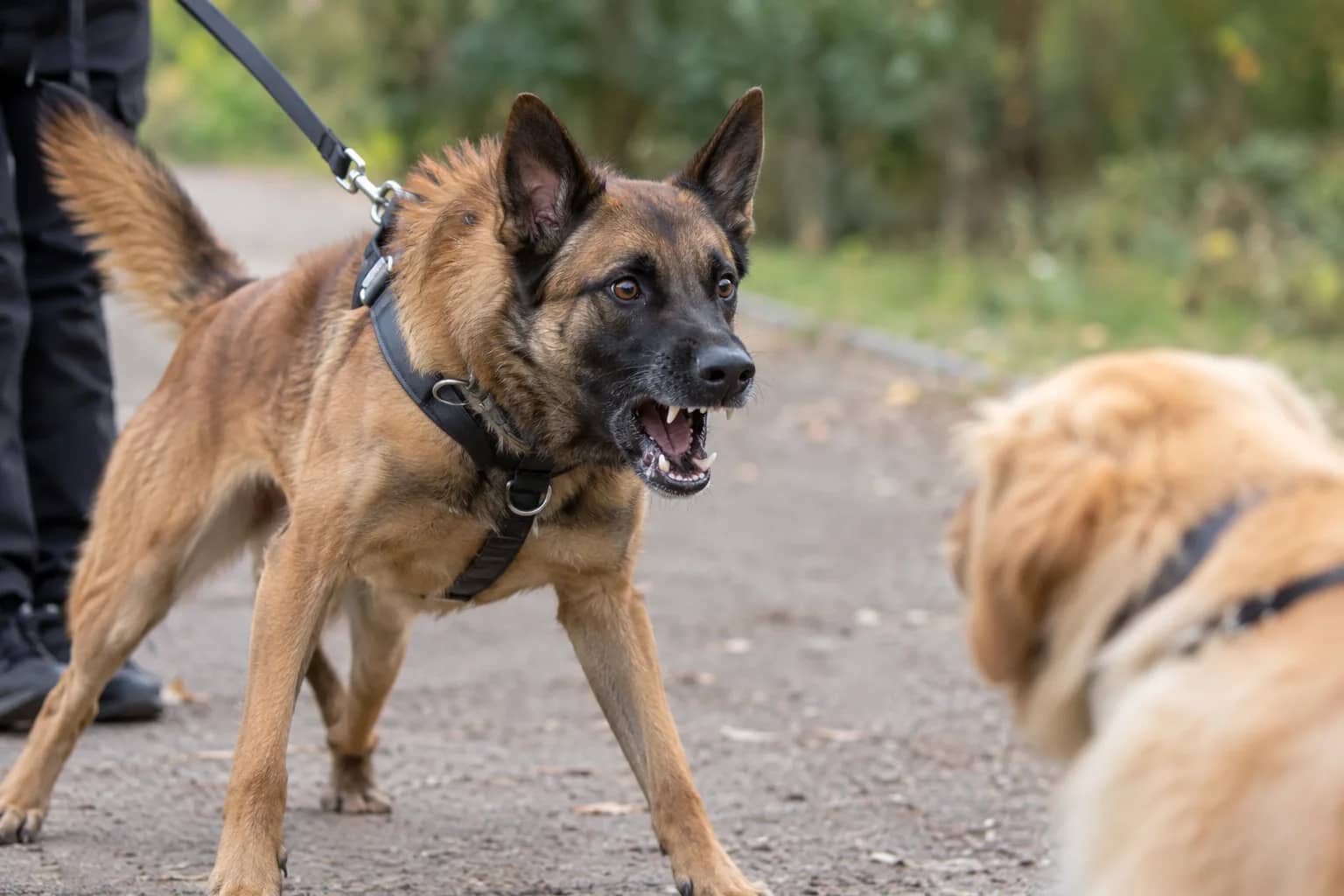
Dogs can become reactive in situations they perceive as unsafe, unpredictable or beyond their control.
Author: Victoria Stilwell
If you live with a dog who shows reactive behaviour, you know how exhausting it can be and how isolated it can make you feel. A dog's reactivity is usually seen as bad behaviour, stubbornness or a lack of training, but in fact reactivity is a dog's way of communicating that something in a given situation is beyond his current ability to cope.
The word “reactivity” is often used to describe a range of dog behaviours:
Barking, lunging or growling on the lead
Spinning, whining or frantic movement
Hiding or trying to escape
Freezing or shutting down completely
Why do dogs become reactive?
Dogs can become reactive in situations they perceive as unsafe, unpredictable or beyond their control. Reactive behaviour is an expression of a dog's emotional or physical discomfort in a particular situation, and the causes include:
A lack of early exposure to different experiences
Pain, illness or hypersensitivity
Previous frightening and frustrating experiences
Too much pressure, introduced too quickly during training
A chaotic environment
How do you recognise reactivity in a dog?
The dog's body is tense and his behaviour is intensely focused on the trigger. At that moment he may bark, lunge, growl or show other behaviours. The dog may appear extremely wary and alert, constantly scanning his surroundings. He may move more slowly, seem distracted or show other signs of stress.
How should you approach the problem?
Understanding your dog's behaviour is key to being able to help him. You must take your dog's problems seriously.
With the right approach, we reduce reactions by keeping the dog right at the edge of what he can handle and then gradually bringing him closer to the triggers. When your dog is uncomfortable, we do not try to convince him that everything is fine by waving treats in front of his nose: the dog learns to put up with uncomfortable situations, but he does not learn to genuinely enjoy them or to move through them with confidence. If he gradually tolerates more and more stress, the progress you make becomes stable. In this way, trust is built between you and your dog, and that trust becomes the foundation for everything else.
From the shop
Products related to this topic.
 %Digital
 Husse
 Husse
Comments
No comments yet. Be the first.