
How to make a dog training plan
Successful dog training does not start with giving commands, but with good planning.
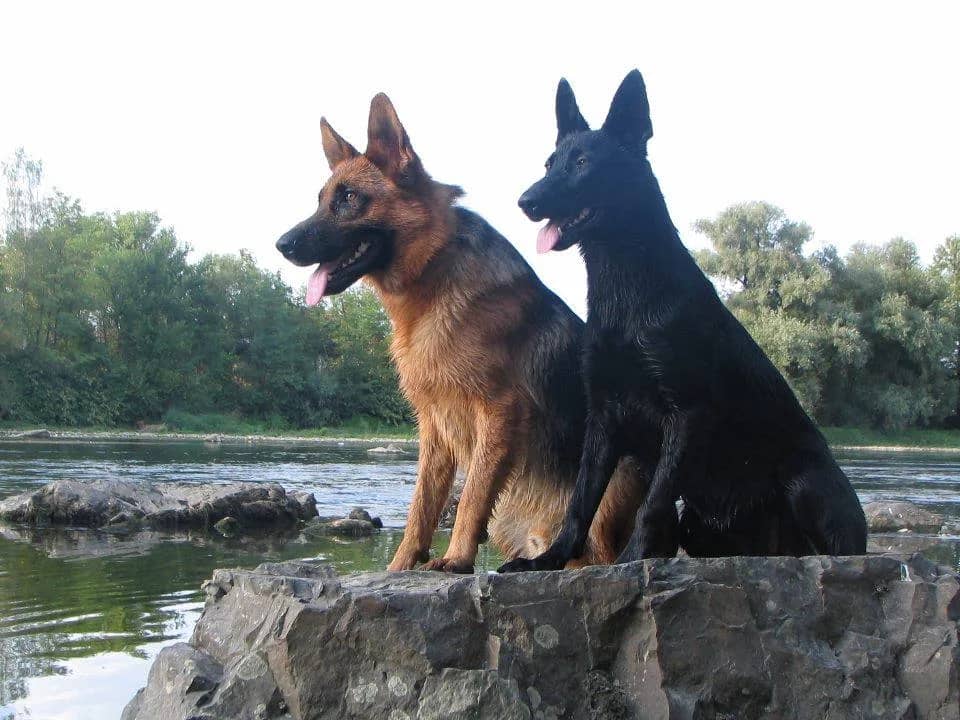
How to make a good dog training plan
10 important rules for successful training
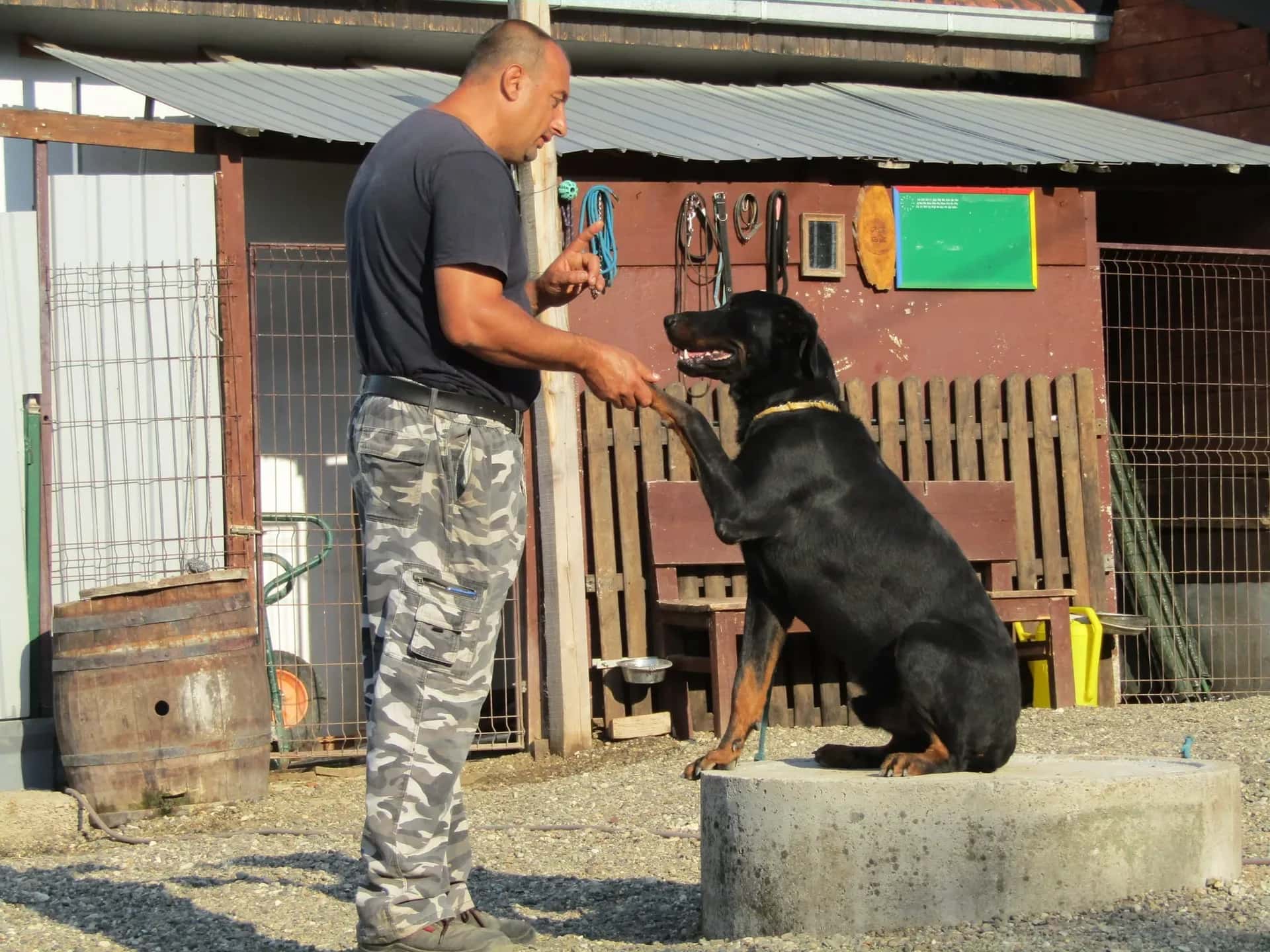
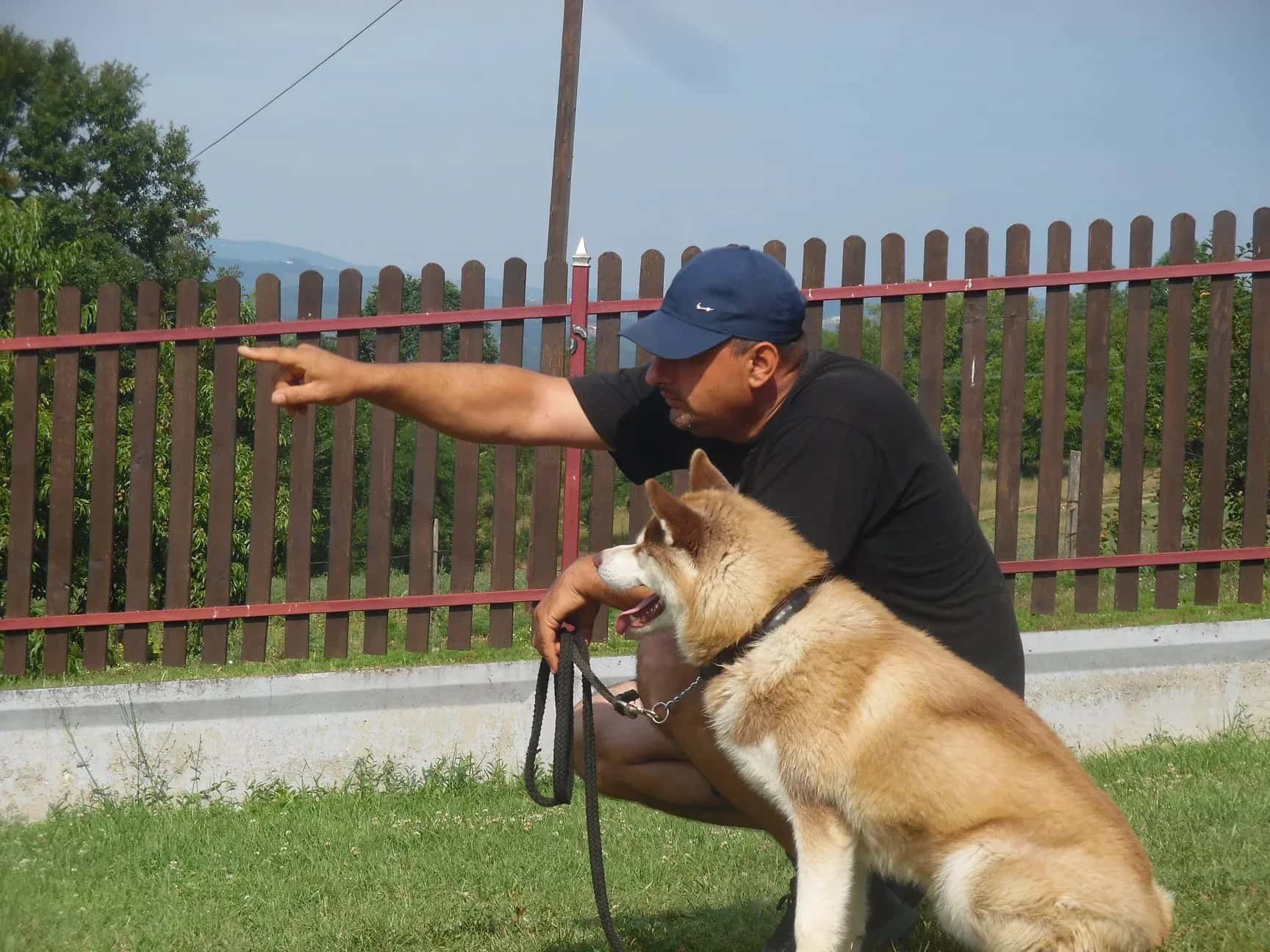
Successful dog training does not start with giving commands, but with good planning. Whether we are teaching a dog to sit, come when called or walk nicely on the lead, it is important to know what we want to achieve and how to help him learn it.
A good plan does not complicate training. On the contrary, it makes it simpler, more effective and more enjoyable for both the dog and the owner.
1. Set a clear goal
Before you start training, you must know what you want the dog to learn. For example, it is not enough for the dog to sit on command; it is also important for him to learn how long he should stay in that position.
2. Teach the dog gradually
Do not try to teach the dog everything at once. Break every more complex exercise down into smaller, simpler steps. Only once he has mastered one step should you move on to the next.
3. Choose a suitable place for training
At first, practise in a quiet space without too many people, other dogs or noise. As the dog progresses, gradually introduce distractions. Adapt the training conditions to his age, experience and abilities.
4. Use rewards correctly
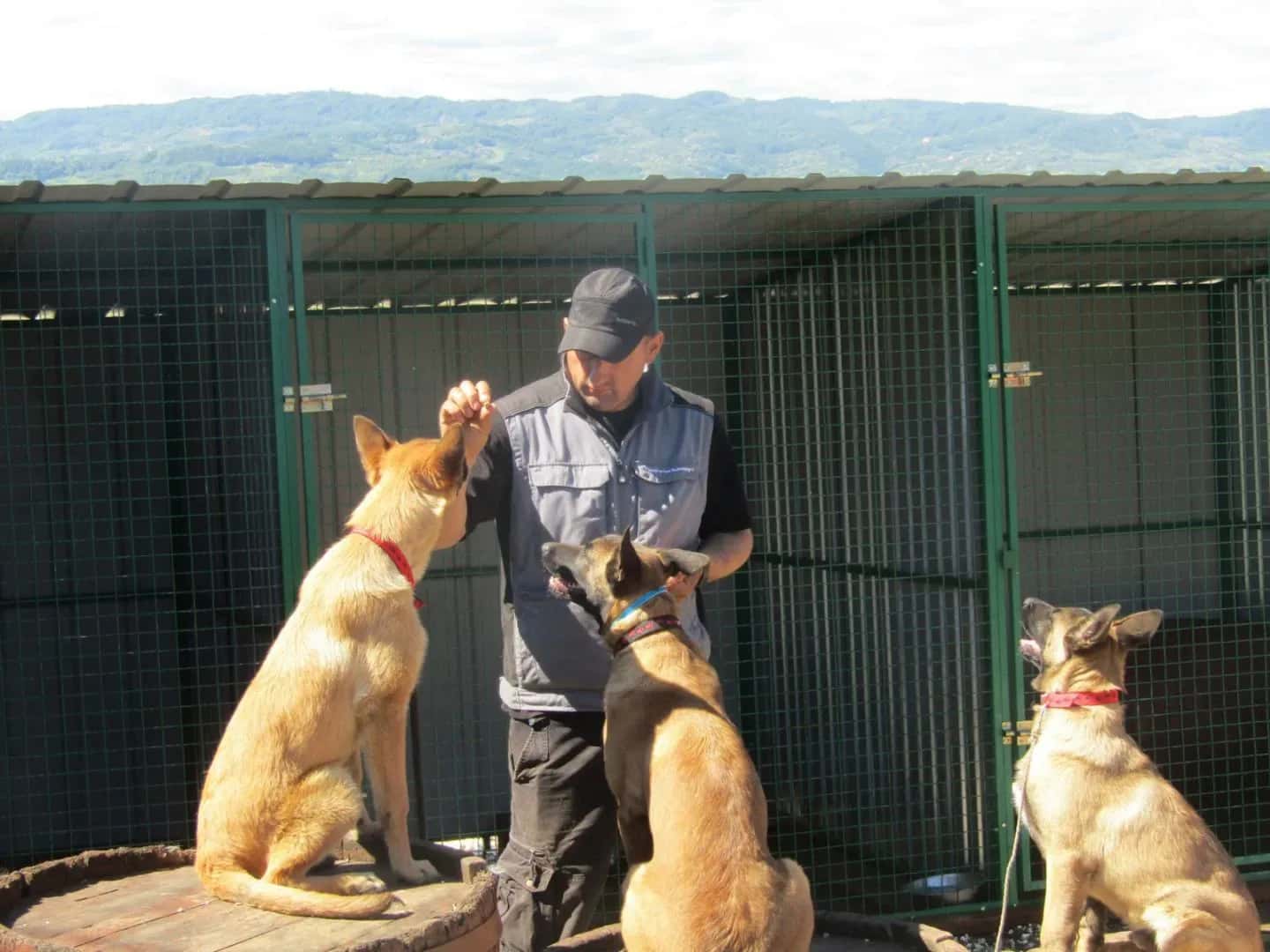
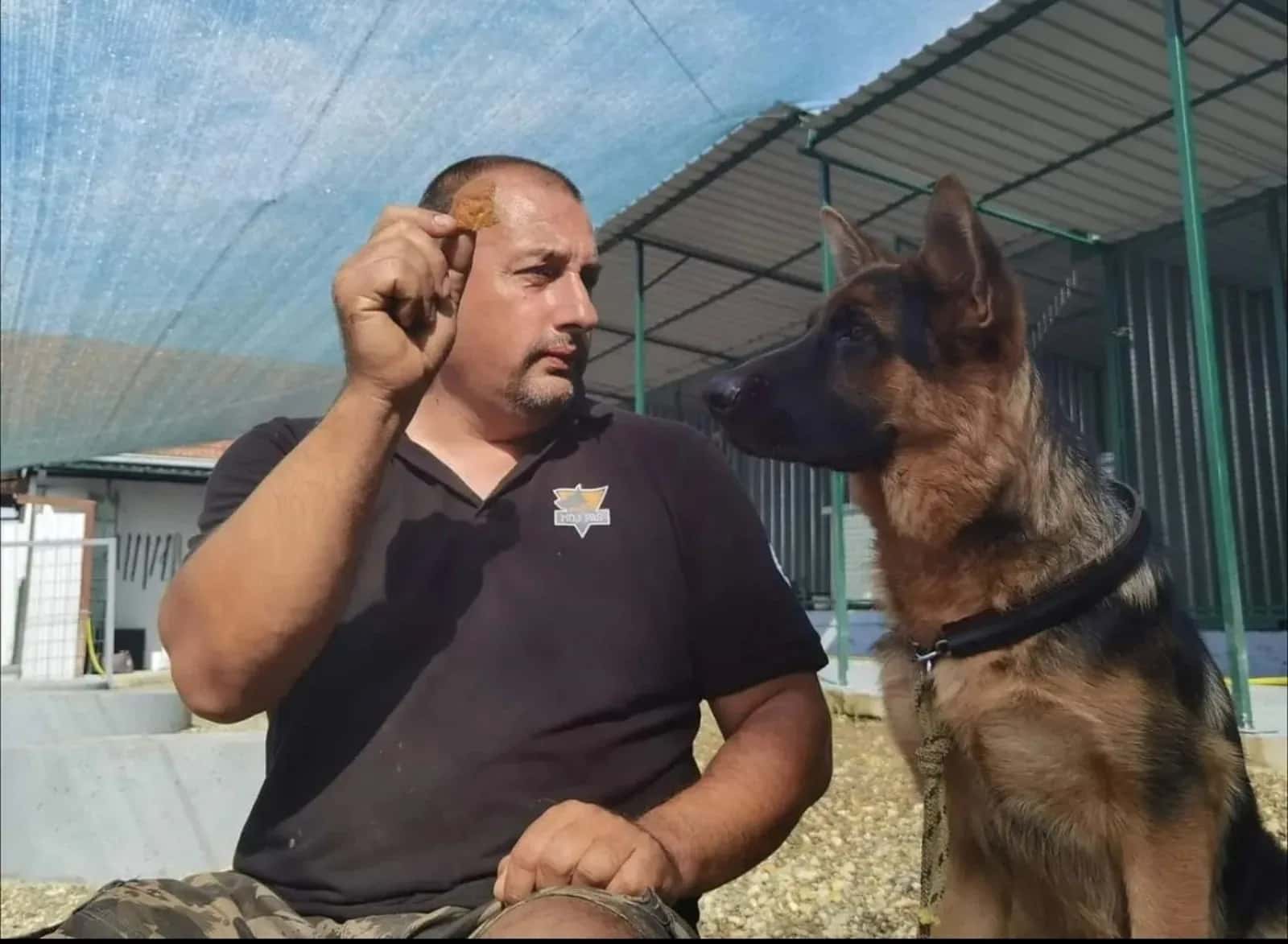
A reward should motivate the dog and help him understand what he did well. It can be food, a toy, a game or praise. It is important that the reward suits the dog and that he gets it at the right moment.
5. Prepare the equipment you need
Before the training session, get ready the lead, collar, toys, rewards and everything else you need. Prepare the dog for work with a short warm-up or simple, familiar exercises.
6. Organise the training space
Decide in advance where you will work, where the equipment will be and where the dog will rest. Good organisation prevents unnecessary interruptions and helps the dog keep his attention.
7. Take regular breaks
A training session should not last so long that the dog loses interest or becomes exhausted. Take short breaks while he is still motivated. It is better to finish an exercise successfully than to keep going until the dog becomes tired and uninterested.
8. Link the exercises into one whole
Moving from one exercise to the next should be calm and organised. A short game, a rest or a simple task can help the dog keep his concentration and be ready to carry on working.
9. Watch the dog's behaviour
Through his behaviour, a dog shows us whether he understands the task and whether he is interested, confused, frightened or tired. If you notice difficulties, adjust the way you work. Take care not to reward unwanted behaviours by accident.
10. Track results and adjust the plan
After every training session, think about what the dog did well and what gave him trouble. Plan the next exercise on that basis. If necessary, go back a step. Progress matters more than speed.
The most important rule of training is that the way you work is adapted to the dog, rather than expecting every dog to learn at the same pace.
Every dog has his own character, abilities, experience and pace of learning. That is why successful training requires patience, consistency, clear goals and proper communication.
The goal is not for the dog to perform a command as quickly as possible, but for him to understand what is being asked of him and to be able to apply the learned behaviour reliably in everyday life.
Good training is not a series of commands the dog has to carry out, but a process in which a person learns how to communicate properly with their dog.
When the dog understands the person, and the person can recognise and understand the dog's behaviour, the conditions are created for successful cooperation, mutual trust and long-term results.
Author: Susan Garrett
From the shop
Products related to this topic.
 Husse
 %Digital
 Husse
Comments
No comments yet. Be the first.