
Adopting an adult dog
Bringing an adult dog into a new home can be a serious, long-term project.
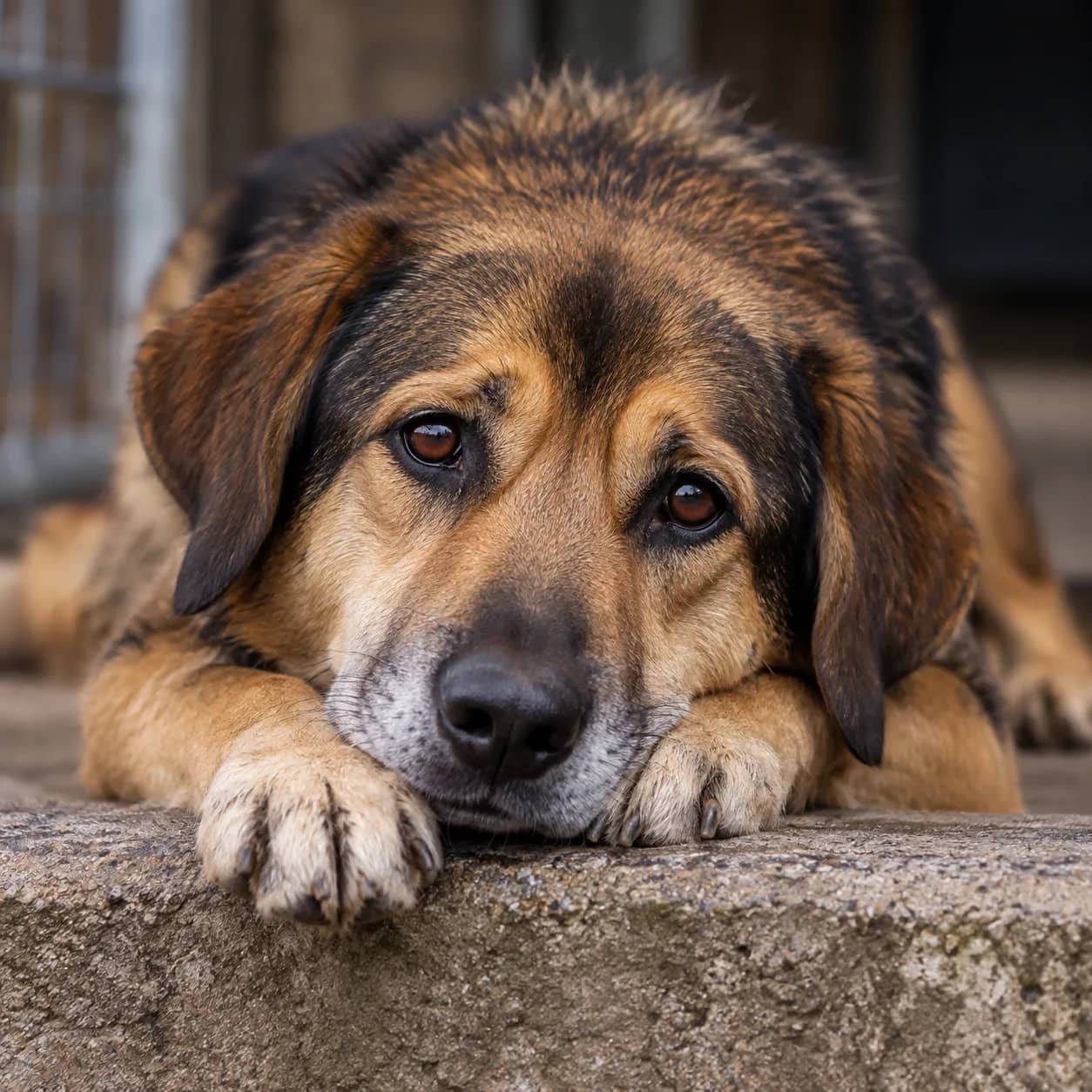
Adopting an adult dog
Author: Dr Ian Dunbar
Adopting an adult dog can be an excellent alternative to raising and training a puppy. On the other hand, bringing an adult dog into a new home can be a serious, long-term project. Adult dogs may be completely problem-free, but they may also have certain behaviour difficulties, bringing with them both good habits and problems they picked up with their previous owners.
Take enough time to find a dog who really suits you, and choose only a dog whose upbringing and needs your family has enough knowledge and capacity to meet. Some dogs from shelters and rescue organisations are purebred, but most are unique mixed breeds.
Some shelter dogs are well mannered, well behaved and friendly, and they simply need a person who will give them a home and attention. Others may have certain behaviour problems, such as house soiling, destructive chewing, excessive barking, hyperactivity and the like, so working with them they need to go through, in practice, the basic education that puppies usually receive.
Some dogs, however, are shy and fearful and need a dedicated owner who is willing to invest time and effort in rebuilding their confidence.
Raising and training a puppy takes a great deal of time and knowledge. A puppy's behaviour is constantly changing, for better or worse, depending on his socialisation and training. In an adult dog, behaviour and temperament are already largely formed. Traits and habits can change over time, but compared with the great adaptability of young puppies, an adult dog's habits are much more resistant to change.
Temperament problems in an adult dog may take longer to resolve, but by the same token the good habits a dog has already acquired can be very stable.
That is why, when adopting a good dog from a shelter or rescue organisation, making the right choice is the most important thing.
Do not rush. Meet several potential candidates and spend enough time with them before you make a decision. Somewhere out there is a dog who will suit you perfectly.
Be patient, choose carefully and be realistic about your choice. Choose with both your heart and your head.
When choosing an adult dog, you need to assess:
whether you like the dog;
whether the dog shows affection towards you and other people;
what his basic behaviour and house manners are like
Mutual affection
All family members should be involved in choosing the dog and should fully agree with the final decision.
It is just as important to check whether the dog accepts every member of the family. Notice whether he happily approaches each member and whether he enjoys being petted, touched and given attention.
Also check how the dog reacts to other people. Watch his behaviour in contact with different people, especially children, men and strangers.
The most important quality in a companion dog is friendliness: the dog should enjoy the company of people and their attention.
If the dog is fearful or shies away from people, it will take time and patience for him to learn that people are not a threat to him.
Before you take the dog home, make an effort to get to know him as well as possible.
To begin with, observe his general behaviour:
Is the area where he is kept clean or soiled?
Does he play with chew toys?
Is he calm and quiet, or hyperactive and barking a lot?
All family members should spend enough time with the dog and get to know him.
Check whether each of them can get his attention, whether the dog comes when called, and whether he can sit, lie down and perform simple actions.
If possible, take the dog for a short walk to see how he behaves on the lead.
Pay particular attention to how he reacts to touch and handling. Gently check how he tolerates having his muzzle, ears, neck and collar, paws and hindquarters touched.
If you notice that some parts of his body are especially sensitive, observe how the dog responds to being gradually and carefully accustomed to touch.
There is little point in bringing into your home a dog that you or your family members cannot safely touch and groom.
A change of environment is an excellent opportunity for the dog to learn new household rules.
First impressions are very important and can affect the dog's behaviour in the long term.
No matter how well the dog has supposedly already learned to live in a house and use chew toys, during the first few weeks teach him clearly:
where he should toilet;
what he is allowed to chew;
how to settle down and stay calm in the house.
At first, the dog will probably be under some stress because of the big changes he is going through. He may seem withdrawn and low in mood, but he may also react in the opposite way, with excessive activity, barking and excitement about his new surroundings.
When left alone, he may become anxious and start barking, chewing things or toileting in the house.
It is very important not to let the dog develop bad habits during the first few weeks.
You can use a short-term and a long-term confinement plan to make it easier to learn proper toileting and chewing, with as few mistakes as possible.
At first, the dog does not need to get all of his food from a bowl. Some of the kibble can be hand-fed by family members, friends and other people as a reward during learning, for toileting in the right place, for creating positive associations and for learning the basic rules of behaviour.
Once the dog gets used to his new surroundings and his new people, he can gradually be given the freedom to move around the whole home.
Many dogs are not sufficiently socialised and can become very fearful in shelter conditions.
Adopting a fearful dog and giving him a home is a great help, but it is important to understand that building his confidence can be a long and emotionally demanding process.
It takes time, patience and knowledge.
From the shop
Products related to this topic.
 Husse
 %Digital
 Husse
Comments
No comments yet. Be the first.