
Norwegian Gunnar Kaasen and his dog Balto
Back in 1925, diphtheria struck an isolated village in Alaska. Because of the extreme cold, the medicine could not be delivered by plane or ship, so the transport of the serum to the town of Nome was organised with the help of mushers (people who drive dog sleds). Around 1,800 kilometres had to be covered in five days. There were several teams, taking turns
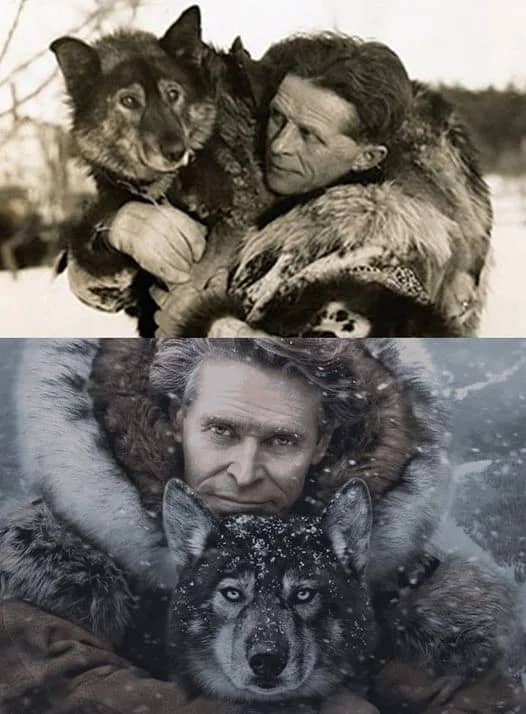
Back in 1925, diphtheria struck an isolated village in Alaska. Because of the extreme cold, the medicine could not be delivered by plane or ship, so the transport of the serum to the town of Nome was organised with the help of mushers (a musher is a person who drives a dog sled). Around 1,800 kilometres had to be covered in five days. There were several teams, taking turns on different sections of the route. The Norwegian Gunnar Kaasen and his lead dog Balto were the ones who brought the serum in. Kaasen had clearly not been wrong in his choice of leader, because when the sled overturned, Balto helped his musher and saved him from certain death. They covered 85 kilometres at a time when the blizzard was at its peak and visibility was extremely poor. Balto is considered a hero, and in 1925 a statue of him was erected in Central Park and films were made about him. He truly was a hero, as were all the other dogs on that mission. Yet the dog that did the hardest part of the job was Togo. The longest stretch (418 kilometres) was covered by Leonhard Seppala, whose team was led by Togo, a twelve-year-old Husky (pictured). Togo was already known for his incredible leadership abilities, which he showed once again in this race. His route, accompanied by whiteout storms, was the longest, including the dangerous stretches of Norton Sound, where he saved his team and driver by bravely swimming through icy waters. The mission was successfully completed and these brave dogs saved an entire village and town. After Sol Lesser, an American film producer, took the dogs to Los Angeles to make the film "Balto's Race to Nome", the dogs disappeared from view, and it seems that nobody was interested in them any more. However, two years later, a man named George Kimble came across Balto and the other dogs in a small museum in Los Angeles. The dogs were starved and in poor condition. To free them he had to pay 2,000 dollars, so he launched a fundraising campaign. Numerous radio stations reported on the campaign, the news spread quickly and in just 10 days enough money was raised to free Balto and the rest of the team. Two years ago the film "Togo" was released, with Willem Dafoe in the leading role.
Comments
No comments yet. Be the first.