
Instinctive drives in dogs
One of the biggest mistakes dog owners can make is to assume that their dogs feel and think like people. As a result, we do not want to discipline or correct our dog's behaviour because we are afraid of hurting their feelings or making them unhappy. The law of nature teaches us that this is not how it works with dogs.
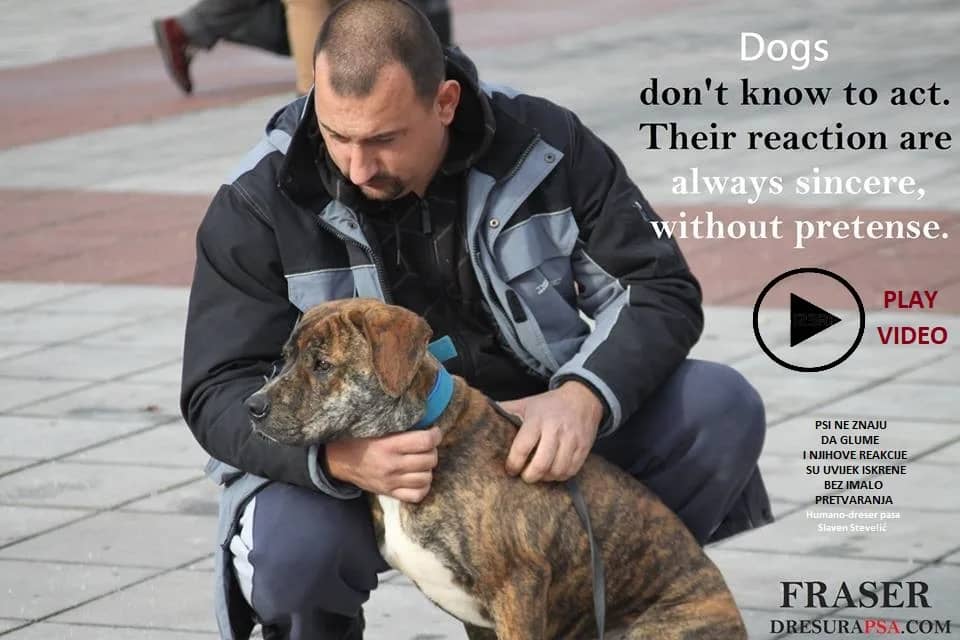
 One of the biggest mistakes dog owners can make is to assume that their dogs feel and think like people. As a result, we do not want to discipline or correct our dog's behaviour because we are afraid of hurting their feelings or making them unhappy. The law of nature teaches us that this is not how it works with dogs.
Dogs do have emotions, of course, but they differ from ours. A dog's emotions exist only in the moment, as a reaction to something that is happening to it right now. Dogs do not mourn the past or worry about the future. They think only about the present: Is what is happening around me friendly behaviour or a threat? Should I fight, run away or avoid the current situation? That is the biggest difference between people and dogs. We constantly switch between our intellectual, emotional and spiritual dimensions. Dogs, however, live exclusively in a world of instinctive reactions, and it is up to us, as pack leaders, to understand that. While dogs react instinctively to the things around them, they are also aware of our emotions, reading our energy. When we are calm and composed, they are calm too. When we are not composed, they sense our unbalanced energy and will instinctively avoid us. In a pack, unbalanced dogs are quickly corrected, and if they do not become balanced, they are rejected. Since they cannot reject us completely, they avoid us until we calm down, and that is when behaviour problems appear. In other words, a dog's negative behaviour is directly tied to human behaviour.
Because dogs are instinctive beings, we cannot correct their behaviour the way we can with children. With children we work on their emotions; with dogs we work through persistence, asserting our will and calm behaviour. With dogs, we have to get in touch with our own instinctive side. That is far more effective than trying to "reason" with your dog or appealing to its feelings or your own. Respect your dog's instincts. Let your dog be a dog, and learn to follow your instincts rather than your intellect.
Comments
No comments yet. Be the first.