
Dog DNA register in Spain: over 80 towns trace owners through poo
More than 80 Spanish municipalities now take DNA from dogs to track down owners who leave poo on the street. How it works, how well it works and why critics object.
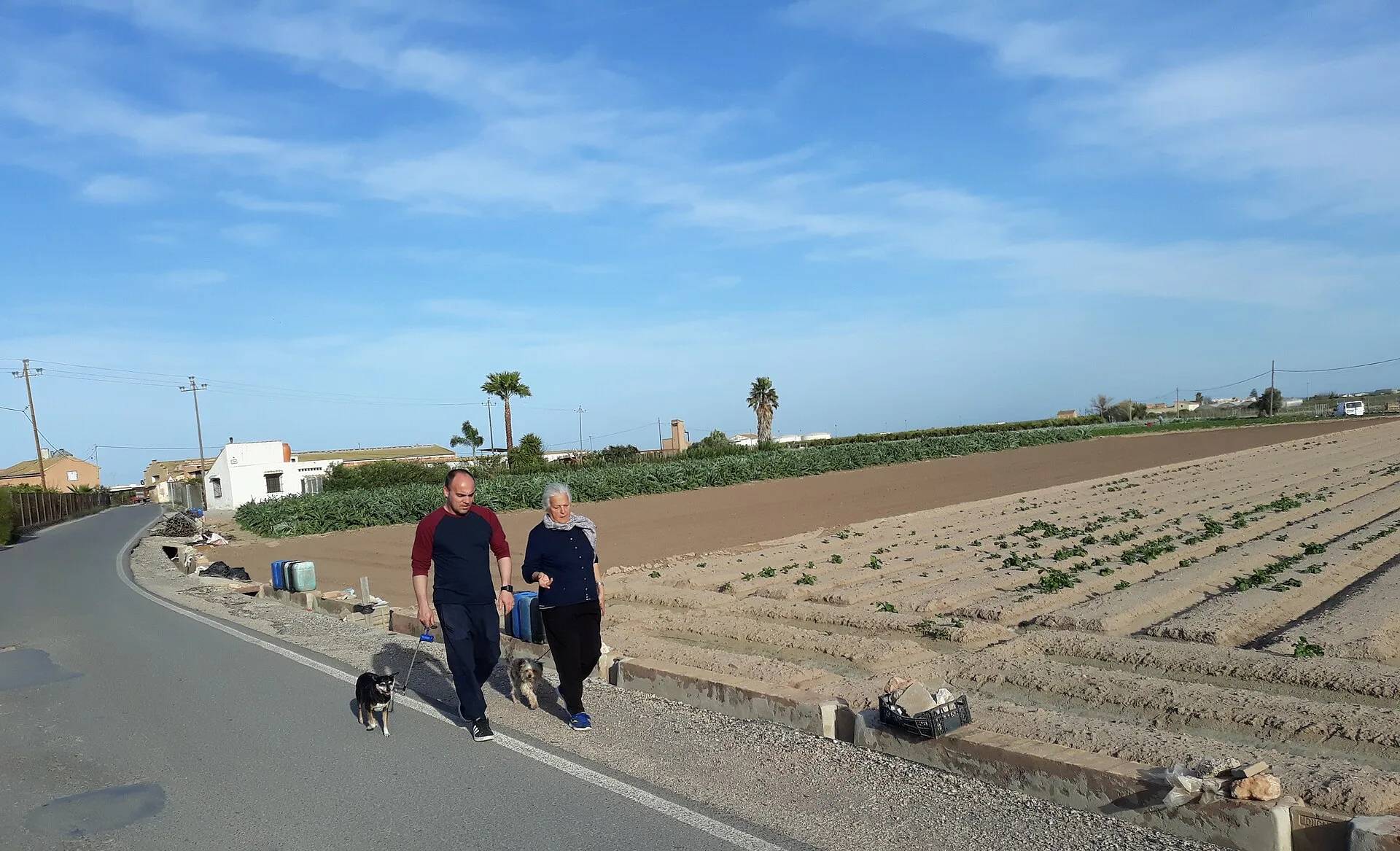
Spain is rolling out a solution that sounds like a scene from a crime drama: the dog DNA register. According to elDiario.es in March 2026, more than 80 municipalities take a genetic sample from every registered dog, then analyse droppings left on the street to identify and fine the owner. The Spanish press calls it "CSI for dog poo". The story is interesting because it shows how a small everyday lapse has become a major urban problem, and also that even clever technology does not work on its own.
How "CSI for dog poo" works
The process is simple. The owner takes the dog to a vet, who collects a saliva or blood sample. It is sent to a lab and stored with the microchip number and the owner's details. When municipal officers or police find droppings on the street, they take a sample, note the location and send it off. If the genetic profile matches one in the database, the council knows whose dog it was and issues a fine.
Journalist Pablo Muñoz Gabilondo, who follows the subject, has counted 87 municipalities in 15 provinces that have introduced or are introducing such a register. By his count, reported by ¡HOLA! magazine, 68 already use it to issue fines and 19 are preparing to. Most are in the provinces of Valencia and Barcelona. Málaga was among the first, in 2018, and the list includes Alcalá de Henares, Tres Cantos, Benalmádena, Paterna, Mislata and Cornellà de Llobregat. The latest large city to join is Tarragona.
Does it actually work?
The evidence is mixed. According to ¡HOLA!, the town of Xàtiva, seen as the pioneer, reports a drop of close to 80 percent in abandoned droppings, based on the council's own figures. In Caldes de Montbui, a town of 18,000, councillor Jordi Martín Forns says there is "much less" dog mess on the streets, although samples are not taken every time but in quarterly sweeps of problem areas, with fines between 150 and 300 euros.
Technically, labs manage to obtain a genetic profile from the vast majority of samples. Óscar Ramírez, director of the company Can Identification, says 15 to 20 percent of samples are contaminated with other animals' faeces. Fines usually range from 60 to 600 euros, depending on the local ordinance.
Criticism of the dog DNA register: costly and incomplete
The system also has serious critics. Gonzalo Moreno, now president of Spain's General Council of Veterinary Colleges, wrote an unfavourable report back in 2018: in his view the cost is too high for the results, the chain of evidence is hard to guarantee, and tourists' dogs, dogs from other towns and unregistered dogs stay outside the system. Muñoz Gabilondo adds that the measure only works if the council keeps enforcing it, since some announce it and drop it the following year. "We don't want the just to pay for the sinners," he says, referring to responsible owners who pay for the test and always clean up. In Haro, in La Rioja, residents even collected signatures against a genetic census of dogs.
What it means for dog owners in Serbia
In Serbia too, uncollected dog mess is one of the most common complaints neighbours have about dog owners, and cities have their own pet keeping rules that include fines. The Spanish story shows that fines and technology help, but the cheapest and best solution is habit:
- keep bags on the lead in a holder so you never forget them;
- pick up on grass and in parks too, because that is where children and other dogs play;
- regular walks at the same times help your dog toilet predictably, which makes cleaning up easier;
- teach a puppy to toilet in spots that are easy to clean, rewarding it right afterwards.
Every owner who cleans up is defending the reputation of all dogs in town. The cleaner the streets, the less resistance there is to dogs in parks, cafés and apartment buildings.
Technology as a warning
Spain is unlikely to be the last country to try this. Still, supporters and critics agree on one point: a DNA register is above all a deterrent, not a way to fine everyone. Real success is when owners pick up not because someone is watching, but because they know it is part of caring for a dog.
Sources: elDiario.es, El 'CSI' de las cacas de perro: más de 80 ciudades rastrean el ADN de las heces en la calle (Spanish), ¡HOLA!, El 'CSI de los perros' ya funciona en España (Spanish)
Photo: Pacopac, CC BY-SA 4.0, Wikimedia Commons
Comments
No comments yet. Be the first.