

Chernobyl dogs have developed a SUPERPOWER: unusual findings surprise researchers
All these findings could suggest that the Chernobyl Exclusion Zone may once again be fit for life. Dogs living near Chernobyl, where the nuclear disaster took place in 1986, have developed a new superpower: they are immune to radiation, heavy metals and pollution. Scientists collected blood samples from 116 stray dogs living in the Exclusion Zone, and
All these findings could suggest that the Chernobyl Exclusion Zone may once again be fit for life.
Dogs living near Chernobyl, where the nuclear disaster took place in 1986, have developed a new superpower: they are immune to radiation, heavy metals and pollution.
Scientists collected blood samples from 116 stray dogs living in the Exclusion Zone, and then established that there are two distinct populations among them, both genetically different from dogs in the surrounding areas.
This suggests they have adapted to the toxic environment and explains why they have continued to thrive in this wasteland.
Experts are now trying to find out how they developed this genetic superpower, which could help in understanding the health consequences of living in an area with various pollutants, not only for animals but for humans too.
As a reminder, the nuclear accident happened on 26 April 1986 in northern Ukraine, when one of the reactors of the nuclear power plant in Pripyat exploded. Residents were evacuated from Chernobyl and the surrounding areas to escape the enormous levels of radiation. Since then the area has been known as the Exclusion Zone.
Since nobody lives there any more, apart from a few individuals, wildlife has been able to flourish. Although it is a highly radioactive zone, stray dogs have lived there for years, and scientists now know why.
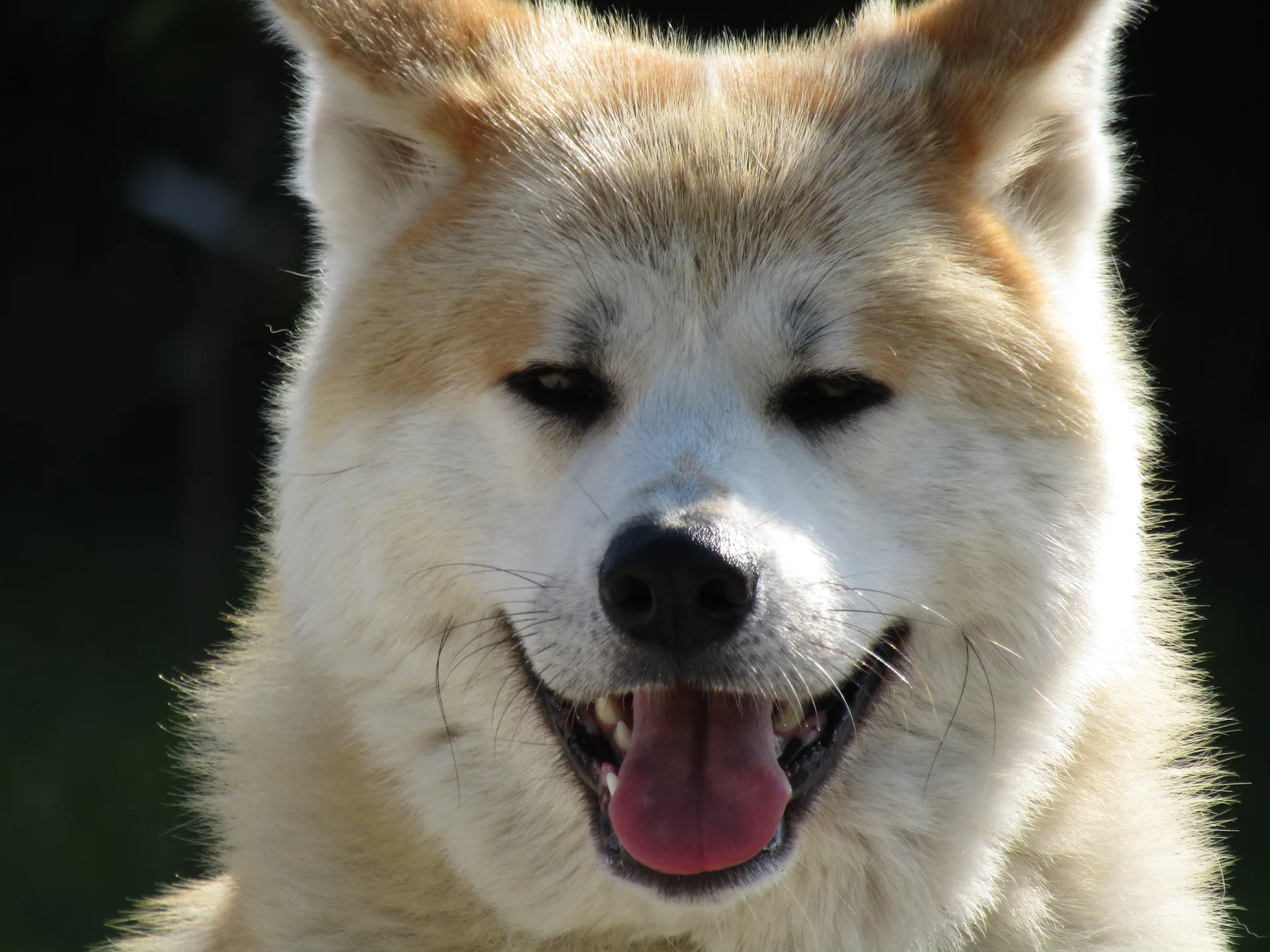
There are around 900 of them in the Exclusion Zone, and most are descendants of pets that residents had to leave behind during the mass evacuation.
Disasters that pollute or destroy habitats can force nature to adapt to the changed conditions.
Scientists took blood from the dogs during sterilisation and vaccination, in a programme carried out in 2018 and 2019.
The blood samples were then shipped to the USA for analysis. DNA extraction showed that the Chernobyl dogs have a unique genetic structure.
The researchers found almost 400 "outlier loci", that is, genomic locations that show behaviour and patterns markedly different from the rest of the genome.
They then identified 52 genes linked to those outlier loci, which are said to "potentially be associated with exposure to environmental pollution at the nuclear power plant", according to the study published in the journal "Canine Medicine and Genetics".
In other words, the contaminated environment in which the dogs lived caused genetic mutations that were passed on from generation to generation, ultimately leading to their adaptation to the harsh conditions.
However, these stray dogs are not the only Chernobyl animals to have developed "genetic superpowers".
It was previously established that mutated wolves are resistant to cancer-causing radiation, and changes have also been observed in frogs, horses and worms.
All these findings could suggest that the Exclusion Zone may once again be fit for life.
(EUpravo zato/Daily Mail)
Comments
No comments yet. Be the first.