
Losing a dog hurts the same, however the dog dies
Two new US studies on dogs' final days show owners feel the same grief and guilt after euthanasia and after a natural death, and often struggle to tell pain from old age.
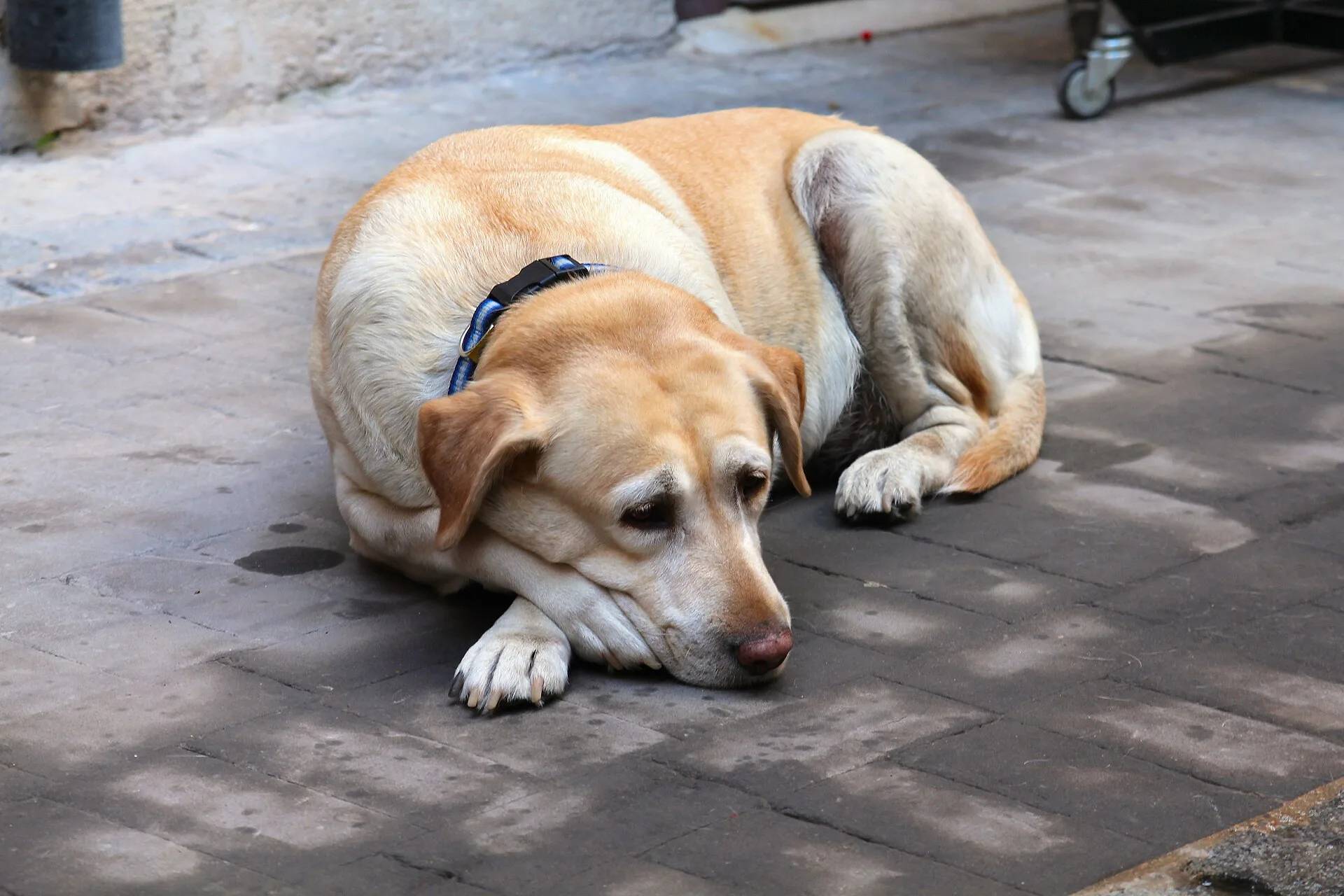
We rarely talk about the death of our dogs, even though every owner faces it sooner or later. Two studies published in March 2026 in the Journal of the American Veterinary Medical Association look squarely at that moment: how owners see their dog's last days and what they feel afterwards. The main conclusion is simple and important. Losing a dog hurts just as much whether the dog was put to sleep or died on its own. As one of the authors, Dr. Jake Ryave of Texas A&M University, put it: "Loss is loss regardless of how it happens."
Where the data come from
Both studies draw on the End of Life Survey from the Dog Aging Project, a large US study of canine health and aging. Owners whose dogs had died answered questions about the cause and manner of death, the reasons for euthanasia, quality of life near the end, signs of old age, veterinary care and what the vet had told them about the prognosis.
The first study was led by Dr. Kellyn McNulty. Of 655 responses about dogs that died between December 2019 and March 2021, 646 were included. The second, led by Dr. Ryave, analyzed owners' free-text answers and compared the experiences of owners whose dogs were euthanized with those whose dogs died unassisted.
Why owners choose euthanasia
The most common reason was the dog's pain and suffering, followed by poor quality of life and a poor prognosis. The signs of suffering owners mentioned most often were:
- vocalizing (whining, groaning, barking for no clear reason);
- changes in mobility;
- subtle changes in facial expression.
The study also uncovered a weak spot: some owners find it hard to tell pain apart from the normal changes that come with age. A notable share of owners also said the prognosis was not discussed during late-life vet visits, or that they did not fully understand it. "Owners' perceptions and subsequent actions directly impact medically relevant data, including cause and manner of death," says Dr. McNulty.
Losing a dog: the same grief, the same guilt
Many people would assume a sudden death is harder, since the owner has no time to prepare. The data do not show that. There was no significant difference in reported emotions between the two groups: grief, guilt and blame turned up at similar rates. Sudden death was, unsurprisingly, mentioned more often among dogs that were not euthanized. Many owners also used their answers to share happy memories of their dogs.
"The human-animal bond is really strong, and regardless of how a pet passes, that bond doesn't change," Dr. Ryave said. The authors recommend that vets offer grief support to every client who loses a pet, not only to those who chose euthanasia.
What it means for dog owners in Serbia
In Serbia, grieving a pet is still something people talk about quietly, and organized support for owners who have lost a dog is almost nonexistent. That makes these findings worth knowing:
- Learn the signs of pain in an older dog. Stiffness getting up, avoiding stairs, whining, panting at rest, a changed facial expression and withdrawal are not "just old age". If you notice them, see your vet, because chronic pain can often be eased.
- Ask about the prognosis and make sure you understand it. Don't hesitate to ask what to expect, how much time there may be and how you will know quality of life has become poor. Write the answers down.
- Keep track of quality of life. A simple diary helps: is the dog eating, moving, still enjoying favorite things, having more bad days than good ones?
- Guilt is normal. The study shows it is felt both by owners who made the decision and by those who never had to. It is not a sign you did something wrong, but a sign that you loved your dog.
- Give yourself room to grieve. Talking with family, with friends who have dogs or with a vet who knew your dog can help a great deal.
The bottom line
These studies offer no easy answer to the hardest question an owner can face, but they lift part of the burden: there is no "right" way to lose a dog that would hurt less. What an owner can do is recognize pain in time, talk openly with the vet about the prognosis and make the dog's last days as peaceful as possible.
Sources: Phys.org, Studies offer insight into how owners experience pet loss (English), dvm360, Studies investigate how clients experience pet loss (English)
Photo: Marek Ślusarczyk ( Tupungato ) Photo portfolio, CC BY 3.0, Wikimedia Commons
From the shop
Products related to this topic.
 Husse
 Husse
 Husse
Comments
No comments yet. Be the first.