
A free ride on four paws: how dogs and cats spread invasive flatworms
French scientists found that dogs and cats carry an invasive flatworm from garden to garden on their fur. Here is how it was discovered and what it means.
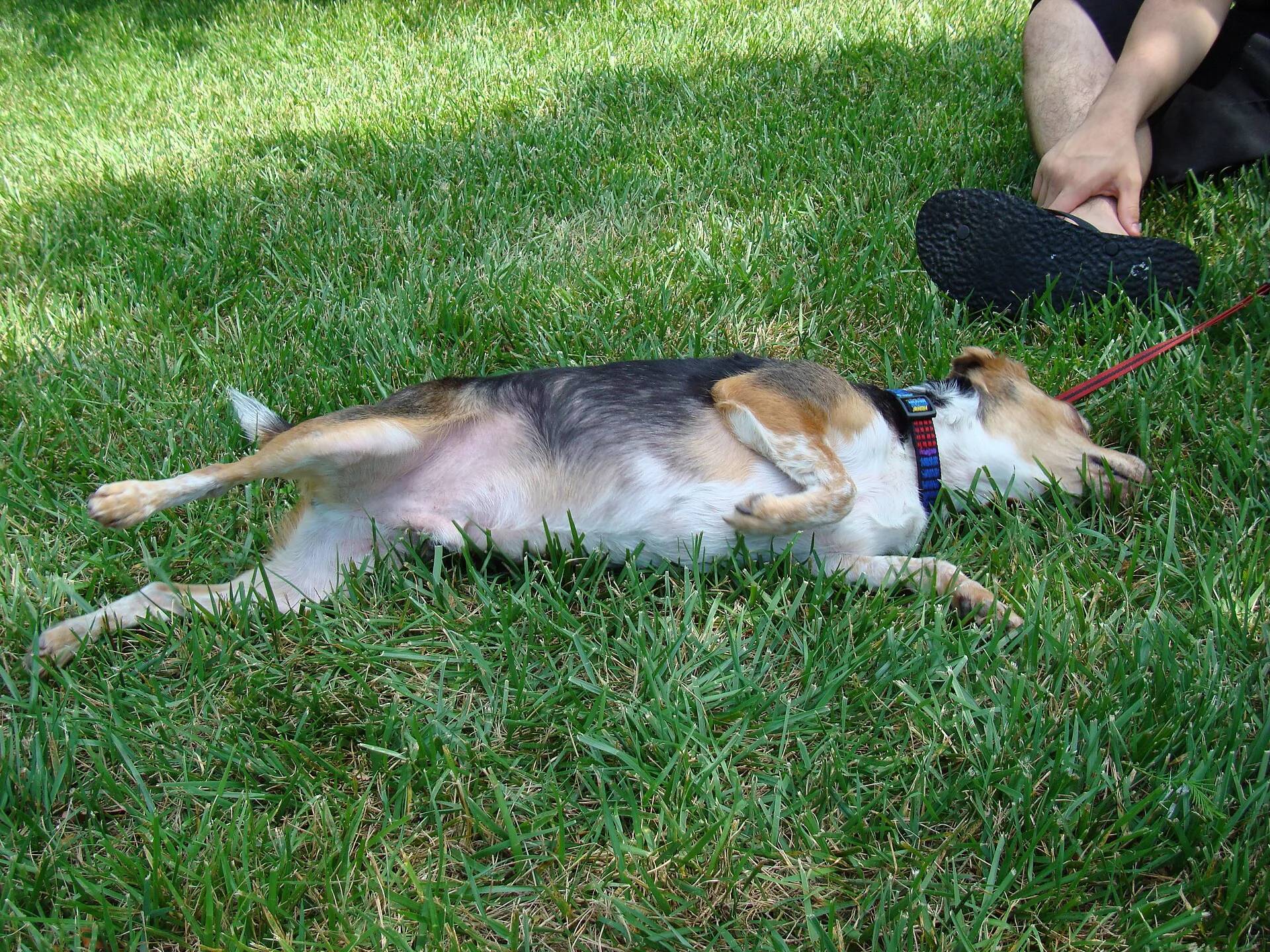
When a dog rolls in the grass, it is having the time of its life, and the owner later picks leaves and seeds out of its coat. French scientists have now shown that a much stranger passenger sometimes hitches a ride. In a study published on 10 February 2026 in the journal PeerJ, Jean-Lou Justine of the National Museum of Natural History in Paris and Leigh Winsor of James Cook University in Australia describe how dogs and cats, through no fault of their own, help invasive flatworms move from garden to garden. The authors wrote about the finding for The Conversation, and the piece was picked up by RTBF and Futura Sciences.
A discovery hidden in citizens' emails
For years the authors have run a citizen science project: people across France send them photos and descriptions of land flatworms found in their gardens. When they went back through some 6,500 messages received between 2013 and 2025, they noticed something they had not been looking for. In 15 reports, a worm was stuck to a pet's fur: 13 times on a cat and twice on a dog. Once, a worm turned up on a trouser leg.
Every one of these reports involved the same species, Caenoplana variegata, native to Australia. Between 2020 and 2024, 10 of the 137 recorded sightings of this species, about 7.3 percent, were on pets.
Why this species of invasive flatworms
About ten exotic flatworm species have been introduced to France, but only one travels by fur. The most widespread species in French gardens, Obama nungara from Argentina, was recorded 233 times and never on a pet. The authors believe the difference comes down to diet and mucus. Caenoplana variegata hunts arthropods such as woodlice, insects and spiders, and produces abundant, extremely sticky mucus to trap them. The same mucus easily clings to fur, shoes or trousers.
Another key trait: in Europe this species reproduces by cloning, with no partner needed. A single worm carried into a new garden can start a whole population.
Billions of kilometres on four paws
Flatworms are very slow and cannot get far on their own. Scientists already knew that people move them over long distances: potted plants travel by ship, by truck to garden centres and by car to gardens. What remained unclear was how they cross from one garden to the next. Dogs and cats offer an answer. France has around 16 million dogs and 10 million cats, and the authors estimate that they cover about 18 billion kilometres outdoors each year, roughly 10 billion of them by dogs. Even if only a tiny fraction carry a worm, that is an enormous number of opportunities.
The scientists stress that this is not parasitism. The worm does not feed on the dog or harm it; it simply uses it for transport. This is called phoresy, and it is familiar from plants whose sticky or spiny seeds catch on animal fur.
What it means for dog owners in Serbia
The study covers France, and we have no data on whether this species is present in Serbia. Still, it is a good reminder that a dog brings home more than mud. A few practical habits help, whether the concern is worms, ticks, grass awns or seeds:
- Check the coat after walks through long grass, parks or other people's gardens, especially in dogs with long or curly coats. In Serbia, ticks are a far more common and more dangerous hitchhiker than these worms.
- If you find an unusual, flat, sticky worm, remove it with a tissue or a glove, do not toss it back into the grass, and take a photo. Pictures can be useful to experts who monitor invasive species.
- Teach your dog to stand calmly while you check it. Examining paws, ears and coat is much easier with a dog that is used to being handled. It is a small daily exercise that also pays off at the vet.
The study also shows how much ordinary people's observations matter. The discovery did not come from a lab, but from thousands of emails sent by owners who noticed something odd and took the trouble to report it.
What comes next
The authors are asking for more observations and for research in other countries, since some findings suggest the same thing happens elsewhere, with other worm species. Because only cases people happen to notice get recorded, the real number of rides is probably higher. For dog owners the message is not alarming, but it is fascinating: our dogs are part of the nature around us, more than we tend to think.
Sources: RTBF, Les chiens et les chats transportent les vers plats envahissants de jardin à jardin (French), Futura Sciences, Chiens et chats accélèrent la dispersion d'un ver invasif dans les jardins (French), PeerJ, Cats, dogs, and sticky worms (English)
Photo: Rlevse, Public domain, Wikimedia Commons
From the shop
Products related to this topic.
 Husse
 Husse
 Husse
Comments
No comments yet. Be the first.