
Dog fighting in Serbia
Dog fighting is part of a sad reality, even if it may not seem so because we rarely see it. This sadistic entertainment is just one form of animal abuse; it works in the same way as bear-baiting, cockfighting, bullfighting… People are entertained by provoking and torturing animals they do not see as living beings but as objects without feelings, so
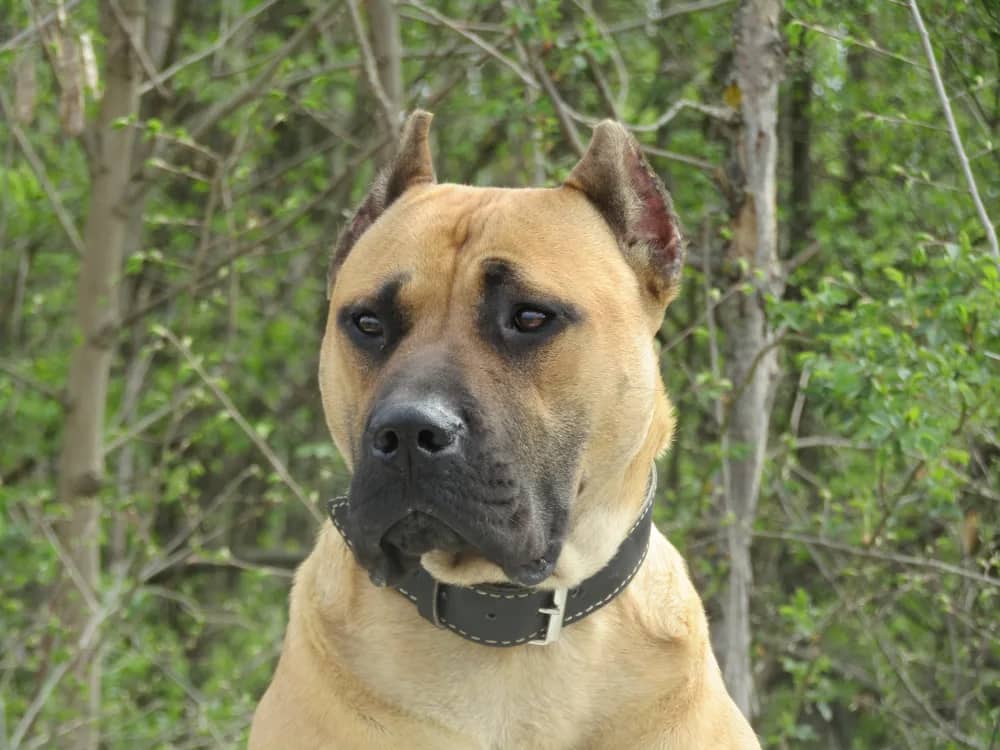
Dog fighting is part of a sad reality, even if it may not seem so because we rarely see it. This sadistic entertainment is just one form of animal abuse; it works in the same way as bear-baiting, cockfighting, bullfighting… People are entertained by provoking and torturing animals they do not see as living beings but as objects without feelings, so that tormenting them is no sin. It is important to learn to recognise the signs that fighting is taking place from the appearance of the animals and the places they are kept, so that we can react when the time comes. Read on to find out what a dog fight looks like, how the dogs are trained and raised, which breeds are used, how to recognise fighting and how and to whom to report crimes against dogs.
How fighting dogs are raised and trained
Dog fighting most likely dates back to the time when dogs were first domesticated. Breeds were crossed to produce a bigger, more aggressive, more combative dog that would defeat its opponent faster and more efficiently and bring glory to its master. The tradition has survived to this day, and probably so has the method of "training" described here. Training for fighting includes the conditioning that comes before the training itself: starvation, isolation from other dogs, tethering the dog on a 10 m chain of heavy metal. The dogs are kept just out of reach of one another to provoke aggression and bloodlust.
Breeders of dogs for professional fights invest a great deal of time and effort in preparing them. The animals live in controlled conditions and exercise on treadmills. Owners often use legal and illegal drugs, doping the dogs to build muscle mass, encourage aggression, increase reactivity and mask pain during a fight. Before a bout, the dogs are practised on weaker dogs, which makes them even readier to attack. Bloodthirsty, hungry and aggressive, they are ready to inflict serious injuries and death on the opposing dog and thus bring their owner a large profit.
https://www.blic.rs/vesti/republika-srpska/masovno-hapsenje-zbog-ilegalnih-borba-pasa/xzpb9j3
What a dog fight looks like
Fights can take place in various locations and at any time, on the street or in a carefully planned and arranged space designed precisely for that purpose. Fights are usually held in a pit measuring 30 cm to 6 m, with sides that may be made of plywood, hay bales, chains or anything that keeps the animals inside. The floor may be wood, earth, sawdust or even carpet.
In an organised fight, the dogs may be additionally weighted so that their weight is close to that of the opposing dog. Safety measures require the dogs to be checked for toxic substances on their coat intended to disable the opponent. At the start of the fight the dogs are released from opposite corners and usually meet in the middle, wrestling and, if they can, grabbing and shaking the other dog. The owners are not allowed to touch the dogs unless told to.
Fights can last from a few minutes to several hours. Both animals may be injured, with puncture wounds, lacerations, blood loss and broken bones. Unless they have done well in previous fights or come from a more important kennel, dogs that lose a fight will be killed so that the owner does not gain a reputation as a breeder of dogs of poor fighting quality. Recovery is very difficult, so it is cheaper to euthanise a dog that has brought no profit, as treatment is expensive. Eighty percent of the dogs are left to succumb to their wounds.
Which breeds are used for fighting
The ideal fighting dog is large, fast, dangerous, aggressive, tolerant of pain and able to put on a big spectacle and bring in as much betting money as possible. For professional and amateur fights, dogs are sold whose parents have significant fighting records.
A large number of breeds are used for fighting around the world, such as the Fila Brasileiro, Dogo Argentino, Tosa Inu and Presa Canario, while in Serbia the Pit Bull, Pit Bull Terrier, Staffordshire Terrier and American Staffordshire Terrier have been recorded. But that by no means implies that these breeds are unsuitable as family dogs or that they are "naturally" aggressive. Any dog can be affectionate and gentle, depending on how it is raised. If a dog is properly socialised and trained, it will grow into a dog that is man's best friend, just like any other breed.
How to recognise the signs of dog fighting
It is important to be able to recognise the signs that identify dog fighting so that you can report it to the police:
- The dogs have many scars, and their ears or lips may have been torn off
- The dogs weigh around 18-22 kg
- The animals are tethered with heavy chains to a tyre, barrel or kennel
- A ring or circle of bare earth has formed around the dog
- The dogs are kept just a few centimetres apart from one another and away from public view
- Body parts that the other dog cannot reach and injure, the tail and ears, are cropped;
(This makes it harder for the other dog to "read" the body language of its opponent, and thus to understand its next move or how it is feeling.)
The legal framework in Serbia (the laws under which dog fighting is punishable here)
Dog fighting (and fighting of all other animals) is covered by the Criminal Code ("Official Gazette of RS", nos. 85/2005, 88/2005, corr., 107/2005, corr., 72/2009, 111/2009, 121/2012, 104/2013, 108/2014 and 94/2016) and the Animal Welfare Act ("Official Gazette of RS", no. 41/2009).
Criminal Code
Under Article 269 of the Criminal Code, "whoever, for gain, organises, finances or hosts a fight between animals of the same or different species, or organises or takes part in betting on such fights, shall be punished by imprisonment of six months to three years and a fine".
Where animal fighting is concerned, the following acts constitute a criminal offence:
- organising fights between animals
- financing fights between animals
- hosting fights between animals
- organising betting on fights between animals
- taking part in betting on fights between animals.
This means that a criminal offence exists if any of the listed acts has been carried out, regardless of whether a fight between animals actually took place in the specific case and whether such fights resulted in injury or death of the animals involved.
Animal Welfare Act
Under Article 7 (paragraph 1, item 22), "it is prohibited to hold fights between animals or between animals and humans, to organise betting, to bet, or to attend animal fights".
Under Article 7 (paragraph 1, item 23) of the Animal Welfare Act, "it is prohibited to keep, breed, train and trade animals, or to make premises, land or material resources available to another person, for the purpose of fights between animals or between animals and humans".
The main difference between the Criminal Code and the Animal Welfare Act is that only organising a fight for gain is considered a criminal offence. Under the Animal Welfare Act, any organising of a fight, attending fights or betting is considered a misdemeanour, whether or not there is any gain.
Who should dog fighting be reported to?
Dog fighting should be reported without delay to the police and the veterinary inspection.
Police
You should report to the police any violation of the Criminal Code ("Official Gazette of RS", nos. 85/2005, 88/2005, corr., 107/2005, corr., 72/2009, 111/2009, 121/2012, 104/2013, 108/2014 and 94/2016), Article 269, paragraph 3: Whoever, for gain, organises, finances or hosts a fight between animals of the same or different species, or organises or takes part in betting on such fights, shall be punished by imprisonment of six months to three years and a fine.
Veterinary inspection
You should report to the veterinary inspection any violation of the Animal Welfare Act ("Official Gazette of RS", no. 41/2009):
- Article 7, paragraph 1, item 22: It is prohibited to hold fights between animals or between animals and humans, to organise betting, to bet, or to attend animal fights, and
- Article 7, paragraph 1, item 23: It is prohibited to keep, breed, train and trade animals, or to make premises, land or material resources available to another person, for the purpose of fights between animals or between animals and humans;
As one form of animal abuse, dog fighting must not be ignored by the competent authorities. We need to become aware of the fact that animals do not exist for human entertainment, and that being in a position of "power" does not mean we should use those weaker than ourselves for personal profit and pleasure. In 2016, 423 criminal complaints were filed in Serbia, but it is devastating that only two of them reached a conclusion. That is why, as with any problem, we need to react as a community and take responsibility for the world around us. If more people react and report misdemeanours and criminal offences, the authorities may take the problem more seriously and respond to the demand, and then prevent the repetition of animal abuse, in this case of dogs.
Author: Tanja Milenković www.orca.rs
Comments
No comments yet. Be the first.