
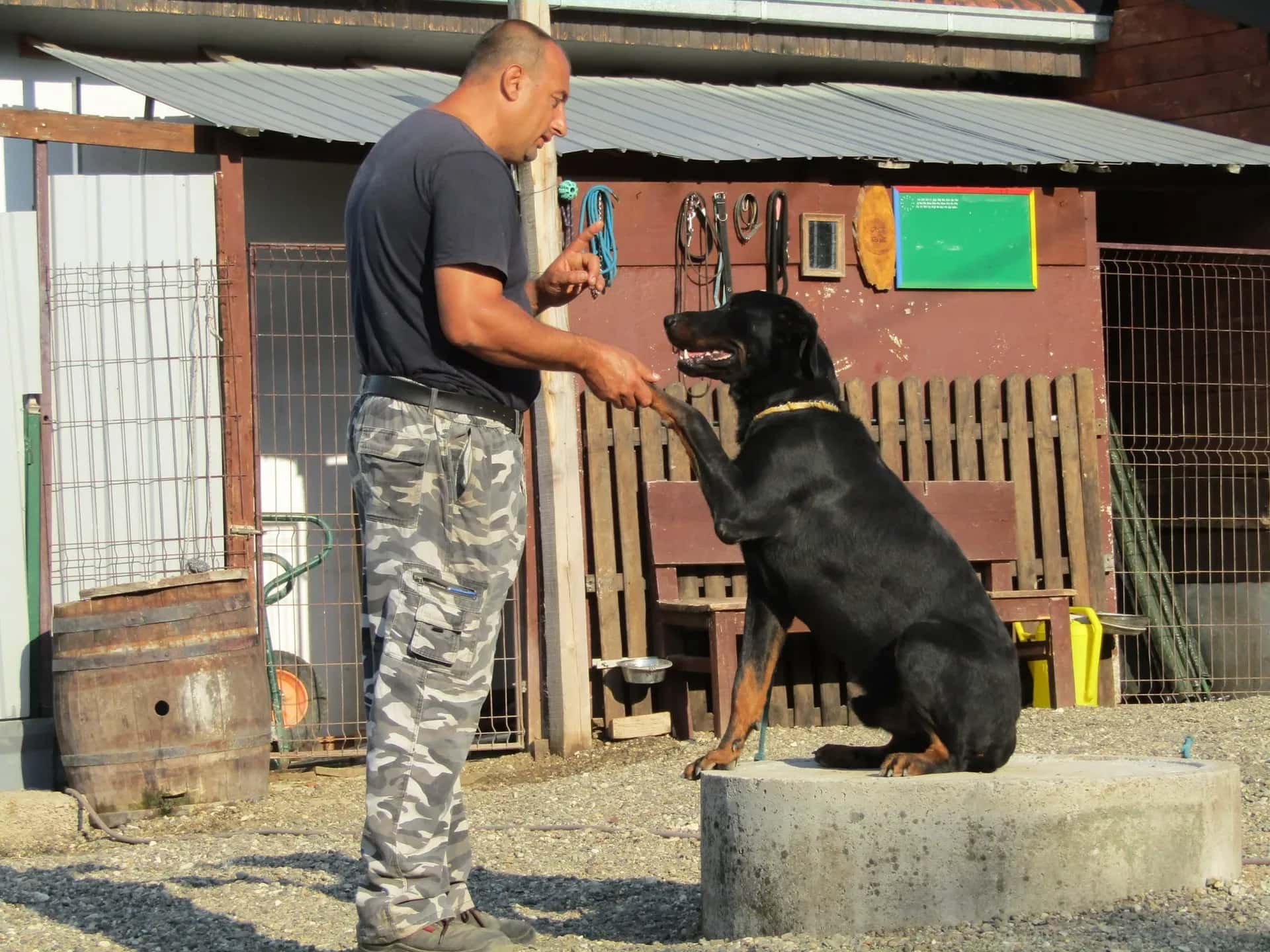
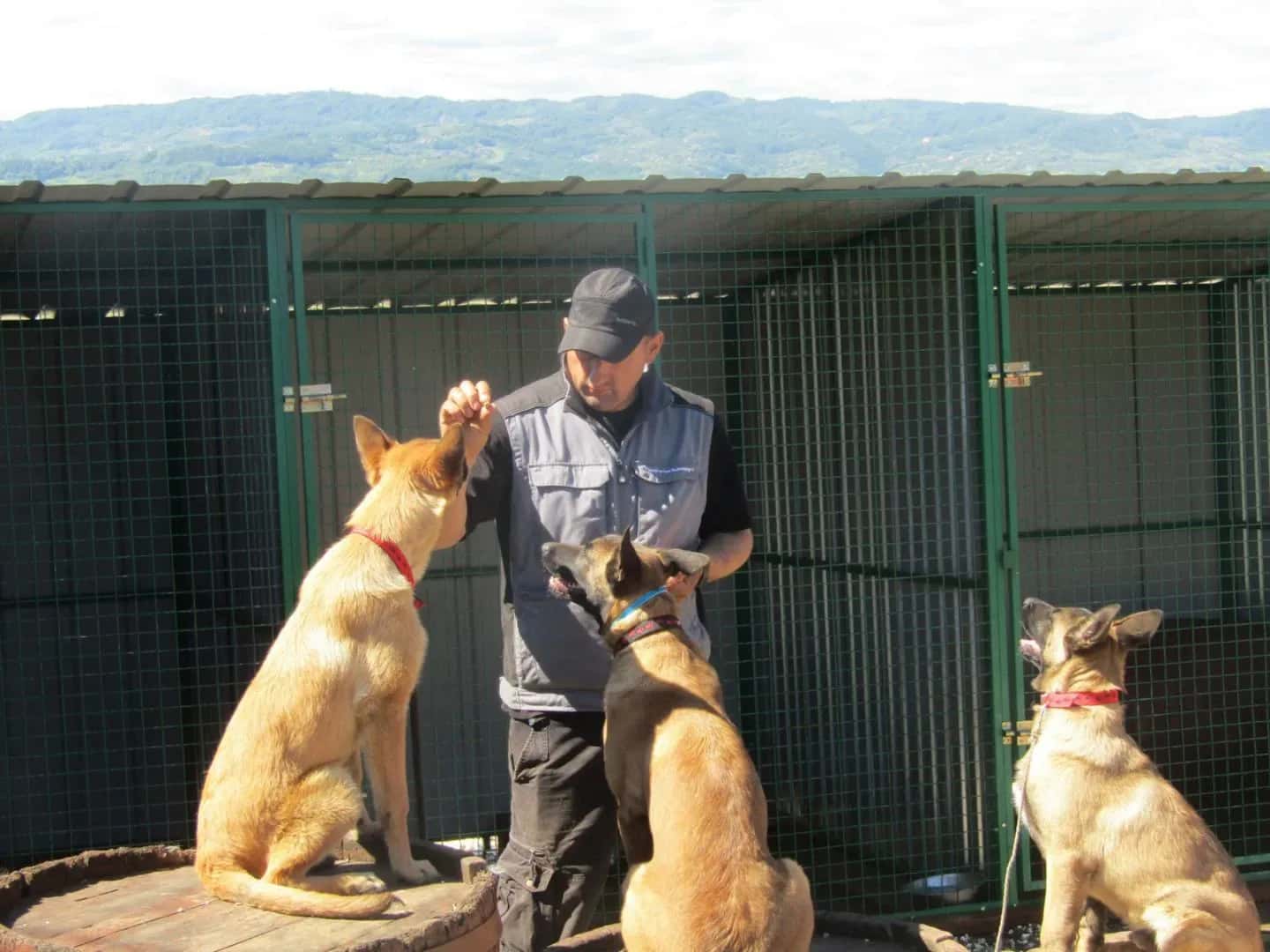
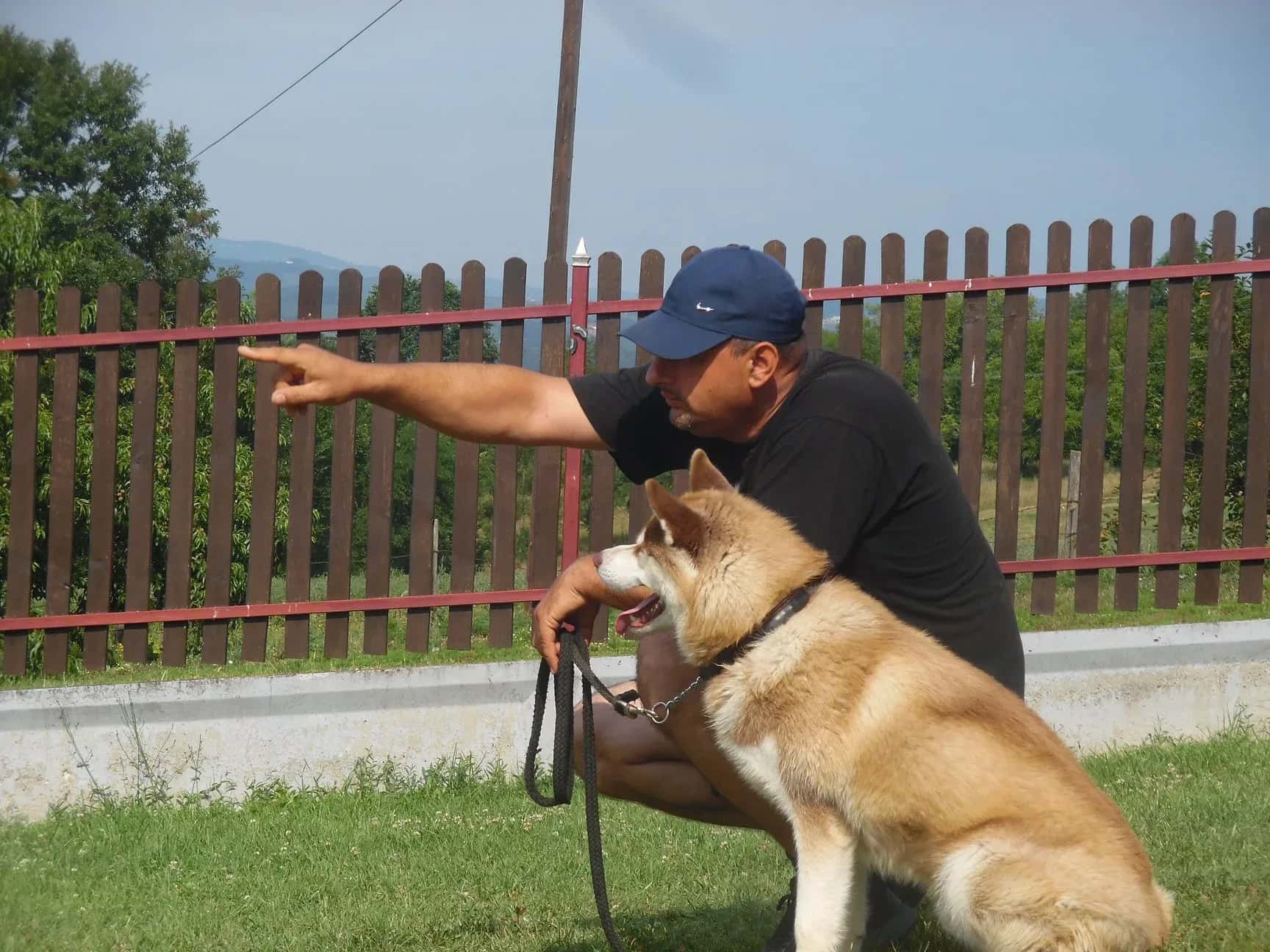
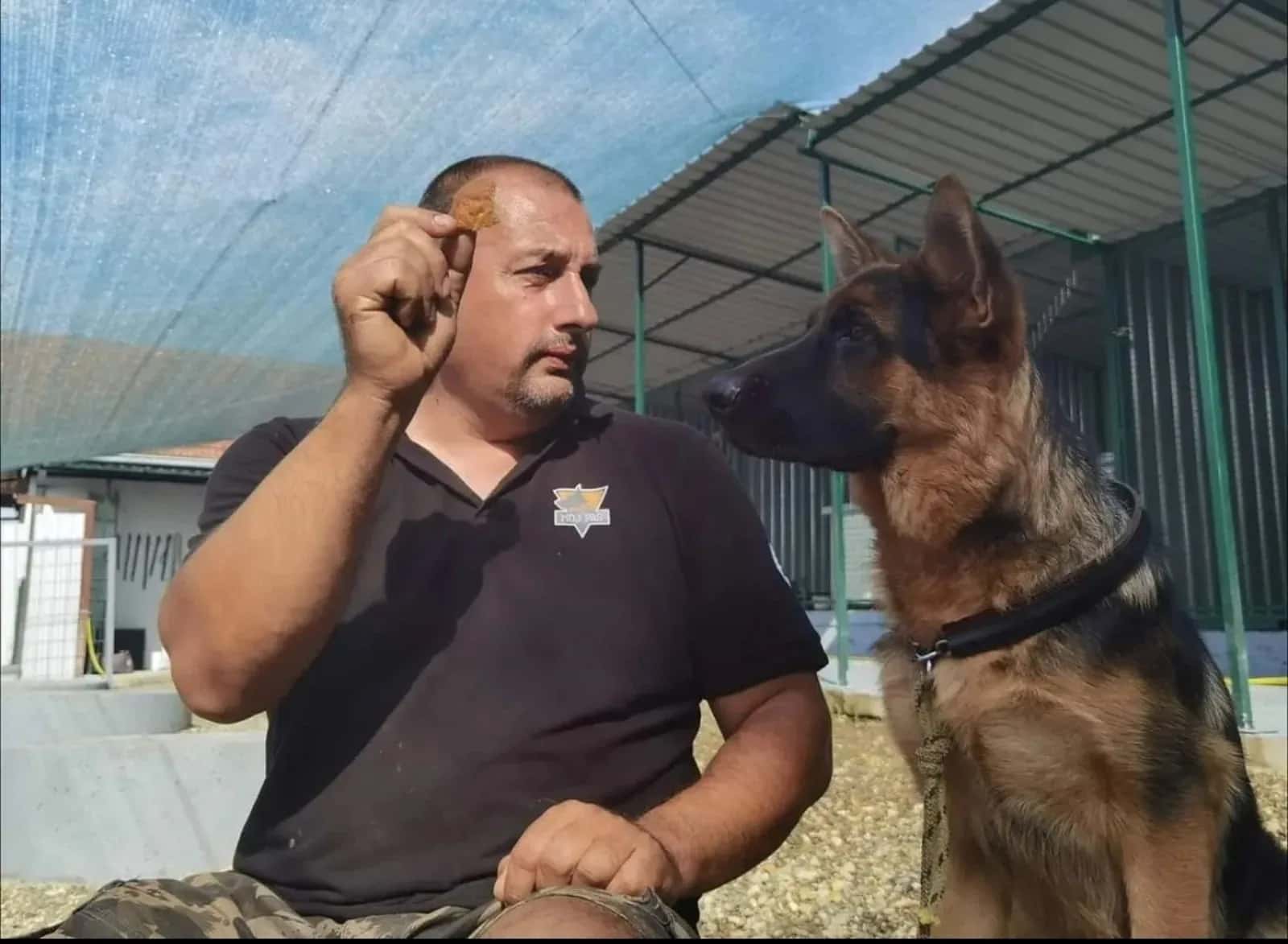
Children who learn to communicate with dogs and take part in their training develop a range of important life skills
At a time when phones, tablets and video games have become an everyday part of children's lives, many parents wonder how to encourage their children to spend more time in the real world. One of the most beautiful and most natural ways to do that is for a child to spend time with a dog. A dog is not just a pet; it can be a true teacher of life values. When a child
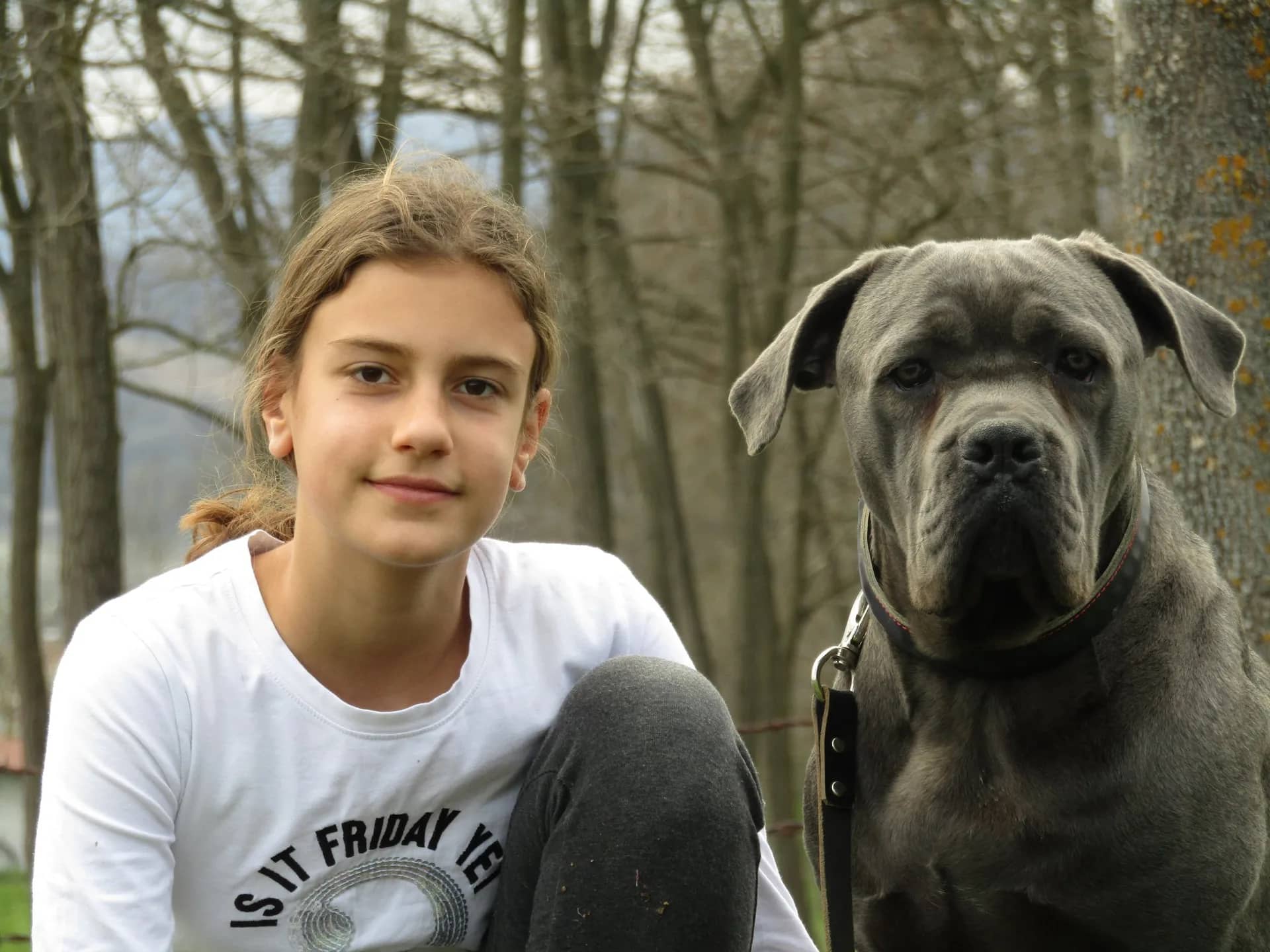
At a time when phones, tablets and video games have become an everyday part of children's lives, many parents wonder how to encourage their children to spend more time in the real world. One of the most beautiful and most natural ways to do that is for a child to spend time with a dog.
A dog is not just a pet; it can be a true teacher of life values. When a child spends time with a dog, it learns what responsibility means. A dog needs food, water, walks, play and attention, and through those daily duties the child realises that someone depends on it. That responsibility helps the child become more independent and more serious about its obligations.
Spending time with a dog also develops empathy. The child learns to recognise how the dog is feeling: whether it is happy, frightened, tired or wants to play. Through caring for an animal, the child begins to understand the emotions of others better, which later has a positive effect on relationships with people too.
A dog also helps a child develop self-confidence. When a child learns to communicate with a dog, gives commands and sees that the dog listens, it gains a sense of security and success. That feeling carries over into other areas of life: school, friendships with peers and everyday situations.
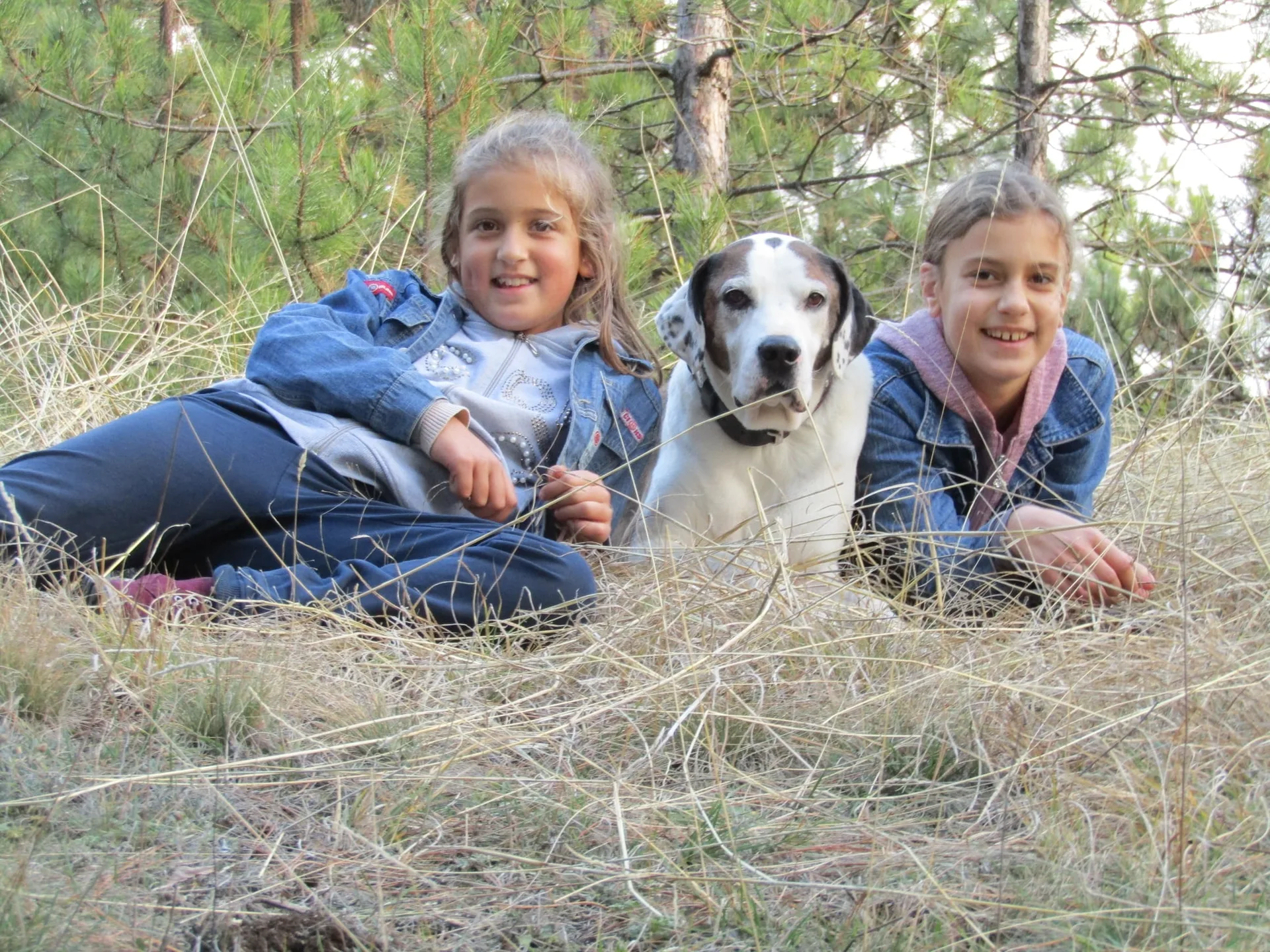
Another important thing is communication. A dog and a child develop a special way of understanding each other: through voice, movement, touch and energy. The child learns how to be patient, clear and calm in communication, which helps it in relationships with other people as well.
Walks together have a special value. Walking a dog encourages the child to go outside, spend time in nature and be physically active. Instead of time spent in front of a screen, the child runs, plays, explores its surroundings and develops healthy habits of movement.
In this way the dog becomes a bridge between the child and the real world. Through play, care and walks, the child learns important life values: responsibility, empathy, self-confidence and a healthy way of life. And the most beautiful part of all is that a special friendship forms between the child and the dog, one that often lasts a lifetime.
Comments
No comments yet. Be the first.