
Body Language and Dog Socialisation
When we talk about a dog's socialisation, we primarily mean the skills and behaviour patterns of our pet, both with people and
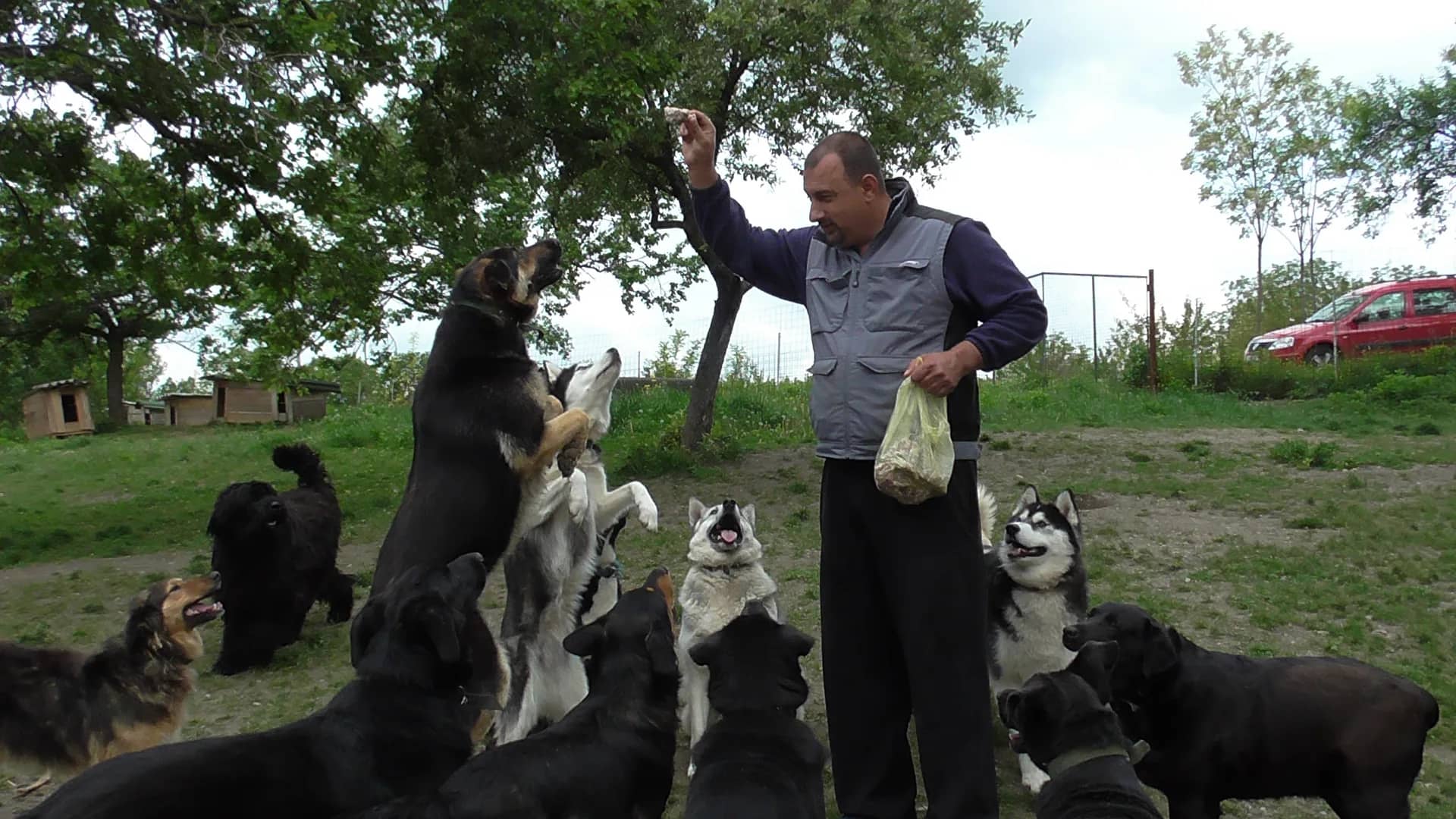
When we talk about a dog's socialisation, we primarily mean the skills and behaviour patterns of our pet, both with people and with other animals, first and foremost dogs. Socialisation is a process that begins at the earliest puppy age, and we should pay significant attention to it, because it determines whether we will have a dog capable of positive interaction with every member of the household the dog lives in, as well as with other people or dogs our dog will come into contact with throughout its life. But if we want a properly socialised dog, we too, as its educators, need to know how to 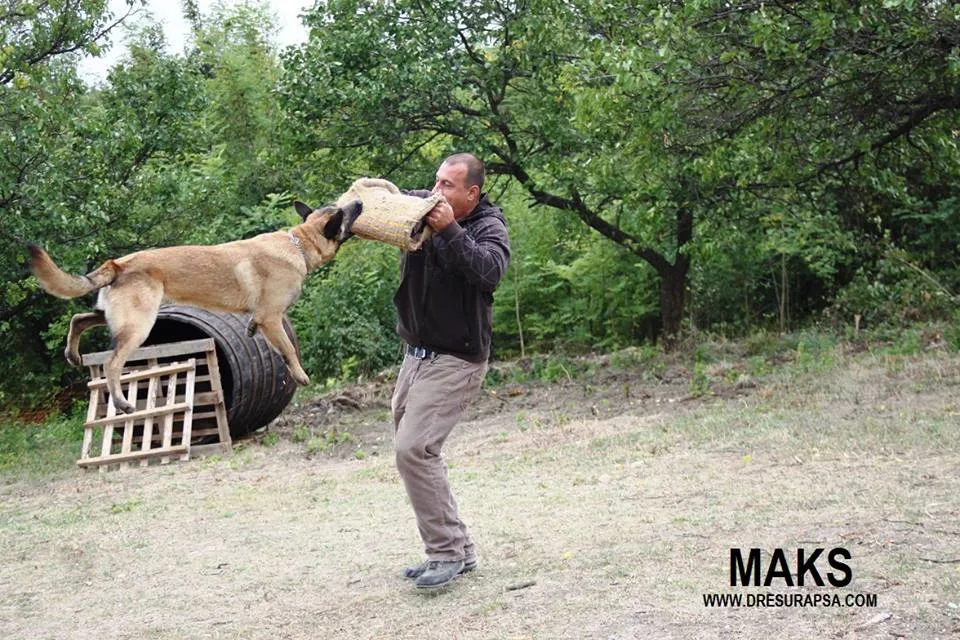 correctly recognise the wide range of emotions and feelings our dog shows us through its body language. Body language is the way dogs communicate with us, and with other animals, which is why it is very important that we are able to recognise and decode what the dog is telling us. The most common dog body postures we should be able to interpret are the following:
1. Ears back, head lowered, no eye contact
When you see a dog lowering its head, with its ears back and not maintaining eye contact with you, know that the dog is being submissive and wants to tell you that it is no threat to anyone.
2. Heavy breathing
If your dog is breathing heavily, know that it is stressed or anxious. If the dog often whines and moans, you can take it as a sign of some distress that is troubling it. When a dog is stressed, it sometimes pulls its ears back and stretches its neck.
3. Leaning forward
An aggressive dog will try to lean forward. Such a dog will stand with its ears fully erect. The hair on its back will be "raised", while the tail will be stiff.
4. Tail wagging
Wagging the tail, and sometimes the whole body, means the dog is confident and happy. A dog in this posture is very friendly.
5. High-pitched barking
When a dog is playful, it will bark in a high-pitched tone. When a dog is playful, its body will touch the ground while its rear end stays up in the air.
6. Pricked-up ears
When a dog raises its ears, it means it is trying to catch the surrounding sounds and sense who or what is approaching. In these situations its mouth is closed, its body will be still, and sometimes it will bark until exhausted to warn its owner of some danger.
7. Wide-open eyes
When a dog's eyes are wide open and its ears pricked up, it can be said that your pet is excited about something.
8. Fixed stare
A fixed stare represents a dominant attitude in a dog. Along with the fixed stare, a dominant dog has its mouth open and its ears raised.
9. Lowered tail and hunched body
A hunched body and a lowered tail represent submission. Submissive dogs also try to lower their neck towards the ground.
Socialisation should always be carried out on neutral ground. It is also important to know that males as a rule have stronger and more pronounced drives, and that when introducing them to other dogs the owner must be relaxed. If your dog is dominant by nature, the owner is the one who must restrain its drives with authority, using the firm command NO and a gentle backward tug on the lead if the dog is on a walk.
Comments
No comments yet. Be the first.